Introduction
The pineapple shortage has become a common concern for shoppers, restaurants, juice sellers, and grocery stores. Many people are asking the same questions: Why are pineapples more expensive? Why are some stores running out? And will the shortage continue?
The simple answer is this: pineapples have not disappeared completely, but supply is tighter than usual in many markets. Some stores may still have pineapples, while others may see higher prices, smaller fruit, or limited stock. This is why the issue is better understood as a pineapple supply squeeze rather than a total global shortage.
Several factors are working together. Bad weather in major growing regions, strong demand, higher farming costs, and pressure on fresh and processed pineapple supply are all affecting the market. For consumers, this can mean paying more for fresh pineapple or choosing alternatives like canned, frozen, or other tropical fruits.
In this article, we will explain the main reasons behind the pineapple shortage, how it affects prices, what it means for Hawaii and other regions, and what shoppers can do right now.
Is There Really a Pineapple Shortage?
Yes, there is a pineapple shortage in the sense that supply is tighter than normal in some areas. However, it does not mean every country or every store is completely out of pineapples.
The shortage is mostly showing up in these ways:
- Higher supermarket prices
- Fewer pineapples on shelves
- Smaller fruit sizes
- Inconsistent supply for restaurants and juice businesses
- More pressure on canned and processed pineapple products
The fresh pineapple market depends heavily on a few major producing countries. When one important region has weather problems or lower harvests, the impact can quickly spread to import markets.
Why Is There a Pineapple Shortage?
There is no single cause of the pineapple shortage. It is the result of several problems happening at the same time.
1. Weather Problems in Growing Regions
Pineapples need warm temperatures, steady rainfall, and healthy soil. When weather becomes too extreme, crops can suffer.
Heavy rain, unusual heat, cold spells, and disease pressure can reduce pineapple production. These issues can affect fruit size, quality, and total harvest volume. Even when farms still produce pineapples, there may not be enough high-quality fruit for export.
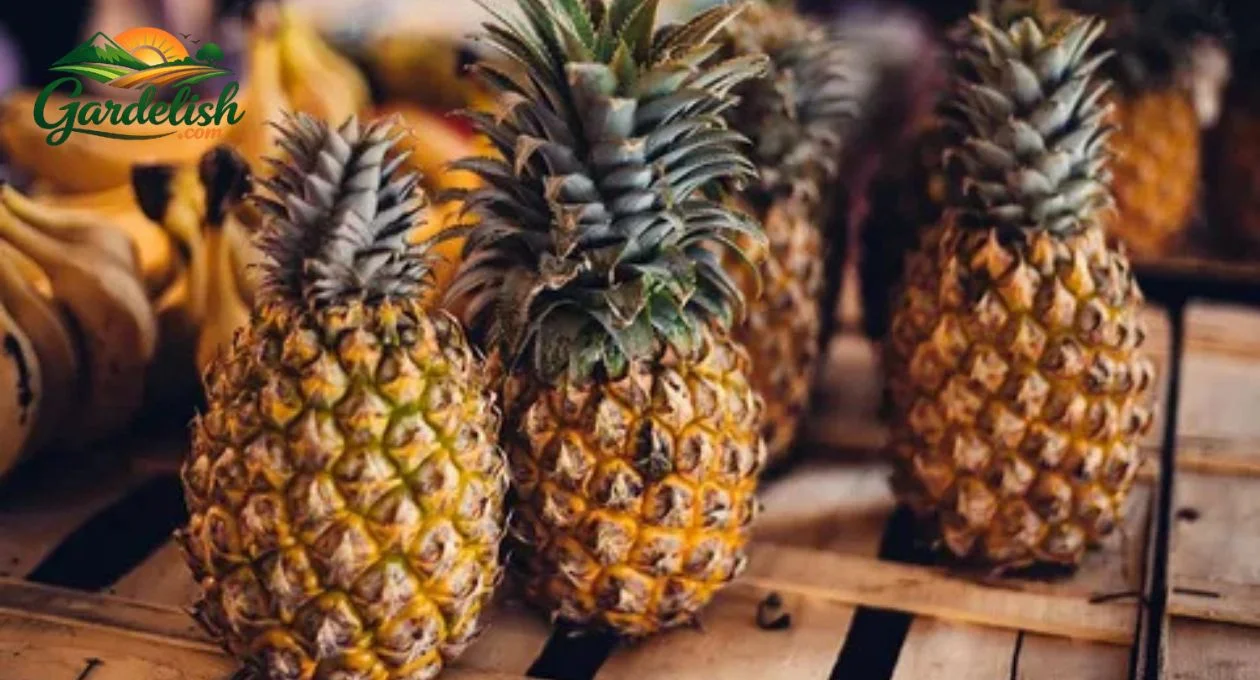
Costa Rica is especially important because it is one of the world’s leading pineapple exporters. When Costa Rican supply becomes tight, buyers in the United States, Europe, and other markets feel the pressure.
2. Strong Global Demand
Demand for pineapple has grown because consumers want more fresh fruit, smoothies, juices, fruit bowls, and healthy snacks. Pineapple is popular because it is sweet, versatile, and available in fresh, canned, frozen, dried, and juice forms.
This strong demand makes the shortage worse. When more people want pineapples but farms produce less than expected, prices rise.
Demand also comes from businesses such as:
- Restaurants
- Juice bars
- Smoothie shops
- Canned fruit companies
- Frozen fruit suppliers
- Food manufacturers
This means fresh pineapple buyers are not the only ones competing for supply.
3. Pressure From Processed Pineapple Demand
Many pineapples are used for canned pineapple, pineapple juice, dried pineapple, and frozen products. When fresh fruit supply becomes limited, processors may compete with fresh fruit exporters for available crops.
This can make the fresh pineapple shortage feel worse in supermarkets. It can also create temporary pressure on canned pineapple or pineapple juice prices.
A canned pineapple shortage is not always the same as a fresh pineapple shortage, but both markets are connected. If raw pineapple supply is weak, processed products can also become more expensive or less available.
4. Higher Farming and Shipping Costs
Pineapple farming requires labor, fertilizer, fuel, packaging, and transport. When these costs rise, the price of pineapples often rises too.
Shipping is also important because pineapples are usually transported long distances. Many countries rely on imported pineapples, so delays, fuel costs, and freight rates can affect final supermarket prices.
Even if farms produce enough fruit, logistics problems can still cause local shortages.
Why Costa Rica Matters in the Pineapple Shortage
Costa Rica plays a major role in the global pineapple market. Many countries, especially the United States, rely heavily on Costa Rican pineapples.
This creates a risk. When supply from Costa Rica is strong, shoppers usually enjoy steady availability. But when weather, disease, labor, or shipping issues reduce Costa Rican supply, the effect can be felt quickly.
This is one reason the pineapple shortage is not just about local grocery stores. It is connected to the global food supply chain.
A small disruption in a major exporting country can lead to:
- Higher wholesale prices
- Less fruit for importers
- Smaller fruit sizes
- More competition among buyers
- Higher prices for consumers
Why Is There a Pineapple Shortage in Hawaii?
Many people ask why Hawaii can face a pineapple shortage when the state is famous for pineapples.
The answer is that Hawaii is no longer the large-scale pineapple powerhouse it once was. Local pineapple production has declined over time because of high land costs, labor costs, and changes in agriculture. Today, many pineapples sold in Hawaii may still depend on broader supply chains.
That means Hawaii can be affected by both local and global supply issues. If local harvests are lower or imported fruit becomes harder to get, shoppers and businesses may notice shortages more quickly.
Restaurants, hotels, and juice businesses in Hawaii can also create strong demand, especially during busy tourism seasons.
How the Pineapple Shortage Affects Prices
One of the clearest signs of a pineapple shortage is a price increase.
Consumers may notice:
- Higher prices per pineapple
- Fewer sale discounts
- Smaller pineapples at the same price
- Higher prices for fresh-cut pineapple
- More expensive pineapple juice or canned pineapple
Businesses may face even more pressure. Restaurants, bakeries, juice shops, and catering companies often buy pineapples in larger quantities. If prices rise, they may need to adjust menus, raise prices, or switch to alternatives.
Practical Tips for Consumers
If pineapple prices are high in your area, you still have options.
Smart ways to deal with the pineapple shortage
- Compare prices at different grocery stores
- Buy frozen pineapple for smoothies
- Use canned pineapple for cooking or baking
- Choose seasonal fruits when pineapple is too expensive
- Buy whole pineapple instead of pre-cut pineapple
- Look for store-brand canned or frozen options
- Avoid panic buying, which can make local shortages worse
Whole pineapple is often cheaper than pre-cut pineapple because you are not paying for extra labor and packaging.
Tips for Restaurants and Small Food Businesses
The pineapple shortage can be harder for businesses than for regular shoppers. If your menu depends on pineapple, planning ahead is important.
Useful business steps
- Talk to suppliers early about availability
- Use frozen pineapple as a backup
- Create flexible menu items
- Offer seasonal fruit alternatives
- Watch price changes weekly
- Avoid depending on one supplier only
- Consider temporary menu pricing if costs rise
For juice bars and smoothie shops, frozen pineapple can be a practical substitute because it keeps longer and reduces waste.
Will the Pineapple Shortage Continue?
The pineapple shortage may continue in some markets if weather problems, high demand, and shipping costs remain difficult. However, supply can also improve when harvest conditions recover.
Pineapple production takes time. Farmers cannot fix a poor crop overnight. If weather damages crops or delays planting, the effect may last for months.
The future outlook depends on:
- Weather in Costa Rica and other growing regions
- Disease pressure on crops
- Global demand for fresh and processed pineapple
- Shipping and fuel costs
- Labor availability
- Import demand from major markets
In the short term, shoppers should expect some price changes and supply differences from store to store. In the long term, better farming practices, improved logistics, and more diversified sourcing may help reduce future shortages.
FAQ About the Pineapple Shortage
1. Is there a pineapple shortage right now?
Yes, some markets are seeing tighter pineapple supply, higher prices, or limited availability. It is not a complete global shortage, but many buyers are facing supply pressure.
2. Why is there a pineapple shortage?
The pineapple shortage is mainly caused by weather problems in growing regions, strong global demand, higher production costs, and shipping challenges. Costa Rica’s supply issues are especially important because it is a major pineapple exporter.
3. Why are pineapples so expensive?
Pineapples are more expensive because supply is tight while demand remains strong. Higher farming, labor, fuel, and transport costs can also increase retail prices.
4. Is there a canned pineapple shortage?
There may be temporary shortages or higher prices in some areas, but canned pineapple does not always follow the fresh pineapple market exactly. Still, both depend on raw pineapple supply, so pressure in one market can affect the other.
5. What can I use instead of fresh pineapple?
Good alternatives include frozen pineapple, canned pineapple, mango, papaya, oranges, peaches, or fruit blends. For smoothies, frozen pineapple is often the closest substitute.
Conclusion
The pineapple shortage is not about pineapples disappearing everywhere. It is mainly a supply squeeze caused by weather problems, strong demand, higher costs, and pressure on major exporting regions like Costa Rica.
For shoppers, the biggest effects are higher prices, smaller fruit, and occasional limited availability. For businesses, the shortage can create menu and supply planning challenges.
The best approach is to stay flexible. Compare prices, consider frozen or canned pineapple, and use other fruits when fresh pineapple becomes too expensive. Supply may improve over time, but short-term price changes and regional shortages may continue.
Can Sheep Eat Strawberries? Safe Feeding Guide for Sheep Owners