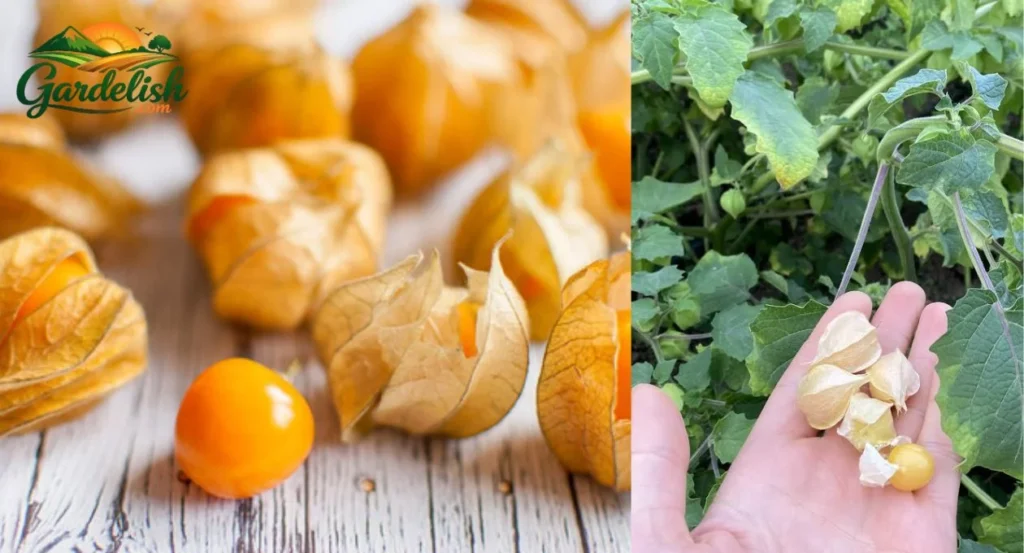
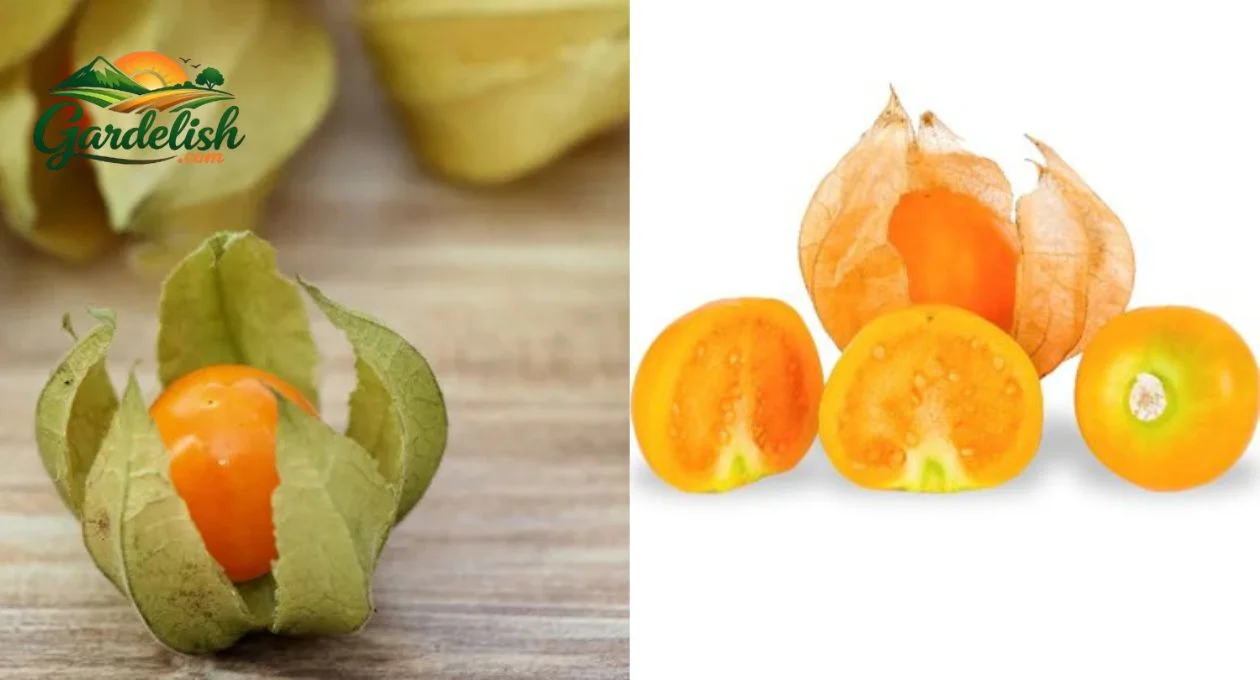
Ground cherries are one of the garden’s best-kept secrets. These small golden fruits grow inside papery husks and have a sweet, tropical flavor often compared to pineapple, vanilla, and tomato.
Despite their name, ground cherries are not true cherries and do not grow on trees. They belong to the Physalis genus, which also includes tomatillos. The plants are productive and suitable for garden beds, raised beds, and large containers.
This guide explains how to grow, harvest, store, and use ground cherries successfully.
What Are Ground Cherries?
Ground cherries are warm-season plants in the nightshade family. Most garden varieties produce marble-sized fruits that turn yellow or golden orange when ripe. Each fruit develops inside a thin husk.
The name comes from the way they are harvested. Ripe fruits usually drop naturally, so gardeners collect them from the ground.
Ground cherries are sometimes confused with tomatillos. Both have papery husks, but ground cherries are smaller, sweeter, and commonly eaten raw. Tomatillos are larger, more tart, and usually used in sauces.
What Do Ground Cherries Taste Like?
A fully ripe ground cherry is sweet, slightly tart, and fruity. Depending on the variety, its flavor may suggest pineapple, mango, strawberry, vanilla, or tomato.
Do not eat unripe green fruit. Wait until the fruit has developed its mature golden color and the husk is dry and papery.
How to Grow Ground Cherries
Ground cherries are generally easy to grow, but they need warmth, sunlight, and enough time to ripen. Their basic care is similar to tomato care.
Choose a Sunny Location
Plant ground cherries where they will receive at least six to eight hours of direct sunlight daily. Choose a site with well-drained soil, good airflow, and room for the branches to spread.
The plants may stay fairly low, but they can spread two feet or more. Avoid crowding them between taller crops that block sunlight.
Prepare the Soil
Ground cherries prefer fertile, well-drained soil that is slightly acidic to neutral. Mix compost into the soil before planting.
Avoid too much high-nitrogen fertilizer. Excess nitrogen can create leafy growth with fewer flowers and fruits. A soil test is the best way to learn whether fertilizer or a pH adjustment is needed.
Start Seeds Indoors
In areas with a short growing season, start seeds indoors six to eight weeks before the expected last frost.
- Sow seeds about ¼ inch deep in moist seed-starting mix.
- Keep the mix warm and lightly moist.
- Place seedlings under a strong grow light after they emerge.
- Harden them off gradually before moving them outdoors.
Ground cherry seeds may germinate slowly, so keep conditions consistent.
Transplant After Frost
Move seedlings outdoors only after frost danger has passed and the soil has warmed. Space plants about 18 to 24 inches apart. Wider spacing improves airflow and makes harvesting easier.
Plant seedlings at the same depth they were growing in their pots, then water thoroughly.
Watering and Caring for Ground Cherries
Water Consistently
Water deeply when the upper layer of soil begins to dry. Aim for evenly moist soil rather than constantly wet soil.
Irregular watering can stress plants, while waterlogged soil may damage roots. Water near the base instead of wetting the leaves whenever possible.
Add two to three inches of clean straw or organic mulch to:
- Hold moisture
- Reduce weeds
- Keep fallen fruit clean
- Limit soil splash
Keep mulch slightly away from the main stem.
Add Support if Needed
Ground cherries do not always need support, but a tomato cage can keep spreading branches off the soil. It also improves airflow and makes fruit easier to find.
Heavy pruning is unnecessary. Remove only damaged, diseased, or badly crowded growth.
Common Problems and Solutions
Ground cherries are usually dependable, but they may attract pests that also feed on tomatoes.
Watch for:
- Flea beetles: Tiny holes across the leaves
- Aphids: Small insects clustered on tender growth
- Hornworms: Large caterpillars that eat foliage
- Poor fruiting: Often caused by low light, cold weather, or too much nitrogen
- Root trouble: Common in compacted or poorly drained soil
Inspect plants regularly, including leaf undersides. Hand-pick larger pests and remove badly damaged material. Start with the least disruptive control method and avoid unnecessary pesticide use while plants are flowering.
Rotating nightshade crops to a different bed each year may reduce recurring problems.
When to Harvest Ground Cherries
Ground cherries are ready when the husks become tan and papery and the fruits fall from the plant. Check beneath the branches every day or two once ripening begins.
A fallen fruit is not always fully ripe. Open the husk and check the color. A ripe ground cherry should be yellow to golden orange. Pale fruit can remain inside its husk at room temperature for a few days.
Discard fruits that are moldy, badly split, insect-damaged, or still bitter.
How to Store Ground Cherries
Keep dry, undamaged fruit inside the husks in a cool, well-ventilated place. Do not wash ground cherries until you are ready to use them.
Check stored fruit regularly and remove anything that starts to spoil. For longer storage, freeze, dry, or preserve the fruit as jam or sauce.
How to Use Ground Cherries
Ripe ground cherries can be eaten fresh or used in:
- Fruit and green salads
- Salsa and chutney
- Pies, crisps, and cobblers
- Jam and preserves
- Muffins and quick breads
- Yogurt, oatmeal, or cereal
- Savory sauces
Remove the husks and wash the fruit before eating.
Ground Cherry Safety
Eat only fully ripe fruit from a correctly identified edible variety. Do not eat the leaves, stems, flowers, or unripe green fruits because these parts can contain toxic compounds.
Gardeners with young children or pets should collect fallen fruit regularly and prevent access to immature fruit and plant material.
Frequently Asked Questions
Are ground cherries easy to grow?
Yes. They are beginner-friendly when provided with full sun, warm weather, well-drained soil, and regular watering.
Can ground cherries grow in containers?
Yes. Use a large pot with drainage holes and quality potting mix. Place it in full sun, water consistently, and add a cage if the plant spreads.
How long do ground cherries take to produce fruit?
Timing depends on the variety and local conditions. Many plants begin ripening fruit in late summer after being started indoors in early spring. Check the seed packet for expected maturity.
Do ground cherries come back every year?
They are usually grown as annuals where winters freeze. However, fallen fruit may leave seeds behind, and volunteer seedlings can appear the next season.
Why are my ground cherries not producing fruit?
Common causes include too little sunlight, cool temperatures, excessive nitrogen, drought stress, overcrowding, or late planting.
Conclusion
Ground cherries offer sweet flavor and a generous harvest without complicated care. Give them full sun, well-drained soil, steady moisture, and space to spread. Once the husks turn papery and the fruits begin falling, collect them often and enjoy them fresh, baked, or preserved.
Date Shortage: Why Supply Is Tight, Prices Rise, and What Buyers Can Do