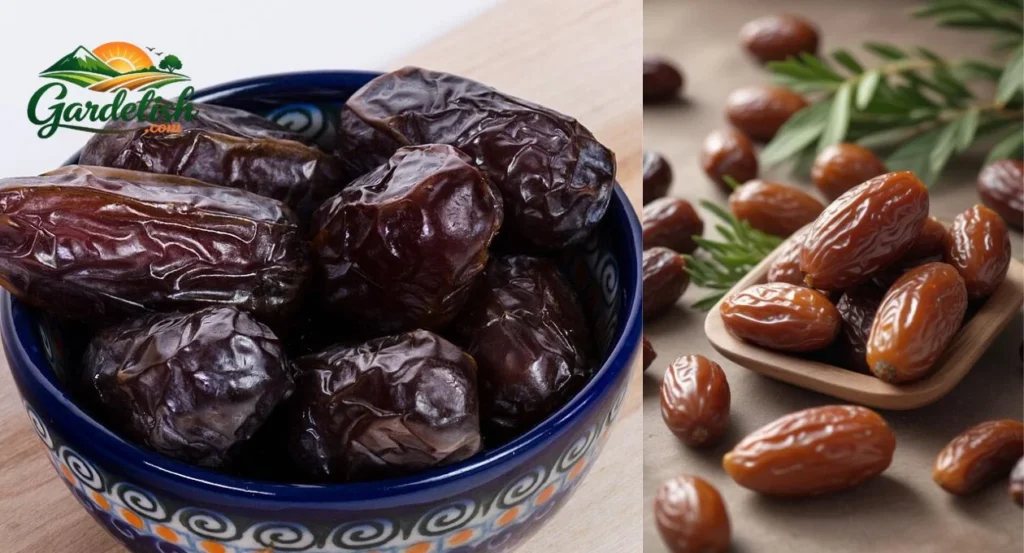
A date shortage becomes noticeable when shoppers find higher prices, fewer varieties, or empty shelves before busy seasons such as Ramadan. Dates depend on healthy palms, reliable water, storage, transport, and trade.
However, a date shortage does not always mean the world has run out of dates. It may affect one country, variety, quality grade, or retail market. Premium Medjool dates, for example, may become scarce while other varieties remain available.
Here is what causes date supply problems, how they affect prices, and what consumers and businesses can do.
What Is a Date Shortage?
A date shortage happens when the available supply of date fruit cannot meet buyer demand. It may be local, seasonal, or widespread.
Common signs include:
- Higher retail prices
- Popular varieties selling out
- Smaller or delayed shipments
- Fewer discounts and bulk offers
- Lower-grade fruit replacing premium stock
- Longer delivery times
The severity of a shortage depends on the harvest, location, variety, season, and reliability of the supply chain.
Is There Really a Global Date Shortage?
The global market is often better described as tight rather than completely short of dates. Recent industry reporting suggests that demand is growing faster than supply in some markets. Date palms also take years to become fully productive.
Conditions still vary by region. A strong harvest in one country may improve supply, while weather damage, pests, or shipping delays elsewhere can create a local date shortage.
A missing brand or expensive box of dates is therefore not proof of a worldwide crisis. It may reflect seasonal demand, import costs, a weak regional crop, or limited premium-grade stock.
Main Causes of a Date Shortage
Extreme Weather
Date palms grow in hot climates, but successful fruit production still depends on suitable conditions during pollination, development, and harvest.
Supply can fall because of:
- Extreme heat
- Unexpected rain during ripening
- Flooding
- Strong winds
- Drought
Damaged fruit may also fail to meet export or premium retail standards.
Water Scarcity
Commercial date farms in dry regions rely heavily on irrigation. Falling groundwater levels, expensive water, drought, or water restrictions can make it difficult to maintain healthy palms.
Poor-quality irrigation water may also increase soil salinity. Over time, this can weaken trees, reduce yields, and increase production costs.
Pests and Diseases
The red palm weevil is a major threat to date palms. Its larvae damage trees from the inside, making early infestations difficult to detect. Untreated palms can eventually die.
Outbreaks also increase spending on inspections, treatment, tree removal, and replanting.
Slow Expansion of Production
Date palms are a long-term crop. New trees take several years to produce commercial quantities and longer to reach full production.
This delay prevents growers from responding quickly when global demand increases.
Shipping and Trade Problems
Dates often move from farms to packing centers, ports, warehouses, and retailers in different countries. Disruption at any stage can reduce local supply.
Possible problems include:
- Port congestion
- Higher freight costs
- Border restrictions
- Packaging shortages
- Warehouse delays
- Political instability along trade routes
These issues can create a date shortage in importing countries even when enough fruit has been harvested.
Seasonal Demand During Ramadan
Demand for dates rises sharply before and during Ramadan. Households, retailers, restaurants, mosques, charities, and wholesalers often buy within the same period.
When this demand spike occurs alongside a weak harvest or transport delay, a shortage can develop quickly. Popular and premium varieties usually sell out first.
How a Date Shortage Affects Prices
Limited supply gives buyers fewer choices and often pushes sourcing costs higher. Retailers may respond through:
- Higher shelf prices
- Smaller packages
- Fewer promotions
- Cheaper varieties replacing premium fruit
- Limits on large orders
Medjool, organic, large-size, gift-packed, and specialty imported dates may experience the strongest price increases.
Food businesses may need to change suppliers, adjust recipes, or use a different variety.
Higher prices do not always benefit farmers. If a grower loses a large part of the crop, the remaining harvest may not cover the loss or the rising costs of water, labor, pest control, packaging, and transport.
Practical Tips for Consumers
Buy Before Peak Demand
Purchase dates before the busiest weeks, particularly for Ramadan, events, or gift orders.
Avoid panic buying. Purchasing more than you can use increases waste and can make a temporary local shortage worse.
Compare Different Varieties
Medjool dates are not the only choice. Depending on your market, Deglet Noor, Ajwa, Khudri, Sukkari, Zahidi, or locally grown varieties may provide better value.
For baking, smoothies, sauces, and energy snacks, appearance is often less important than texture and sweetness.
Check the Unit Price
Compare the price per kilogram or pound rather than looking only at the package price.
Gift boxes, premium grading, fruit size, country of origin, and organic certification can add significantly to the final cost.
Store Dates Properly
Keep dates in a sealed container and protect them from heat and moisture. Refrigeration helps preserve freshness, while freezing is useful for longer storage.
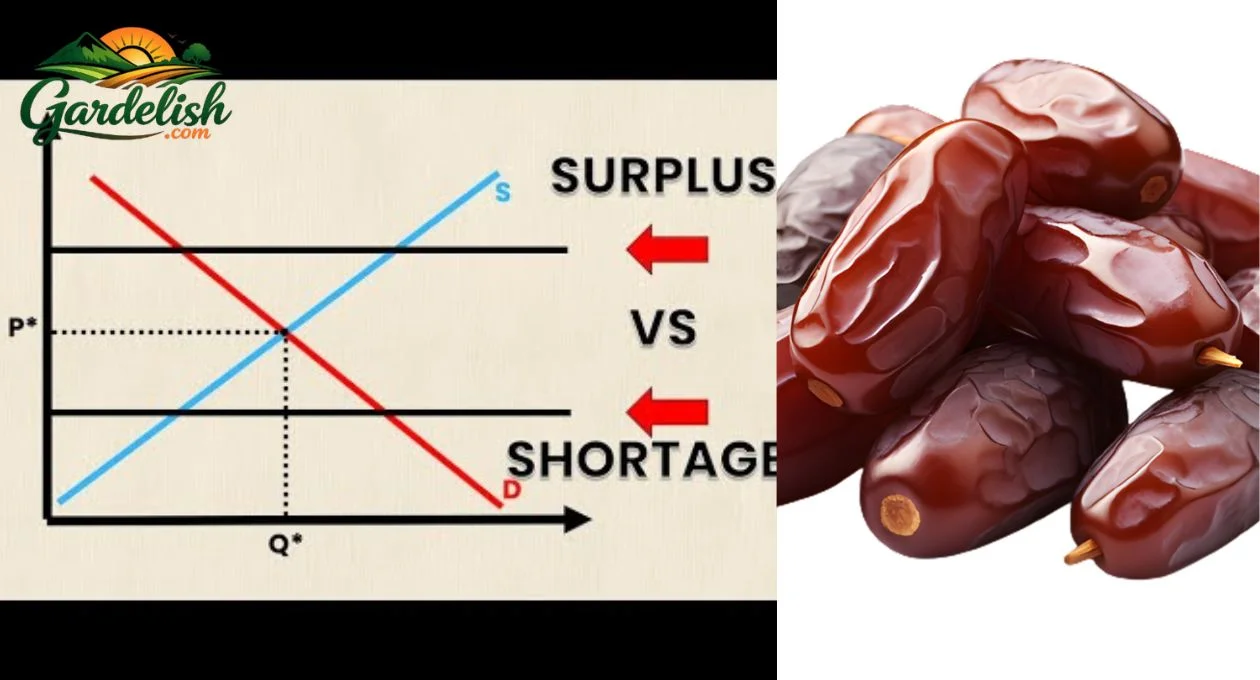
Correct storage reduces food waste and prevents repeat purchases when prices are at their highest.
Use Alternatives When Necessary
For some recipes, dates can be replaced with:
- Raisins
- Dried figs
- Prunes
- Dried apricots
- Lower-cost date paste
- Honey or another suitable sweetener
For recipes that require a sticky texture, prunes, figs, or date paste are usually more suitable than liquid sweeteners.
How Farmers and Suppliers Can Reduce Shortage Risk
A more reliable date supply requires improvements from the farm to the retailer.
Useful measures include:
- Efficient drip irrigation
- Regular soil and water monitoring
- Early pest detection
- Better pollination and crop management
- Improved sorting, storage, and packaging
- Reduced post-harvest waste
- More accurate demand forecasting
- Multiple suppliers and transport routes
Importers and food businesses should avoid relying on one farm, country, or variety. A broader supplier network provides more options when one region experiences a poor season.
Frequently Asked Questions
Why is there a date shortage?
A shortage may result from extreme weather, water scarcity, pests, slow plantation growth, shipping delays, or rising seasonal demand. The main cause varies by location and market.
Does a date shortage increase prices?
Usually, yes. Lower availability and higher sourcing, transport, or storage costs often result in more expensive retail prices.
Are Medjool dates more likely to become expensive?
Premium Medjool dates may face stronger price pressure because buyers expect a specific size, texture, and quality. Other varieties may remain available at lower prices.
Which countries produce the most dates?
Major producers include Egypt, Saudi Arabia, Iran, Algeria, Iraq, and Pakistan. Because production is concentrated in a limited number of regions, serious disruption in these areas can affect international supply.
How long can dates be stored?
Storage life depends on the variety, moisture level, packaging, and temperature. Sealed refrigeration generally extends freshness, while freezing allows longer storage but may slightly change the texture.
Conclusion
A date shortage is usually caused by several connected pressures, including weather, water scarcity, pests, slow-growing plantations, transport problems, and seasonal demand.
Consumers can manage higher prices by purchasing early, comparing varieties, checking unit prices, and storing dates correctly. Farmers and suppliers can improve reliability through better irrigation, pest monitoring, storage, planning, and supplier diversification.
Most importantly, buyers should distinguish between a broad shortage and a temporary local problem affecting one variety or market.
Wild Lettuce Look Alikes: How to Identify Similar Plants Safely