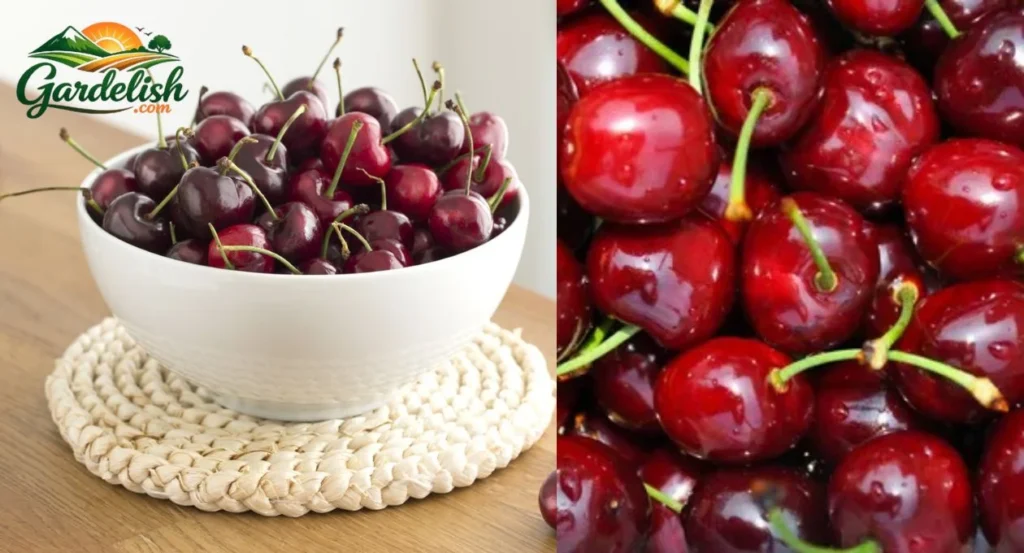
Cherries are expensive because they are difficult to grow, highly seasonal, fragile to harvest, costly to transport, and vulnerable to weather, pests, and disease. Unlike apples or pears, cherries do not store for months after harvest. They have a short picking window, bruise easily, and often require careful hand-harvesting, which raises the final price shoppers see at the market.
For gardeners, the high price of cherries makes more sense once you understand the plant behind the fruit. Sweet cherries, botanically known as Prunus avium, and sour cherries, Prunus cerasus, are beautiful orchard trees, but they are not the easiest fruit crops to manage. They need the right winter chill, spring weather, drainage, pruning, pollination, and pest protection to produce a reliable crop.
Why Are Cherries So Expensive? The Simple Answer
The main reason cherries cost more than many fruits is that every stage of production is risky and labor-intensive. A cherry crop can be damaged by late frost during bloom, heavy rain near harvest, birds, brown rot, cherry fruit fly, or poor pollination. Even when the crop is good, ripe cherries must be picked quickly and handled gently.
Cherries also have a shorter marketing season than many grocery fruits. They arrive in abundance for a few weeks, then disappear or become imported and more costly. That short season creates high demand, especially for firm, sweet, dark-red dessert cherries.
In simple terms: cherries are expensive because they are precious, perishable, and not especially forgiving to grow.
A Short Cherry Season Creates High Demand
Most fresh cherries are a seasonal fruit. In many temperate regions, they ripen from late spring into midsummer, depending on the variety and climate. Gardeners know this rhythm well: one week the tree is blushing with color, and not long after, the best fruit is either picked, eaten by birds, or beginning to soften.
This narrow harvest window affects price. Fruits like apples can be stored in controlled conditions for months, but cherries have a short post-harvest life. They need to move quickly from orchard to packing house, then to refrigerated transport, then to the store.
That speed costs money. Cold storage, careful packing, and fast distribution all add to the price. When supply is limited and demand is high, especially early in the season, cherries naturally become a premium fruit.
For a gardening site, this topic could naturally connect to internal articles on seasonal planting guides, fruit tree harvest timing, and how to plan a backyard orchard.
Cherry Trees Need the Right Climate, Chill Hours, and Soil
Cherry trees are not suited to every garden or every climate. Most traditional sweet cherries grow best in USDA hardiness zones 5 to 8, while many sour cherries tolerate colder conditions, often performing well in zones 4 to 7. Local climate matters more than the zone number alone.
Cherries need winter chill, which means a period of cold weather that helps the tree break dormancy properly in spring. Without enough chill hours, flowering can be weak or uneven. But too much late cold at the wrong time can be just as damaging. A hard frost during bloom may ruin much of the crop before fruit even begins to form.
Soil is another major factor. Cherry trees dislike heavy, waterlogged clay. They prefer deep, well-drained loam with good organic matter and a slightly acidic to neutral pH. Poor drainage can encourage root diseases and weaken the tree over time.
This is why gardeners often improve the planting site before putting in a cherry tree. Compost, mulch, raised planting areas, and thoughtful drainage can make a real difference. A related internal link to soil improvement or composting would fit naturally here.
Cherries Are Labor-Intensive From Pruning to Picking
A productive cherry tree needs regular care. Pruning is especially important because cherries need good air circulation and light penetration through the canopy. A crowded tree is more prone to fungal disease, and fruit inside a dense canopy may ripen unevenly.
Commercial orchards often manage tree height, branch structure, and fruiting wood carefully so pickers can harvest efficiently. Home gardeners do something similar on a smaller scale by removing dead, crossing, or crowded branches and training young trees into a strong open shape.
Harvesting is another major reason cherries are expensive. Fresh-market cherries are usually picked by hand because they bruise easily. The stem is often kept attached to help the fruit stay fresher. That careful picking takes time, skill, and labor.
A peach or apple can tolerate a bit more handling. Cherries cannot. One rough harvest, one hot afternoon, or one delay in cooling can reduce quality quickly.
Weather, Pests, and Diseases Can Quickly Reduce a Crop
Cherry growers watch the weather closely because the crop is sensitive at nearly every stage. Spring frost can damage blossoms. Heavy rain near harvest may cause fruit cracking. High humidity can encourage fungal diseases. Heat stress can shorten fruit quality.
Birds are one of the most familiar cherry problems for home gardeners. Robins, starlings, and other fruit-loving birds often know exactly when cherries are ripe. Netting is one of the most effective protections, though it must be installed carefully so birds do not become trapped.
Common cherry pests and diseases include aphids, cherry fruit fly, bacterial canker, cherry leaf spot, and brown rot. Organic gardeners often focus on prevention: pruning for airflow, cleaning up fallen fruit and leaves, using mulch wisely, encouraging beneficial insects, and choosing disease-resistant varieties where available.
This is where companion planting can support overall garden health. While companion plants will not magically protect a cherry tree, flowering herbs and native perennials nearby can attract pollinators and beneficial insects. Good orchard hygiene still matters most.
Can Gardeners Grow Cherries at Home to Save Money?
Yes, gardeners can grow cherries at home, but it is best to think of them as a long-term fruit tree investment rather than a quick way to reduce grocery bills. A young cherry tree usually takes a few years to settle in and produce a meaningful harvest.
Homegrown cherries can be deeply rewarding. The flavor of a sun-warmed cherry picked at full ripeness is hard to compare with store-bought fruit. But gardeners should be realistic. Cherry trees need space, pruning, watering during dry spells, protection from birds, and sometimes a compatible pollination partner.
Container gardening is possible with dwarf cherries, especially on compact rootstocks, but containers require more careful watering and feeding. A large pot, high-quality potting mix, slow-release organic fertilizer, and consistent moisture are essential. Containers also expose roots to more temperature stress, so winter protection may be needed in colder climates.
Choosing the Right Cherry Tree for Your Garden
Choosing the right variety is one of the most important decisions. Sweet cherries are usually best for fresh eating, while sour or tart cherries are excellent for pies, preserves, drying, and cooking. Sour cherries are often easier for beginners because many are self-fertile and more cold-hardy.
Many sweet cherries need another compatible cherry variety nearby for cross-pollination. Bees move pollen between blossoms, so flowering times must overlap. Some sweet cherry cultivars, such as ‘Stella’ and ‘Lapins’, are known for being self-fertile, which can help gardeners with limited space.
Before buying a tree, check your climate, chill requirements, mature size, pollination needs, and disease resistance. A local nursery or cooperative extension-style growing guide can be more useful than a generic plant tag because cherry performance varies greatly by region.
How to Care for Cherry Trees for Better Harvests
Cherry tree care begins at planting. Choose a sunny site with at least six hours of direct light, good drainage, and enough room for airflow. Avoid low frost pockets where cold air settles in spring.
Water young trees deeply during dry periods, especially in the first few years. Mulch with wood chips, shredded bark, straw, or composted leaves, keeping mulch a few inches away from the trunk to prevent rot. Mulching helps regulate soil moisture and suppress weeds.
Use fertilizer carefully. Too much nitrogen can encourage leafy growth at the expense of fruiting and may make soft growth more attractive to pests. A balanced organic fertilizer or compost is often enough in decent garden soil, but a soil test is the best guide.
Prune during the appropriate season for your climate and tree type. Remove damaged wood, improve airflow, and keep the canopy manageable. For disease prevention, clean tools between cuts when working on suspicious branches.
Are Expensive Cherries Worth Buying?
Cherries are often worth buying when they are in season, firm, glossy, and locally available. The best value usually comes during peak harvest, when supply is strongest and flavor is at its best.
From a gardener’s point of view, cherries are expensive because they represent a lot of work in a small fruit. Each handful reflects months of pruning, pollination, irrigation, pest management, careful picking, cooling, and transport.
If you have the climate and space, growing a cherry tree can be a satisfying way to enjoy fresher fruit and understand why cherries command a premium price. Even one productive dwarf or semi-dwarf tree can make the season feel special.
FAQs
Why Are Cherries So Expensive Compared With Other Fruits?
Cherries are more expensive than many fruits because they have a short harvest season, bruise easily, require careful hand-picking, and are highly vulnerable to weather damage, pests, and disease.
Are Cherries Hard to Grow at Home?
Cherries can be challenging to grow, especially sweet cherries. They need full sun, well-drained soil, winter chill, regular pruning, pest protection, and often a compatible pollination partner.
What Is the Easiest Cherry Tree for Beginners?
Sour cherries are often easier for beginners because many varieties are self-fertile, cold-hardy, and useful for pies, preserves, sauces, and cooking.
Do Cherry Trees Need Another Tree to Produce Fruit?
Many sweet cherry trees need a second compatible cherry variety for cross-pollination. Some cultivars are self-fertile, while many sour cherry varieties can produce fruit on their own.
Can Cherries Be Grown in Containers?
Yes, dwarf cherry trees can grow in large containers, but they need consistent watering, good drainage, regular feeding, full sun, and winter root protection in cold climates.
Conclusion
So, why are cherries so expensive? The answer lies in their short season, delicate fruit, demanding growing conditions, labor-heavy harvest, and vulnerability to weather and pests. For gardeners, cherries are a reminder that premium fruit often comes from careful plant care, good soil, proper pruning, pollination, and patience. Whether you buy them in season or grow a tree at home, cherries are one of the clearest examples of how horticulture shapes the price and quality of the food we enjoy.
Can Chickens Have Blackberries? A Complete Guide for Backyard Flocks