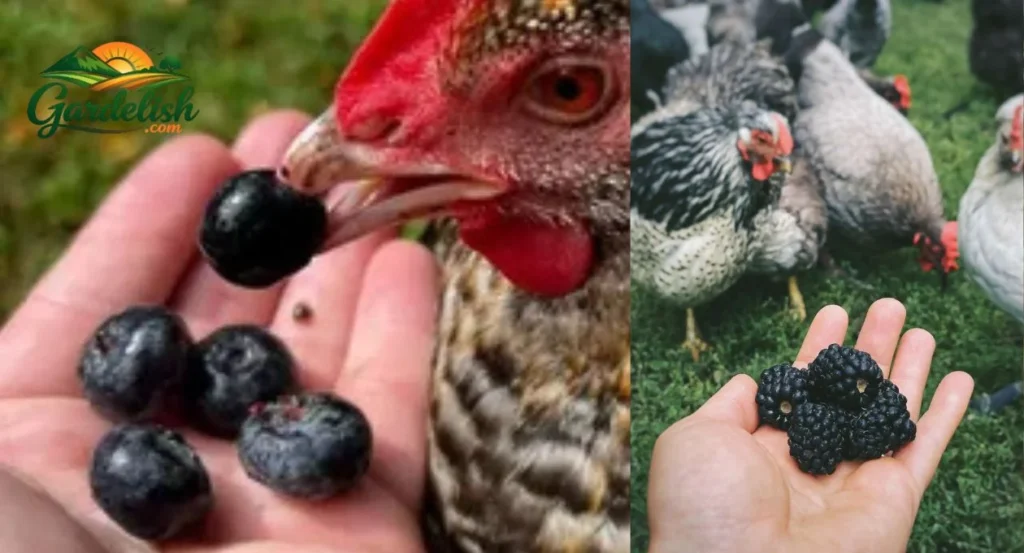
If you keep backyard chickens, you have probably watched them peck at almost anything that looks colorful, juicy, or interesting. So, when blackberry season arrives, it is natural to ask: Can chickens have blackberries?
The good news is yes, chickens can have blackberries. These sweet, soft berries can be a healthy and fun treat for your flock when served the right way. Blackberries contain water, fiber, vitamins, and natural antioxidants, making them a tasty snack chickens often enjoy.
However, like all treats, blackberries should not replace a balanced chicken feed. They are best offered in small amounts as part of a varied diet. In this guide, you will learn how to feed blackberries to chickens safely, how often to offer them, what benefits they provide, and what mistakes to avoid.
Can Chickens Have Blackberries Safely?
Yes, chickens can safely eat blackberries. Fresh blackberries are not toxic to chickens, and most hens will happily peck at them if given the chance.
Chickens can eat:
- Fresh blackberries
- Ripe blackberries from the garden
- Washed store-bought blackberries
- Soft or slightly overripe blackberries, as long as they are not moldy
Blackberries are soft, so they are easy for chickens to break apart with their beaks. You usually do not need to chop them unless you are feeding very young birds or want to mix them with other treats.
Still, blackberries should be treated as a snack, not a main food. Your chickens need a complete layer feed, grower feed, or starter feed depending on their age and purpose. Treats like fruit should only make up a small part of their daily intake.
Why Blackberries Can Be Good for Chickens
Blackberries are more than just a sweet treat. When fed in moderation, they can offer several benefits for your flock.
1. They Provide Natural Hydration
Blackberries contain a lot of water. This makes them a refreshing snack during warm weather.
On hot days, a few cool blackberries can encourage chickens to eat and stay active. You can even chill them before serving, but avoid giving frozen berries in large chunks because very hard food may be difficult for some birds to peck.
2. They Contain Helpful Nutrients
Blackberries contain nutrients such as vitamin C, vitamin K, fiber, and minerals. While chickens do not need blackberries to survive, these nutrients can support general health as part of a balanced diet.
They also contain natural antioxidants, which help support normal body function. This is one reason berries are often considered one of the better fruit treats for chickens.
3. They Encourage Natural Foraging
Chickens love to scratch, peck, and search for food. Tossing a few blackberries into the run gives them something interesting to do.
This can help reduce boredom, especially in smaller backyard setups. A busy flock is often a happier flock.
4. They Are Easy to Serve
Unlike some fruits, blackberries do not have large pits, tough peels, or hard seeds that need to be removed. Just wash them, check for mold, and offer them in small amounts.
How Many Blackberries Can Chickens Eat?
A few blackberries per chicken is usually enough. The exact amount depends on the size of your flock, their diet, and how many other treats they get that day.
A simple rule is:
- Give 2–4 blackberries per adult chicken as an occasional treat
- Offer less if your chickens are small breeds
- Avoid giving fruit treats every day
- Keep most of their diet as complete chicken feed
Too many blackberries can cause loose droppings because of the water, fiber, and natural sugars. If you notice watery poop after feeding berries, reduce the amount next time.
How Often Can Chickens Have Blackberries?
Chickens can have blackberries a few times per week during blackberry season. They do not need them daily.
A good feeding schedule could be:
- Once or twice a week as a treat
- More rarely if they already get other fruits
- In small amounts during hot weather
- As part of a mixed treat bowl with greens or vegetables
Remember, variety is better than giving the same treat too often. Rotate blackberries with other safe foods such as leafy greens, cucumbers, pumpkin, squash, or small amounts of other berries.
How to Feed Blackberries to Chickens
Feeding blackberries is simple, but a few steps can make the treat safer and cleaner.
Wash Them First
Always wash blackberries before giving them to your chickens. This helps remove dirt, dust, and possible pesticide residue.
If you grow blackberries in your garden and do not use chemicals, they are still worth rinsing to remove insects or debris.
Check for Mold
Never feed moldy blackberries to chickens. Moldy food can make chickens sick.
Throw away berries that smell bad, look fuzzy, or feel slimy. Soft ripe berries are fine, but spoiled berries are not.
Serve in Small Amounts
Start with a small handful for the flock. Watch how they react, especially if they have never had blackberries before.
Most chickens love them, but every flock is different. Some birds may peck at them right away, while others may need time to try something new.
Scatter Them for Enrichment
Instead of placing all the berries in one bowl, scatter them around the run. This encourages natural foraging behavior.
It also helps prevent one dominant hen from eating everything before the others get a chance.
Mix With Other Healthy Treats
You can mix blackberries with:
- Chopped leafy greens
- Cucumber pieces
- Cooked plain oats
- Other safe berries
- A small amount of plain yogurt on rare occasions
Keep treat bowls simple. Avoid adding sugar, salt, butter, or processed human foods.
Can Baby Chicks Eat Blackberries?
Baby chicks can have tiny amounts of blackberry, but it is usually better to wait until they are a little older and already eating their starter feed well.
If you offer blackberries to chicks:
- Give only a very small piece
- Mash it slightly
- Make sure they have chick grit if they are eating foods other than starter feed
- Do not let treats replace chick starter
Chicks grow quickly and need proper nutrition. Starter feed should be their main food.
Can Chickens Eat Blackberry Leaves and Plants?
Chickens may peck at blackberry leaves if they free-range near blackberry bushes. In small amounts, this is usually not a problem.
However, blackberry bushes have thorns, so be careful. Chickens can scratch themselves if they push too deeply into thorny plants.
If you grow blackberries near your chicken run, make sure:
- Thorny branches do not block walkways
- Chickens cannot get trapped in dense bushes
- The plants have not been sprayed with chemicals
- Overripe fruit is cleaned up before it molds
Risks of Feeding Blackberries to Chickens
Blackberries are safe, but they still come with a few risks if fed carelessly.
Too Much Sugar
Blackberries contain natural sugar. While they are not as sugary as some fruits, they should still be limited.
Too many sweet treats can lead to weight gain and may reduce how much balanced feed your chickens eat.
Loose Droppings
Because blackberries contain water and fiber, too many can cause loose or watery droppings. This is usually temporary, but it is a sign to feed less next time.
Moldy Fruit
Mold is one of the biggest concerns with fruit treats. Moldy berries should never be fed to chickens.
Remove leftovers from the run so they do not spoil, attract flies, or invite pests.
Pesticide Exposure
If using store-bought or roadside berries, always wash them well. Avoid feeding berries that may have been sprayed with garden chemicals, herbicides, or pesticides.
Practical Tips for Feeding Blackberries
Here are a few easy tips for backyard chicken keepers:
- Feed blackberries in the afternoon after chickens have eaten their regular feed
- Use berries as a training treat to call your flock back to the coop
- Chill fresh blackberries in summer for a cooling snack
- Mash berries for older chickens that struggle with whole foods
- Remove uneaten fruit before nightfall
- Do not feed berries that are fermented, moldy, or covered in insects
These small habits help keep treat time safe and healthy.
FAQ About Chickens and Blackberries
Can chickens have blackberries every day?
It is better not to feed blackberries every day. Chickens can have blackberries a few times per week, but their main diet should be complete chicken feed.
Can chickens eat frozen blackberries?
Yes, chickens can eat frozen blackberries, but thaw them slightly first or offer them in small pieces. Very hard frozen berries may be difficult for some chickens to peck.
Can chickens eat wild blackberries?
Yes, chickens can eat wild blackberries if the berries are clean, ripe, and free from chemical sprays. Avoid berries growing near roadsides or polluted areas.
Do blackberries change chicken poop?
They can. Too many blackberries may cause loose droppings. Dark berry juice may also slightly stain droppings, bedding, or beaks.
Are blackberries better than other fruits for chickens?
Blackberries are a good fruit treat because they are soft, hydrating, and rich in natural nutrients. Still, they should be fed in moderation like all fruits.
Conclusion
So, can chickens have blackberries? Yes, they can. Blackberries are a safe, healthy, and enjoyable treat for backyard chickens when served in small amounts.
They offer hydration, fiber, nutrients, and natural enrichment, making them a great seasonal snack. Just remember to wash them, avoid moldy fruit, and keep treats limited so your flock continues to eat a balanced chicken feed.
When used wisely, blackberries can be a simple and nutritious way to keep your chickens happy, active, and excited at treat time.
Can Sheep Eat Watermelon? Safe Feeding Guide for Sheep Owners