The latest citrus crop forecast shows a crop that is improving in spots, but still under real pressure from disease, storms, fruit drop, and regional growing differences. Florida’s orange forecast ticked slightly higher in April 2026, but production remains historically weak compared with the old Florida orange days. California continues to carry much of the fresh-market citrus supply, while lemons, mandarins, and grapefruit vary sharply by state. For home gardeners, the bigger lesson is simple: healthy citrus depends on weather timing, pest vigilance, root health, and steady seasonal care—not just flowers on the tree.
Quick Answer: The citrus crop forecast is slightly better, but not a full recovery
The April 2026 USDA citrus crop forecast raised Florida all-orange production to 12.2 million boxes, up 2% from the January forecast, but still 1% below last season’s revised production. U.S. all-orange production was forecast at 61.61 million boxes, with California far ahead of Florida for overall volume. Lemons and tangerines improved, but grapefruit stayed tight, and citrus greening remains the most serious long-term threat.
The 2026 citrus crop forecast shows improvement, but the crop is still fragile
The headline sounds encouraging: Florida orange production rose slightly from the January estimate. But experienced citrus growers know a small forecast bump does not mean the trees are suddenly out of trouble.
According to USDA/NASS, Florida’s April 2026 all-orange forecast was 12.2 million boxes, made up of 4.7 million boxes of non-Valencia oranges and 7.5 million boxes of Valencia oranges. The non-Valencia harvest was already finished when the April report came out, while Valencia oranges were still being assessed for size and drop.
The most useful way to read the forecast is by crop type:
| Citrus crop | April 2026 Florida forecast | What it means |
| All oranges | 12.2 million boxes | Slightly better than January, still weak historically |
| Non-Valencia oranges | 4.7 million boxes | Harvest finished; final use-based estimate |
| Valencia oranges | 7.5 million boxes | Unchanged; fruit drop remains a concern |
| Grapefruit | 1.25 million boxes | Small increase from January |
| Lemons | 900,000 boxes | Up sharply from the earlier forecast |
| Tangerines and tangelos | 450,000 boxes | Improved from January |
One detail gardeners should not miss: Florida Valencia droppage was measured at 46%, which USDA described as above average. That matters because fruit drop is one of the most frustrating citrus problems in both groves and backyards. A tree can bloom beautifully in spring, set dozens of marble-sized fruits, and still finish with a disappointing crop if stress hits at the wrong time.
California is carrying more of the fresh citrus supply
The citrus crop forecast is not just a Florida story. California was forecast to produce 48.5 million boxes of oranges in April 2026, compared with Florida’s 12.2 million and Texas’s 910,000. For shoppers, that helps explain why many fresh oranges, mandarins, lemons, and specialty citrus in stores come from California rather than Florida.
Florida still matters deeply, especially for orange juice, but the fresh fruit basket has shifted. USDA’s Economic Research Service notes that California produces more than 80% of U.S. early, midseason, and Navel oranges, mostly for the fresh market. Florida’s orange crop, by contrast, is more tied to processing.
For home gardeners, this regional difference is a useful reminder: citrus behaves differently depending on climate. A Meyer lemon in a protected California yard, a satsuma in coastal Texas, and a Valencia orange in humid Florida face completely different disease, heat, frost, and watering pressures.
Citrus greening is the main reason the crop forecast remains uncertain
The biggest shadow over the citrus crop forecast is citrus greening, also called Huanglongbing or HLB. USDA APHIS describes it as one of the most serious citrus diseases in the world, spread in the United States by the Asian citrus psyllid. Once a tree is infected, there is no cure, and infected fruit may become poorly colored, lopsided, and bitter.
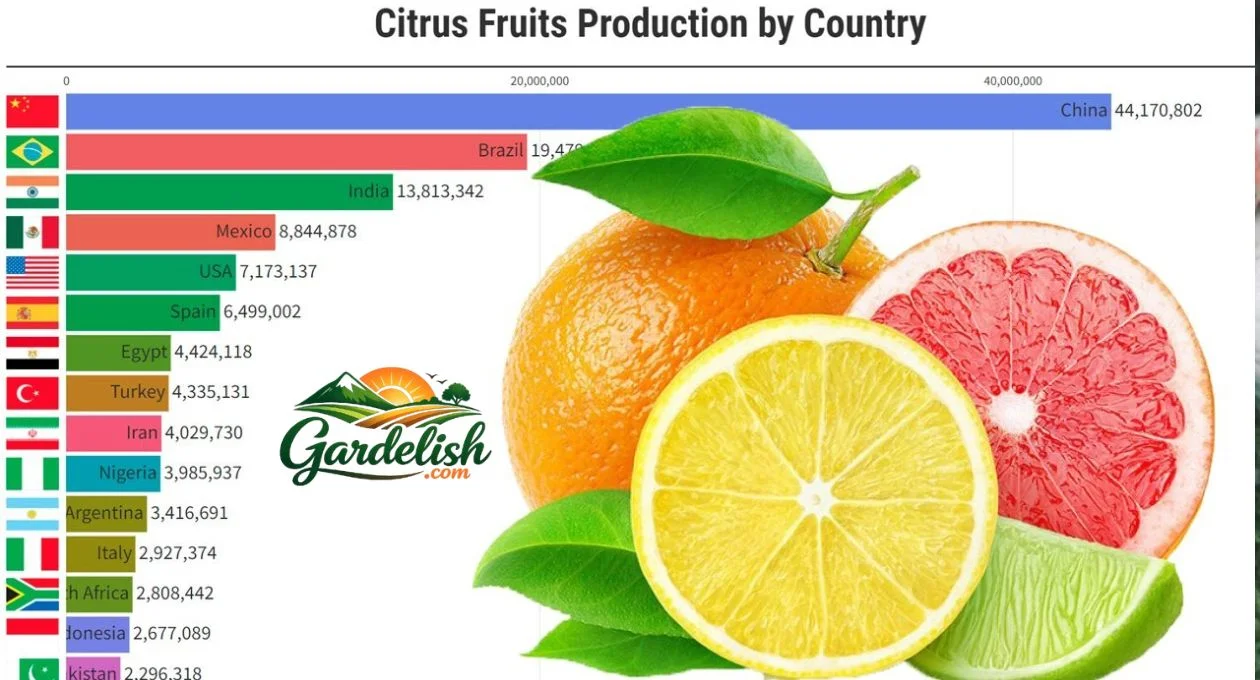
In a home garden, HLB rarely announces itself all at once. Gardeners usually notice a tree that looks “off” before they know what is wrong. Leaves may show blotchy yellow mottling that does not match normal nutrient deficiency. Fruit may stay green at one end, become misshapen, taste bitter, or drop before it is ready. UC IPM lists typical HLB symptoms including asymmetrical mottled leaves, thickened leathery foliage, fruit drop, shoot dieback, and small lopsided fruit.
Here is the practical difference:
| Symptom | Possible cause | What to do first |
| Yellow leaves with green veins | Iron, zinc, or nitrogen deficiency | Check fertilizer schedule and soil pH |
| Blotchy yellow mottling on one side of leaf | Possible HLB | Contact local extension office |
| Small fruit dropping in early summer | Natural thinning, drought, heat, poor watering | Deep water consistently and mulch |
| Lopsided, bitter fruit | Possible HLB or severe stress | Inspect for psyllids; seek testing advice |
| Twig dieback after fruiting | Stress, root damage, disease, freeze injury | Prune dead wood and improve root care |
The beginner mistake is assuming every yellow citrus leaf is greening. The experienced mistake is ignoring blotchy, uneven mottling because the tree still has a few decent fruits. Both can cost a gardener time.
Weather and fruit drop can change the forecast fast
Citrus trees are evergreen, but they are not invincible. Wind, drought, cold snaps, flooding, and heat stress all show up later in the crop. The USDA April forecast specifically notes that some prior seasons were excluded from comparison averages because of major hurricane impacts, including Irma, Ian, Nicole, and Milton.
In the garden, fruit drop often follows a pattern:
- The tree blooms heavily.
- Tiny fruits form.
- Weather turns hot, dry, windy, or unusually wet.
- Leaves curl slightly or pale.
- Fruit begins dropping under the canopy.
The fix is not to panic-fertilize. Heavy feeding during stress can make things worse. Instead, keep the root zone evenly moist, maintain mulch a few inches away from the trunk, and avoid hard pruning when the tree is already carrying fruit.
Home gardeners can protect their own citrus crop with steady seasonal care
A backyard citrus tree will never follow the national forecast exactly, but the same principles apply: healthy roots, low stress, and early pest detection produce better crops.
Use this simple seasonal care rhythm:
| Season | Citrus care task | Why it matters |
| Spring | Watch new flush for aphids, leaf miners, and psyllids | Tender growth attracts pests |
| Early summer | Thin crowded fruit only if branches are overloaded | Prevents limb breakage and stress |
| Summer | Deep water during heat and drought | Reduces fruit drop |
| Fall | Harvest early mandarins and monitor ripening color | Prevents overripe fruit hanging too long |
| Winter | Protect container citrus from frost | Cold damage weakens next year’s crop |
For citrus in containers, water quality matters more than many gardeners realize. Repeated shallow watering with hard tap water can leave salts in the potting mix. Flush the pot occasionally, feed with a citrus fertilizer that includes micronutrients, and repot when water runs straight down the sides instead of soaking the root ball.
The best citrus forecast for your yard starts with inspection
A national citrus crop forecast tells you what is happening commercially. Your own tree gives you a smaller, more useful forecast every time you walk past it.
Check these four things every month:
- New growth: Look for twisted flush, insect eggs, psyllids, or leaf miner trails.
- Leaf color: Note whether yellowing is even, veined, blotchy, or one-sided.
- Fruit hold: Count how much fruit drops after heat, drought, or storms.
- Root zone: Keep grass, weeds, and mulch piled against the trunk away from the base.
The best citrus growers I know are not the ones who spray the most. They are the ones who notice small changes early.
FAQs About the Citrus Crop Forecast
What is the citrus crop forecast?
The citrus crop forecast is an official estimate of how many boxes of oranges, lemons, grapefruit, mandarins, and related citrus crops are expected from major growing states. USDA/NASS releases these forecasts during the season, and the numbers can change as fruit size, fruit drop, weather damage, and harvest progress become clearer.
Why is Florida’s orange crop still so low?
Florida’s orange crop remains low mainly because of citrus greening, hurricane damage, weather stress, freezes, and long-term grove losses. The April 2026 forecast improved slightly from January, but it was still below the previous season’s revised production. Citrus trees take years to rebuild productivity, especially after disease and storm damage.
Will citrus prices go up because of the forecast?
Prices can rise when production is low, fruit size is limited, freight costs increase, or supply shifts between regions. The forecast alone does not set prices, but tight Florida orange production and disease pressure can affect orange juice and some fresh fruit markets. Local store prices also depend on imports, California supply, and seasonal timing.
Does citrus greening affect home garden trees?
Yes. Citrus greening can affect both commercial groves and home citrus trees. The disease is spread by the Asian citrus psyllid and has no cure once a tree is infected. Home gardeners should watch for blotchy mottled leaves, lopsided fruit, bitter flavor, fruit drop, and twig dieback, then contact their local extension office for guidance.
Can I prevent fruit drop on my citrus tree?
You cannot prevent all fruit drop because citrus naturally sheds some young fruit. You can reduce stress-related drop by watering deeply and consistently, mulching the root zone, avoiding over-fertilizing during heat, and protecting trees from frost or wind. Sudden drought followed by heavy watering is a common cause of avoidable drop.
Which citrus is easiest for home gardeners?
In many warm regions, Meyer lemon, calamondin, kumquat, and satsuma mandarin are among the more forgiving choices. Success depends on climate, disease pressure, and frost risk. Gardeners in USDA Zones 8–11 may grow some citrus outdoors, while colder zones usually need containers that can move indoors or into a protected space in winter.
What should I do if my citrus leaves are yellow?
First, decide whether the yellowing is even or blotchy. Even yellowing often points to nitrogen, iron, magnesium, or watering problems. Uneven blotchy mottling, especially with misshapen fruit or dieback, may indicate citrus greening. Do not guess based on one leaf. Inspect the whole tree, review care conditions, and seek extension testing if symptoms fit HLB.
Conclusion
The latest citrus crop forecast gives a little good news, but not a clean comeback. Florida’s orange number improved slightly, lemons and tangerines gained ground, and California remains central to fresh citrus supply. The deeper story is still disease pressure, fruit drop, storms, and uneven regional growing conditions. For home gardeners, the smartest response is steady care: protect roots, water consistently, feed with citrus-specific nutrients, inspect new growth, and take suspicious greening symptoms seriously. A productive citrus tree is rarely the result of one big fix. It comes from small, timely decisions made all season long.
Strawberry Prices Rising: Why Berries Cost More and How to Grow Your Own at Home