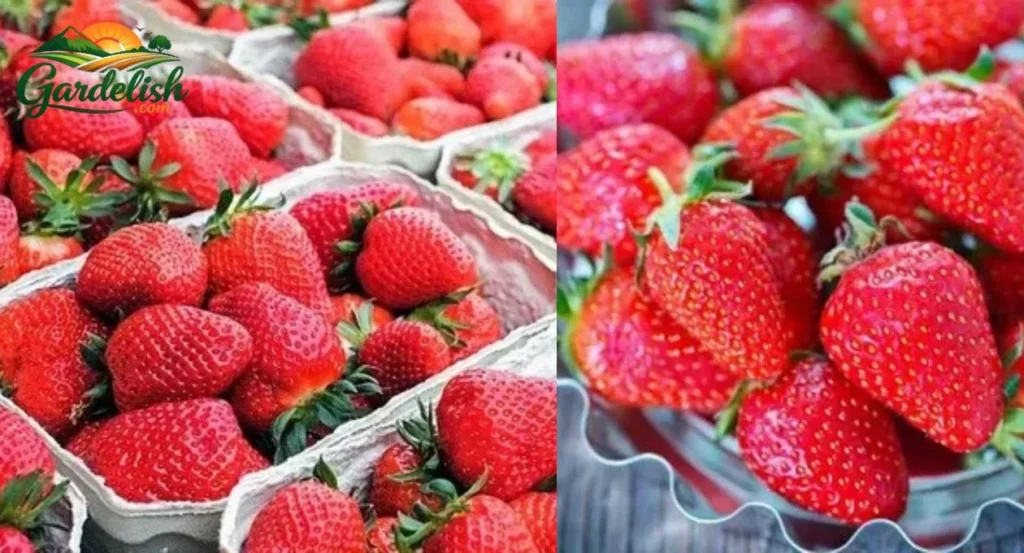
With strawberry prices rising, many shoppers are noticing smaller containers, softer fruit, and fewer good deals in the produce aisle. The increase is not caused by one simple problem. Strawberries are delicate, labor-heavy, weather-sensitive fruit that must be cooled, packed, shipped, and sold quickly. A frost, heat wave, wet harvest week, fuel spike, or labor shortage can show up fast at the grocery store. The good news for home gardeners is that strawberries are one of the easiest fruits to grow in beds, containers, towers, hanging baskets, and even border edges.
Quick Answer
Strawberry prices are rising because weather damage, tight supply, high labor costs, refrigeration, and transportation expenses all affect this fragile crop. In the U.S., the 2026 Farm Bureau summer cookout survey reported strawberries at $5.27 for two pints, up 12.4% from the previous year. Prices vary by region, so a shortage in one growing area does not always mean every market is affected. Growing your own strawberries can help reduce seasonal grocery costs, especially if you plant day-neutral or everbearing varieties for a longer harvest.
Strawberry prices are rising because strawberries are a fragile, fast-moving crop
Strawberries look simple in a plastic clamshell, but they are one of the least forgiving fruits in the supply chain. They bruise easily, mold quickly, and are usually hand-picked because ripe fruit cannot handle rough mechanical harvesting. That means weather and labor both matter.
In 2026, the American Farm Bureau Federation pointed to a damaging Florida freeze as one reason strawberry prices climbed, along with high labor costs and fuel used for refrigeration and transportation. Fresh-market reports also described tight U.S. supply, firm Grade A pricing, quality pressure from rain and warmth in California, and higher logistics costs.
Gardeners understand this problem immediately. A strawberry can be perfect in the morning and soft by evening after a hot, wet day. Commercial growers face that same problem, only across thousands of acres.
Strawberry prices do not rise everywhere at the same time
Strawberry prices are regional because strawberries are seasonal, perishable, and weather-driven. A frost in Florida, rain in California, high demand during a holiday, or expensive cold-chain transport can push prices up in one place while another region has a strong harvest.
That is why shoppers may see mixed headlines. The UK had a strong strawberry harvest in June 2026, which helped fresh food inflation ease, according to Reuters. In Pakistan, Ramadan demand and high input costs pushed strawberries to roughly Rs1,000–1,300 per kilogram in Lahore earlier in 2026.

For home gardeners, the lesson is clear: local growing beats long-distance guessing. A small patch will not replace a farm, but it can give you better flavor at peak season and protect you from the worst grocery-store swings.
Growing your own strawberries is the best home-garden response to higher prices
A well-planted strawberry bed can produce fruit for several years, though most beds perform best when refreshed regularly. Strawberries need full sun for maximum fruiting, and spacing matters because runners can quickly crowd a bed. University of Minnesota Extension recommends full sun, 12–18 inches between plants, and runner control to keep plants productive.
Here is the practical setup I recommend for beginners:
- Choose a sunny spot with at least 6–8 hours of direct sun.
- Improve soil with compost before planting.
- Plant crowns at soil level, not buried and not sticking high above the soil.
- Mulch with straw, pine needles, or clean shredded leaves.
- Water deeply and consistently, especially during flowering and fruit swelling.
- Remove early flowers for a few weeks on new spring-planted day-neutral plants to build stronger roots.
- Keep only enough runners to renew the bed.
The biggest beginner mistake is planting strawberries and then letting every runner root. It feels generous, but overcrowded plants produce smaller berries and more disease.
The right strawberry type determines how much fruit you actually get
Not all strawberries crop the same way. Choosing the wrong type is one reason gardeners feel disappointed after planting.
| Strawberry type | Best for | Harvest pattern | Gardener’s note |
| June-bearing | Big harvests, jam, freezing | One heavy crop in late spring or early summer | Best yield, but short season |
| Everbearing | Two smaller harvests | Early summer and again later | Useful for small gardens |
| Day-neutral | Long harvest window | Fruits through much of the growing season | Best choice for containers |
| Alpine | Edible edging, partial shade | Small, intensely flavored berries | Low yield but excellent flavor |
Day-neutral strawberries are especially useful when grocery prices are high because they spread the harvest over more weeks. University of New Hampshire Extension notes that day-neutral types can produce into fall and are often easiest to manage on raised beds. Oregon State University lists popular day-neutral cultivars such as ‘Albion,’ ‘San Andreas,’ ‘Seascape,’ and ‘Sweet Ann’ for Zones 4–8.
Containers can grow strawberries when you do not have a garden bed
Strawberries are excellent container fruit. I like them in wide bowls, window boxes, grow bags, and tiered planters because the berries hang over the edge instead of sitting on wet soil. That one detail prevents a lot of rot.
Use a container at least 8–10 inches deep with drainage holes. Fill it with quality potting mix, not heavy garden soil. Plant crowns level with the surface and mulch lightly. Containers dry faster than beds, so check moisture often in hot weather. The soil should feel evenly damp, never swampy.
For patios and balconies, day-neutral varieties are usually the best investment. You get a smaller but steadier harvest, and you can move pots out of extreme heat or heavy rain.
Seasonal timing makes strawberries cheaper to grow and easier to maintain
| Season | What to do | Why it matters |
| Spring | Plant crowns or transplants after soil can be worked | Gives roots time to establish |
| Early summer | Mulch, water, remove weeds, protect ripening fruit | Prevents mold and improves berry size |
| Midsummer | Trim excess runners and refresh mulch | Reduces crowding and disease |
| Fall | Remove weak plants and root selected runners | Renews the bed |
| Winter | Mulch after dormancy in cold climates | Protects crowns from freeze-thaw damage |
In cold regions, winter mulch is essential. In hot climates, afternoon shade, steady irrigation, and heat-tolerant varieties matter more. Strawberries are widely adaptable, but they are not “plant and forget” fruit.
Troubleshooting helps you get berries instead of leaves
| Symptom | Possible causes | Solution | Prevention |
| Lots of leaves, few berries | Too much nitrogen, too much shade, young plants | Move to sun, reduce feeding, wait for maturity | Use balanced compost, avoid lawn fertilizer nearby |
| Small berries | Crowding, dry soil, weak plants | Thin runners, water deeply | Renovate beds yearly |
| Moldy berries | Wet mulch, poor airflow, fruit on soil | Remove rotten fruit, add clean straw | Keep rows narrow and plants spaced |
| Birds eating fruit | Ripening berries exposed | Use netting before fruit turns red | Secure netting above plants, not directly on fruit |
| Plants wilting | Drought, root disease, poor drainage | Check roots and soil moisture | Plant in raised beds if soil stays wet |
| Runners taking over | June-bearers spreading aggressively | Clip excess runners | Root only the strongest daughter plants |
Gray mold and root rots are common strawberry problems, but many issues can be reduced with resistant varieties, weed control, narrow rows, mulch, and better airflow.
Smart shopping still matters while your plants mature
A new strawberry bed takes patience, so use both garden and grocery strategies.
Buy strawberries during local peak season, when flavor is better and prices are often lower. Choose dry, fragrant berries with fresh green caps. Avoid containers with juice stains, gray fuzz, or berries pressed flat against the bottom. Strawberries do not truly ripen after picking, so pale fruit usually stays bland.
When prices dip, freeze extra berries. Wash, hull, dry thoroughly, freeze on a tray, then bag them. Frozen home-prepped berries are excellent for smoothies, sauces, baking, and jam.
FAQs
Why are strawberry prices rising this year?
Strawberry prices are rising because the crop is highly sensitive to weather, labor, refrigeration, and transport costs. A frost, rainy harvest period, or fuel increase can quickly reduce quality or raise shipping costs. In 2026, U.S. reports specifically linked higher strawberry prices to Florida frost, labor costs, and cold-chain fuel expenses.
Is there a strawberry shortage?
There can be local or temporary strawberry shortages, especially when weather damages a major growing region. Short supply does not always mean every store or country will run out. It often shows up as higher prices, smaller displays, softer berries, or fewer frozen options. Supply usually improves when another growing region enters peak harvest.
Is it cheaper to grow strawberries at home?
Growing strawberries can be cheaper over time, especially if you use runners to renew your plants instead of buying new ones every year. The first season may not feel cheap because you buy plants, soil, mulch, and containers. By the second year, a healthy bed can produce enough berries to offset seasonal grocery costs.
What is the best strawberry variety for saving money?
Day-neutral strawberries are often the best choice for saving money in small gardens because they fruit over a longer season. ‘Albion,’ ‘Seascape,’ and ‘San Andreas’ are popular choices in suitable climates. June-bearing varieties give the biggest harvest, which is useful if you want to freeze berries or make jam.
Can strawberries grow in pots?
Yes, strawberries grow very well in pots as long as the container drains freely and gets enough sun. Use a good potting mix and keep moisture consistent. Pots are especially useful for patios, balconies, and renters. Day-neutral varieties are usually best because they crop steadily without needing a large matted row.
Why are my strawberry plants not producing fruit?
The most common reasons are too much shade, too much nitrogen, young plants, poor pollination, heat stress, or overcrowding. Strawberries need sun, airflow, steady water, and space. If plants are all leaves and no flowers, reduce feeding and check sunlight. If flowers appear but berries fail, pollination or weather may be the issue.
How many strawberry plants does a family need?
For fresh snacking, start with 10–15 plants for a small household and 25 or more if your family eats berries often. For freezing or jam, plant more June-bearing strawberries. Containers need fewer plants but more attentive watering. A mixed planting of June-bearing and day-neutral types gives both a big crop and steady picking.
Conclusion
Strawberry prices rising is not just a grocery-store story. It reflects how delicate, labor-intensive, and weather-sensitive strawberries are from field to fridge. Frost, rain, heat, fuel, refrigeration, labor, and regional demand can all affect what shoppers pay. The most practical response for gardeners is to grow part of their own supply. Choose the right type, plant in full sun, mulch well, water consistently, and control runners before they crowd the bed. For the longest harvest, add day-neutral strawberries in containers or raised beds. Even a modest patch can give you sweeter fruit, fewer wasted berries, and a little independence from unpredictable produce prices.
Apple Prices Rising: Why Apples Cost More in 2026 and What Gardeners Can Do