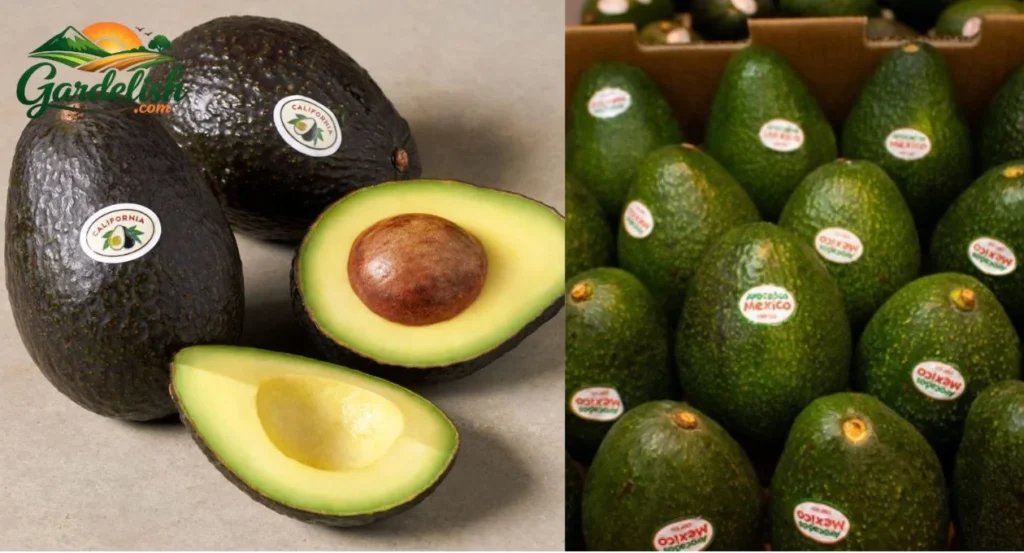
Avocado supply in the U.S. is not gone, but the market is tighter and more sensitive than usual. The main reason is a seasonal shift in supply from Mexico, while California and Peru increase their summer shipments. Because the U.S. depends heavily on imported Hass avocados, even a short slowdown from Mexico can quickly affect prices, store promotions, and fruit quality on produce shelves. For shoppers, the best move right now is to buy carefully, choose avocados by ripeness rather than color, and expect prices to vary by region.
Quick Answer
The latest avocado supply update shows that U.S. supply is available, but pricing has been unsettled because Mexican volume slowed during the seasonal transition. The Hass Avocado Board reported U.S. avocado volume at about 66.7 million pounds for week 26, with projections near 65.2 million pounds for week 27 and 69.3 million pounds for week 28. California and Peru are helping support summer supply, but shoppers may still notice higher prices, fewer promotions, or mixed-origin fruit in stores.
Avocado supply is available, but prices are still sensitive
The U.S. avocado market relies heavily on imports, especially from Mexico. USDA ERS reported that the United States imported a record 2.87 billion pounds of fresh avocados in 2025, with Mexico accounting for 83% of import volume and 88% of import value. Most of those imports were Hass or Hass-like avocados, which are the creamy, dark-skinned fruit most shoppers expect for toast, guacamole, and salads.
That dependence is why avocado prices can change quickly. When Mexican harvest volume dips, the effect can move through the supply chain before shoppers see empty shelves. In many stores, the first signs are not missing avocados but fewer sale tags, smaller fruit, harder fruit, or displays filled with avocados from multiple origins.
Prices changed because Mexico is moving between crop cycles
The current pressure is mainly a timing issue. Mexico supplies avocados year-round, but its crop flow changes by season, elevation, and bloom period. USDA ERS notes that Mexican shipments are highest in fall and winter, and that Michoacán’s varying elevations and microclimates allow multiple bloom periods and year-round harvest.
FreshPlaza reported that supply became more complicated after a shortage of avocado supply from Mexico, while California, Peru, and smaller offshore suppliers began playing a larger role. This does not mean avocados disappeared. It means buyers had to shift sources faster than usual, which often creates price swings and uneven ripeness at retail.
California and Peru should help stabilize summer availability
California and Peru are the two important summer helpers in the U.S. avocado market. USDA ERS reported that California avocado shipments usually increase through spring, peak in summer, and wind down in early fall. California’s 2025/26 crop was forecast at 330 million pounds, with most of it Hass or Hass-like fruit.
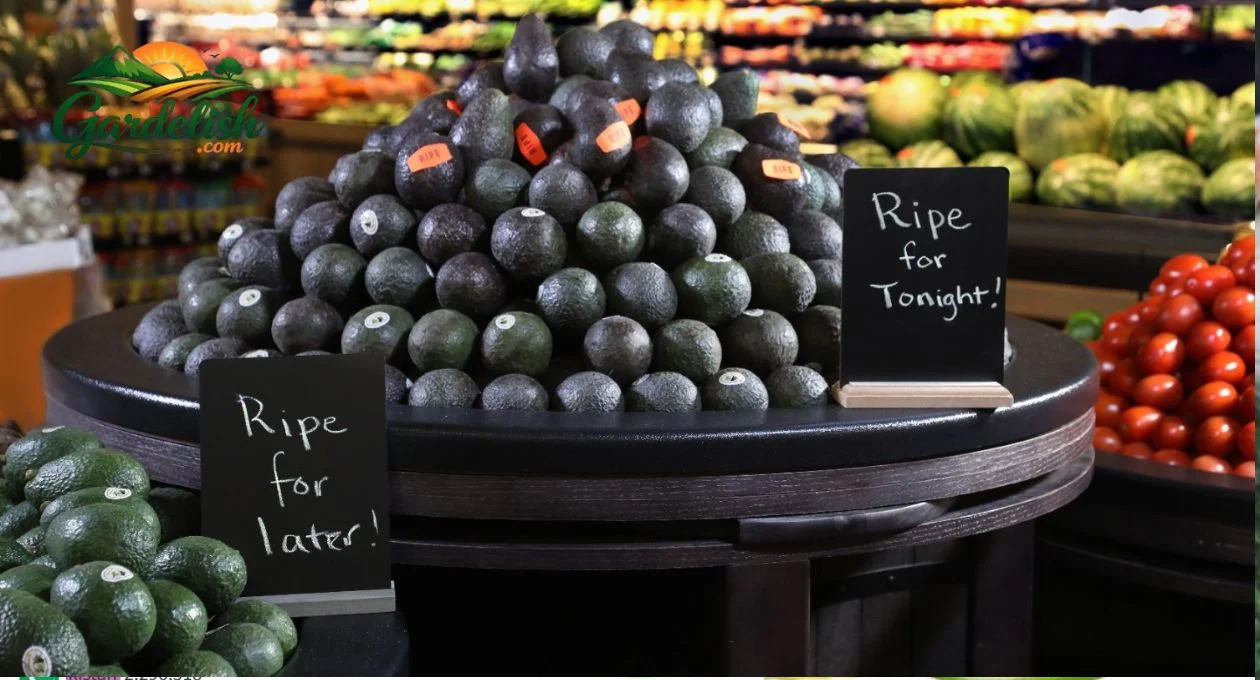
Peru also becomes important in summer. USDA ERS reported that about 70% of U.S. avocado shipments from Peru in 2025 occurred between June and August. FreshPlaza also reported that California should remain a strong contributor through July and into August, while Peru is expected to land heavily into September.
| Supply Source | Current Role | What It Means for Shoppers |
| Mexico | Main year-round supplier | Biggest influence on price and availability |
| California | Strong spring and summer crop | Good summer option, often excellent quality |
| Peru | Important summer import source | Helps ease pressure when Mexican volume slows |
| Colombia and others | Smaller support sources | Helpful, but not enough to replace Mexico alone |
| Florida green-skin avocados | Different avocado type | Larger, milder, less creamy than Hass |
Shoppers should buy by ripeness, not by color
During tight avocado markets, fruit can move quickly from packers to stores. That is when shoppers often end up with avocados that look ripe but stay hard, or fruit that softens unevenly. From practical experience, the biggest mistake is squeezing with fingertips. That bruises the flesh and gives a false reading.
Use the palm of your hand instead. A ready-to-eat Hass avocado should give slightly to gentle pressure. If it feels mushy, has sunken spots, or the skin feels loose over the flesh, leave it behind. Dark skin can help, but it is not a perfect test.
Best way to buy avocados right now
- For today: choose one avocado that gives slightly under gentle palm pressure.
- For later in the week: choose firm fruit with smooth skin and no deep dents.
- For meal planning: buy mixed ripeness instead of a full bag of hard avocados.
- To ripen faster: keep avocados at room temperature in a paper bag with a banana.
- To slow ripening: refrigerate only after the avocado has softened.
Common avocado problems are usually caused by poor handling or uneven ripening
| Problem | Likely Cause | What To Do |
| Avocado stays hard for days | Picked young or held too cold | Use for slicing if flavor is acceptable, but avoid buying rock-hard fruit for urgent meals |
| Brown streaks inside | Bruising, age, or storage stress | Trim small areas; discard if flavor is off |
| Soft outside, hard inside | Uneven ripening | Let it sit another day before cutting |
| Gray or watery flesh | Overripe or poor storage | Avoid fruit with loose skin or sunken areas |
| Bitter taste | Immature fruit | Buy from stores with high produce turnover |
Home gardeners should see this as a long-term crop, not a quick price fix
Growing your own avocado tree is satisfying, but it will not solve this year’s grocery prices. Avocado trees take time, space, warmth, and good drainage. They are best suited to mild, frost-free climates, and young trees can be damaged by cold temperatures. UC IPM notes that avocados need fairly good drainage and that poorly drained soil can lead to root rot.
For gardeners in suitable climates, spring is usually the safest planting window after frost risk has passed. In hot summer areas, irrigation matters just as much as planting location. UC IPM explains that underwatering can lead to small fruit and sunburn, while overwatering can encourage root and crown rots.
FAQs
Is there an avocado shortage right now?
There is not a complete avocado shortage, but supply has been uneven. The main issue is the seasonal shift in Mexican volume while California and Peru increase summer shipments. Shoppers are more likely to see higher prices, fewer promotions, or mixed-origin displays than completely empty avocado shelves.
Why are avocados expensive again?
Avocados become expensive when supply from the main growing region slows or becomes harder to source. Since Mexico supplies most U.S. avocado imports, even a short disruption can affect wholesale pricing. Retail prices may also stay high longer because stores adjust promotions and inventory gradually.
When will avocado prices go down?
Prices may ease as California and Peru contribute more summer volume. FreshPlaza reported that California should remain strong through July and into August, while Peru is expected to stay heavy into September. Local prices will still depend on store contracts, demand, region, and fruit size.
Are California avocados better than Mexican avocados?
California avocados can be excellent in season because they often travel a shorter distance within the U.S. market. Mexican avocados can also be very good when harvested mature and ripened properly. Quality depends more on maturity, handling, and ripeness than country of origin alone.
Why do some avocados never ripen?
Some avocados fail to ripen properly when they are harvested immature, stored too cold, or handled poorly during shipping. During tight markets, fruit can move quickly through the supply chain. Buy from stores with strong produce turnover and avoid extremely hard avocados when you need ripe fruit soon.
Can I grow an avocado tree at home?
You can grow an avocado tree if your climate is warm enough and your soil drains well. It is not a quick solution for high prices, though. A productive avocado tree takes years, and seed-grown trees may not produce reliable fruit. A grafted nursery tree is better for home fruit production.
Conclusion
The current avocado supply update is a price-and-timing story, not a total avocado shortage. Mexican supply remains important, but seasonal changes have made the market more sensitive. California and Peru should help support summer availability, although shoppers may still see higher prices or fewer deals in some stores. The best practical advice is to buy avocados by ripeness, store them correctly, and avoid overbuying during volatile weeks. For gardeners, avocados are worth growing only as a long-term tree crop in the right climate, with excellent drainage, steady watering, and frost protection.
Blueberry Harvest Forecast: When to Expect Ripe Berries This Season