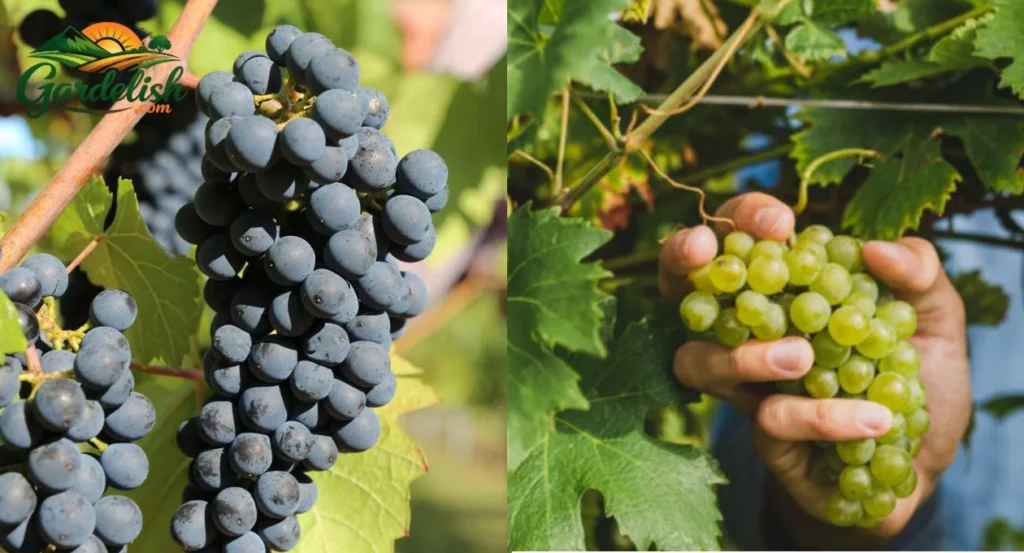
A useful grape harvest forecast is not one fixed date on the calendar. Most backyard grapes ripen from late summer into fall, but the exact picking window depends on variety, heat, rainfall, pruning, crop load, and how much sunlight reaches the leaves. Grapes also do not continue ripening after they are picked, so harvesting too early usually means sour, flat fruit. The best way to forecast your harvest is to start with your regional season, then narrow it down by tasting berries, checking texture, watching the weather, and protecting clusters before birds and insects get there first.
Quick Answer
Most grapes are ready to harvest when they taste sweet and balanced, show their mature color, feel plump, and no longer have a sharp acidic bite. Grapes do not ripen after picking, so leave them on the vine until they are truly ready unless heavy rain, frost, rot, birds, or wasps force an earlier harvest. In many home gardens, grapes ripen from late summer into fall, but warm climates and early varieties can be ready much sooner. The most reliable harvest forecast comes from tasting grapes every few days once they begin to color.
The Best Grape Harvest Forecast Starts With Your Climate and Variety
Grape harvest timing changes from one garden to another. Even two vines in the same yard can ripen at different times if one gets more sun, better airflow, or lighter soil.
Early table grapes may ripen weeks before Concord-type grapes. Muscadines often ripen berry by berry instead of all at once. Wine grapes may be left on the vine longer because growers are watching sugar, acidity, flavor, and seed maturity.
For most home gardeners, the harvest window looks something like this:
| Growing Situation | Likely Harvest Window | What Can Shift the Forecast |
| Warm inland climates | Early summer to late summer | Heat speeds ripening, but drought can slow flavor development |
| Mediterranean climates | Summer to early fall | Variety, irrigation, and pruning make a big difference |
| USDA Zones 4 to 6 | Late summer to fall | Cool nights, short seasons, and frost risk |
| USDA Zones 7 to 9 | Mid-summer to fall | Heat, humidity, and disease pressure |
| Greenhouse or protected vines | Earlier than outdoor vines | Extra warmth, watering, and ventilation |
| Muscadines | Late summer into fall | Individual berries ripen over several harvests |
| Wine grapes | Late summer to fall | Sugar, acidity, pH, and flavor maturity |
The key is to treat harvest dates as a range, not a deadline. A warm spring can move grapes forward. A cool, cloudy summer can delay them. Heavy crops, poor pruning, and dense shade can also make grapes ripen later than expected.
The Most Reliable Harvest Sign Is Flavor, Not Color
Color is helpful, but it is not enough. Many grapes turn purple, red, black, or golden before they are fully ripe. This is one of the most common mistakes new grape growers make. They see good color, pick the fruit, and end up with sour grapes.
The better test is simple: taste several berries from different parts of the vine.
Use this backyard ripeness check:
- Pick berries from the top, middle, and bottom of a cluster.
- Taste berries from both sunny and shaded sides of the vine.
- Look for sweetness with a little brightness, not a sharp green bite.
- Check seeded grapes for brown seeds instead of pale green ones.
- Feel the berries. They should be plump and slightly yielding, not hard.
- Wait three to five days and taste again if the fruit still seems tart.
The bottom berries in a cluster are often the last to sweeten. I usually taste those before cutting the whole bunch. If the lower grapes still taste sharp, the cluster usually needs more time unless bad weather or pests are about to ruin it.
Grapes Are Ready When Several Ripeness Signs Agree
A single sign can mislead you. The best grape harvest forecast comes from checking several clues together.
| Ripeness Sign | Ready to Harvest | Not Ready Yet |
| Flavor | Sweet, aromatic, balanced | Sour, grassy, thin |
| Color | Full mature color for the variety | Patchy, pale, uneven |
| Texture | Plump, juicy, slightly soft | Hard, small, very firm |
| Seeds | Brown in seeded varieties | Green or pale |
| Natural bloom | Whitish coating on the skin | Fruit still looks immature |
| Cluster | Most berries are ready, including lower berries | Bottom berries are still sharp |
| Weather risk | Fruit is ripe and weather is turning | Fruit is still sour with dry weather ahead |
That whitish coating on grape skins is natural bloom. It is not the same as powdery mildew. Natural bloom looks like a fine dusty coating on healthy fruit. Powdery mildew looks more like a fungal film and may appear on leaves, stems, or fruit, often with distorted growth or poor berry quality.
Weather Can Move the Grape Harvest Forecast by Days or Weeks
Weather has a huge influence on grape ripening. Warm, sunny days help leaves produce sugars that move into the fruit. Cool, cloudy weather slows that process. Grapes also need enough warmth to continue maturing well on the vine.
Rain near harvest is the hardest decision. If grapes are still clearly sour and healthy, waiting may be best. If they are nearly ripe and heavy rain is coming, picking before the storm can save the crop.
Use this practical guide:
| Weather Forecast | What to Do |
| Light rain, grapes not ripe | Wait and keep monitoring |
| Heavy rain, grapes nearly ripe | Pick the best clusters before rain |
| Humid week, tight clusters, rot starting | Harvest usable fruit and remove diseased berries |
| Dry sunny week ahead | Let slightly tart grapes hang longer |
| Birds or yellow jackets increasing daily | Net, bag, or harvest ripe clusters |
| Frost expected | Pick ripe and near-ripe fruit before damage |
If grapes are almost there and the forecast shows several dry, sunny days, patience usually improves the flavor. If a storm, frost, or rot problem is moving in, waiting can cost you more than it gains.
A Simple 3-Week Grape Harvest Forecast Plan
Start checking grapes earlier than you think. Once berries have changed color, or green varieties look full-sized and slightly translucent, begin a regular harvest routine.
Three Weeks Before Expected Harvest
Taste a few berries twice a week. Check both sunny and shaded clusters. Look inside the canopy for mildew, rot, birds, wasps, and split berries.
If clusters are buried in heavy shade, remove a few leaves carefully to improve light and airflow. Do not strip the vine bare. Sudden exposure can sunburn grapes, especially in hot climates.
Two Weeks Before Expected Harvest
Taste every three days. This is also the time to protect the crop. Birds often notice ripening grapes before gardeners do.
Use netting, organza bags, or fruit protection bags before the grapes reach peak sweetness. Waiting until the first bird damage is usually too late.
One Week Before Expected Harvest
Taste daily if the weather is changing. Remove rotting berries if the damage is minor. If splitting, sour rot, birds, or yellow jackets are spreading quickly, harvest the sound clusters and use them right away.
This final week is when the best grapes are either saved or lost. A little daily attention makes a big difference.
Sour Grapes Usually Need More Time, Light, or Balance
Sour grapes usually mean they were picked too early. But if grapes stay sour late into the season, the vine may be struggling with shade, overcropping, poor pruning, or inconsistent water.
| Symptom | Possible Cause | Solution | Prevention |
| Grapes are colored but sour | Picked too early | Wait and taste again in 3 to 5 days | Do not harvest by color alone |
| Upper berries are sweet, lower berries sour | Uneven cluster ripening | Delay harvest or pick selectively | Keep canopy open and sample lower berries |
| Whole vine ripens late | Too much shade | Improve pruning and training | Plant in full sun and manage canopy |
| Many clusters stay small and tart | Overcropping | Remove some clusters next season | Prune properly and thin heavy crops |
| Berries split after rain | Water swings near harvest | Pick sound fruit quickly | Keep soil moisture steadier in dry spells |
| Fruit rots before sweetening | Humidity, dense canopy, disease | Remove diseased fruit and improve airflow | Prune well and clean up fallen fruit |
| Birds strip fruit early | Fruit is nearly ripe | Net the vine immediately | Install netting as color develops |
Too much fruit on one vine is a common beginner mistake. A grapevine can look wonderfully productive in midsummer, then fail to ripen everything well by fall. The fix is usually better pruning and crop balance, not more fertilizer.
In fact, too much nitrogen can push leafy growth at the expense of fruit quality. Grapes generally perform best with full sun, good airflow, moderate fertility, and a properly trained structure.
Table Grapes, Wine Grapes, Juice Grapes, and Muscadines Need Different Harvest Decisions
Not all grapes should be harvested at the same stage.
Table grapes should taste good right off the vine. For fresh eating, flavor and texture matter more than technical measurements.
Juice and jelly grapes, such as Concord types, are usually best when they have a deep aroma and full flavor. They often need more time after they first turn color.
Wine grapes are more technical. Growers may track Brix, acidity, pH, seed color, skin texture, and flavor maturity. A refractometer can help measure sugar levels, but numbers alone do not tell the whole story. Flavor still matters.
Muscadines ripen differently from bunch grapes. Many muscadines do not ripen as a full cluster. The ripe berries soften, color fully, and may detach more easily. You may need to harvest them in several passes over a few weeks.
The Cleanest Harvest Comes From Cutting Clusters in Cool, Dry Weather
Pick grapes when the weather is dry, preferably in the morning after dew has dried. Wet grapes spoil faster, and hot grapes lose freshness quickly after picking.
Use this simple harvest method:
- Sanitize sharp snips or pruning shears.
- Hold the cluster gently from underneath.
- Cut the cluster stem instead of pulling.
- Keep berries attached to the cluster.
- Remove split, moldy, or bird-damaged berries.
- Cool grapes as soon as possible.
- Store unwashed clusters in a ventilated container.
Do not wash grapes before storing unless you plan to eat or process them right away. Extra moisture encourages spoilage. Keep them cool, dry, and gently handled.
Common Grape Harvest Mistakes to Avoid
Picking by color alone
Color means ripening has started. It does not always mean the grapes are ready. Always taste before harvesting.
Waiting too long without protection
Once grapes become sweet, birds, yellow jackets, raccoons, and other pests can move in fast. Protect fruit before peak ripeness.
Leaving diseased berries in the cluster
One rotting berry can spread trouble through a tight cluster, especially during humid weather. Remove damaged berries when you see them.
Overfeeding the vine
Too much fertilizer, especially nitrogen, creates lush leaves but can delay ripening and reduce fruit quality.
Letting the canopy get too dense
Grapes need sunlight and airflow. Dense, tangled growth encourages mildew, uneven ripening, and poor flavor.
Expert Tips for a Better Grape Harvest Forecast Next Year
The best harvest forecasts come from experience with your own vine. Keep simple notes each season. Write down when berries changed color, when they tasted ripe, what the weather was like, and whether pests or disease showed up.
For better harvests next year:
- Prune during dormancy to balance growth and fruiting wood.
- Train vines so sunlight reaches the canopy.
- Avoid heavy nitrogen feeding.
- Water young vines consistently during dry spells.
- Remove diseased fruit and fallen debris.
- Net grapes before birds start feeding.
- Thin excessive clusters if the vine is overloaded.
- Choose varieties suited to your climate and season length.
A healthy, well-pruned vine is much easier to forecast than a crowded one. When the canopy is balanced, fruit ripens more evenly and harvest decisions become much simpler.
Frequently Asked Questions
What month are grapes usually harvested?
In many home gardens, grapes are harvested from late summer into fall, often from August through October. Warm regions and early varieties may ripen sooner, while cooler climates and late grapes can take longer. Use the calendar as a rough guide, then rely on taste, texture, color, and weather to decide the exact harvest date.
Do grapes ripen after picking?
No, grapes do not ripen after they are picked. Their sugar and flavor do not improve once the cluster is cut from the vine. This is why tasting before harvest is so important. If grapes are sour on the vine, they will usually remain sour after picking.
Should I harvest grapes before rain?
Harvest before rain only if the grapes are already close to ripe or if rot, splitting, or pests are becoming a problem. If the fruit is still hard and sour, waiting may be better. When heavy rain is forecast and grapes taste sweet, picking the best clusters before the storm can prevent loss.
Why are my grapes purple but still sour?
Grapes often change color before they are fully ripe. This is especially common with many red, black, and Concord-type grapes. Taste berries from different parts of the cluster before harvesting. If the lower berries are still sour, wait a few more days and check again.
Can I pick only some grape clusters and leave the rest?
Yes. Selective harvesting is often the best method for home gardeners. Pick clusters that taste ripe and leave slower ones to sweeten. This works well when vines ripen unevenly because of shade, variety, crop load, or changing weather.
How do I know if green grapes are ripe?
Green grapes are ready when they look full, slightly translucent, and taste sweet rather than sharp. Some varieties develop a golden tint when ripe. Since green grapes do not have a dramatic color change, flavor, texture, and berry fullness are especially important.
What is the biggest grape harvest mistake?
The biggest mistake is harvesting by appearance alone. Grapes can look ripe before they taste ripe. The second mistake is waiting too long without protection. Once grapes are sweet, birds, wasps, rain, and rot can damage the crop quickly.
Final Thoughts
A good grape harvest forecast begins with your climate and variety, but the final decision always comes from the vine. Color tells you ripening has started, not that it is finished. Taste several berries, especially from the bottom of clusters, and watch the weather closely during the final week. If dry weather is ahead and the grapes are still tart, patience usually improves flavor. If heavy rain, frost, birds, yellow jackets, or rot are closing in, harvest the ripe clusters and cool them quickly. The most dependable grape growers keep notes, prune for light and airflow, avoid overcropping, and trust flavor over appearance.
Avocado Supply Update: Why Prices Are Changing and What Shoppers Should Expect