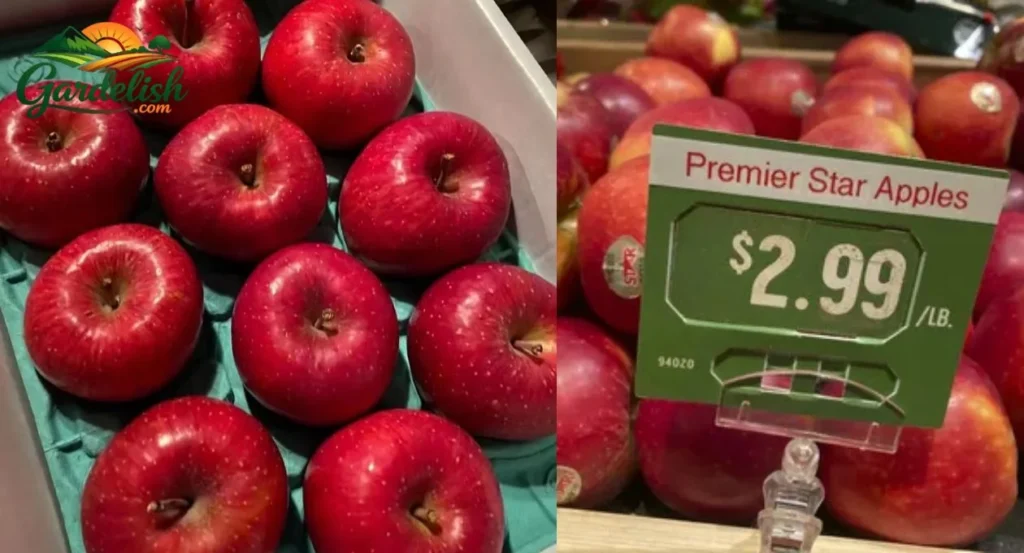
Apple prices are rising because the market is being squeezed from several directions at once: tighter crop expectations, higher labor and packing costs, weather stress, storage expenses, and strong demand for popular varieties like Honeycrisp. For shoppers, that means fewer deep discounts and bigger price swings between varieties. For gardeners, it is a reminder that a well-planned backyard apple tree can be useful—but only if you choose the right cultivar, plant for pollination, and manage pests before they ruin the crop.
Quick Answer: Apple prices are rising because supply is tighter and growing costs remain high
Apple prices are rising in 2026 because growers and packers are dealing with smaller crop expectations, higher labor costs, storage expenses, and weather-related uncertainty. Premium apples such as Honeycrisp often rise first because they are harder to grow, bruise more easily, and cost more to handle. Prices usually feel highest in spring and early summer, before the new harvest reaches stores. Gardeners can respond by buying seasonal varieties, storing apples properly, and planting disease-resistant apple trees suited to their climate.
Apple prices are rising because supply, labor, weather, and variety demand are all pushing costs up
The apple aisle looks simple, but the price tag reflects a long chain of orchard work: pruning, thinning, pest control, harvest labor, cold storage, packing, trucking, and retail markup. Apples are not like shelf-stable groceries that can be made quickly when demand rises. A commercial apple crop is planned years before fruit appears on the tree.
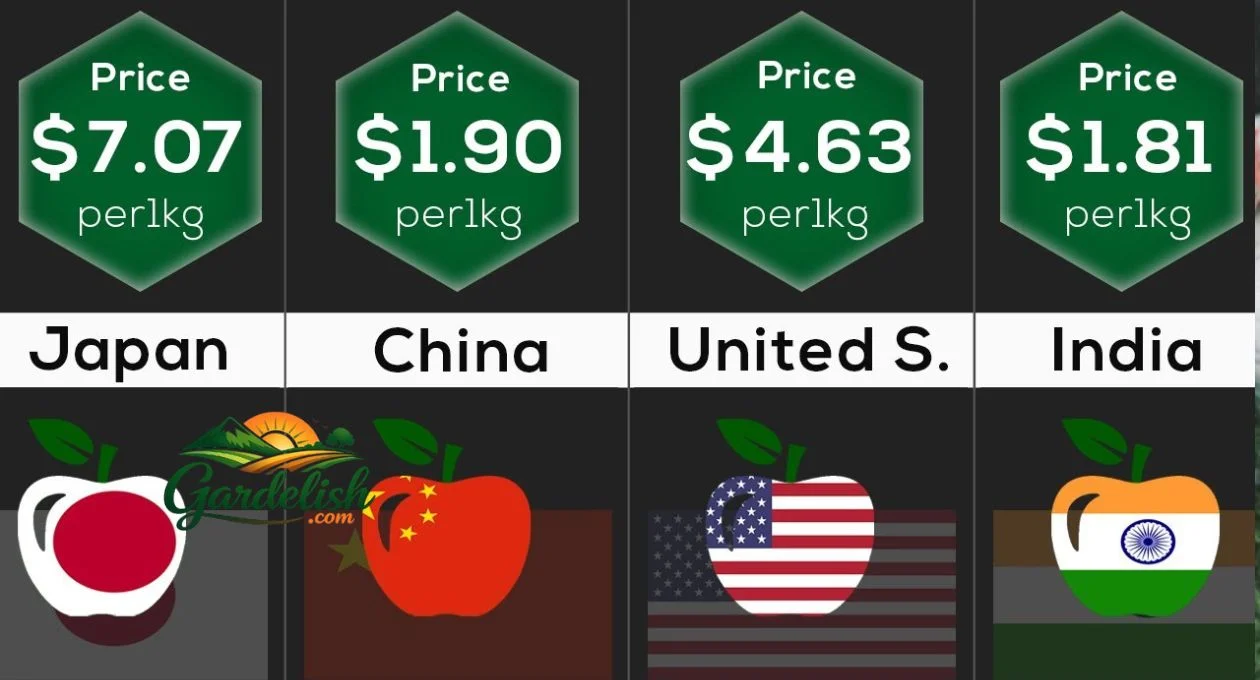
Weather is one of the biggest reasons prices move. A late spring frost can damage blossom before shoppers ever think about apples. Summer heat can reduce fruit size, drought can stress trees, hail can downgrade fruit from fresh-market quality to processing use, and heavy rain can increase disease pressure. Even when trees still produce, a smaller share may be attractive enough for fresh supermarket displays.
Labor is another pressure point. Apples are still heavily hand-managed. Crews prune trees, thin fruitlets, pick ripe apples, and sort fruit carefully to avoid bruising. When labor costs rise, the cost of a good apple rises with them.
| Cause | How it raises prices | What shoppers notice |
| Smaller crop | Less fruit available for fresh markets | Fewer sales and higher per-pound prices |
| Late frost or hail | Damages blossom or fruit skin | More “utility” apples, fewer premium apples |
| High labor costs | Harvesting and packing become more expensive | Higher prices even in good crop years |
| Cold storage costs | Stored apples cost money to hold | Spring apples may cost more |
| Premium variety demand | Popular apples sell at a higher price | Honeycrisp and Cosmic Crisp stay expensive |
The price jump is usually strongest before the new apple harvest arrives
Apple prices often feel highest in late winter, spring, and early summer. By then, many apples in stores have been held in controlled-atmosphere storage for months. Good storage keeps fruit crisp, but it is not free. Electricity, handling, shrinkage, packing, and transport all add cost.
The new apple season usually begins with summer apples, then builds into the main fall harvest. In many northern growing regions, September through November is when shoppers see the best combination of freshness, variety, and price. That is also when pick-your-own orchards, farmers markets, and local fruit stands can be worth visiting.
For gardeners, the same seasonal rhythm matters. Early apples are wonderful fresh but often do not store long. Late-season apples are usually better for keeping, sauce, baking, and winter use.
Gardeners can reduce apple costs by growing reliable varieties, not just trendy supermarket apples
A backyard apple tree is not a quick fix for this week’s grocery bill. Most young apple trees need several years before they crop well. But a healthy, productive tree can soften future price spikes, especially if you choose practical varieties instead of chasing the most expensive supermarket names.
Honeycrisp is a good example. It is popular, crisp, and sweet-tart, but it can be demanding to grow and store. Many home gardeners do better with disease-resistant varieties that produce steadily with less spraying.
| Apple type | Best use | Gardener’s note |
| Gala, Fuji, Golden Delicious | Fresh eating | Widely available and often cheaper in stores |
| Honeycrisp | Fresh eating | Excellent flavor but often pricier and more demanding |
| Liberty, Enterprise, GoldRush | Home orchards | Often chosen for disease resistance |
| Granny Smith-type apples | Baking and storage | Need a long growing season in many regions |
| Crabapple pollinizers | Pollination support | Useful near dessert apples if bloom times overlap |
Most apple trees need full sun, well-drained soil, and another compatible apple or crabapple nearby for pollination. Many apples grow best in USDA Zones 4–8, but warm-winter areas need low-chill varieties. In hot climates, ask a local extension office or nursery for apples proven in your region before planting.
A backyard apple tree only pays off when pollination, sunlight, and spacing are planned first
The most common beginner mistake is buying one apple tree because the tag looks appealing. Then it blooms beautifully but sets only a handful of fruit. Apples often need a compatible pollination partner that flowers at the same time.
Follow these steps before planting:
- Choose your climate group first. Cold-winter gardeners need hardy apples; warm-winter gardeners need low-chill cultivars.
- Plant in full sun. Aim for at least 6–8 hours of direct sun.
- Check pollination. Plant two compatible varieties or include a crabapple that blooms at the same time.
- Use the right rootstock. Dwarf trees suit small gardens but need staking; semi-dwarf trees are stronger but need more space.
- Avoid frost pockets. Low spots collect cold air and can ruin blossom in spring.
- Thin fruit in early summer. Leave one apple per cluster so fruit sizes up and branches do not break.
- Prune annually. Keep the canopy open so light and air reach the fruiting wood.
A neglected apple tree often grows plenty of leaves but poor fruit. A well-pruned, well-thinned tree gives fewer apples than an overloaded tree, but the apples are larger, cleaner, and more useful in the kitchen.
Poor home harvests usually come from pollination gaps, frost, biennial bearing, pests, or skipped thinning
When apple prices rise, more homeowners think about growing their own. The disappointment comes when the tree flowers but the harvest fails. Most problems are diagnosable if you know what to look for.
| Symptom | Possible cause | Solution | Prevention |
| Lots of flowers, few apples | Poor pollination or frost | Add a compatible pollinizer | Plant two bloom-compatible varieties |
| Tiny apples dropping early | Natural June drop or drought stress | Water deeply during dry spells | Mulch and thin properly |
| Many small apples | Tree overloaded | Hand-thin fruit clusters | Thin every early summer |
| Wormy apples | Codling moth or apple maggot | Use traps and sanitation | Remove fallen fruit promptly |
| Black or scabby fruit | Apple scab or fungal disease | Prune for airflow; choose resistant varieties | Avoid wet, crowded canopies |
| Heavy crop one year, none the next | Biennial bearing | Thin heavily in heavy crop years | Do not let young trees overcrop |
Experienced gardeners usually notice the first warning sign in the fruitlets. If clusters are crowded, misshapen, or already pest-damaged, the final harvest will rarely improve on its own. Early thinning and regular scouting are more effective than trying to rescue damaged apples in late summer.
Smart buying and storage can soften apple price rises now
You do not have to wait years for a tree to start saving money. A few shopping and storage habits help immediately.
- Switch varieties. If Honeycrisp is expensive, try Gala, Fuji, McIntosh, Braeburn, Jonagold, or store-brand mixed bags.
- Buy in season. Fall apples are usually better value than late-spring stored apples.
- Use imperfect apples. Slightly blemished apples are fine for sauce, baking, chutney, and dehydrating.
- Store apples cold. Keep them in the crisper drawer, away from leafy greens that are sensitive to ethylene.
- Freeze cooked apples. Make sauce, pie filling, or stewed apples when prices drop.
- Visit local orchards. Pick-your-own farms can be cheaper, fresher, and better for bulk preserving.
The best money-saving habit is matching the apple to the job. Do not buy premium fresh-eating apples for applesauce. A tart, firm, lower-cost apple often cooks better anyway.
Common mistakes make apple trees expensive instead of useful
The most expensive apple tree is not the one with the highest nursery price. It is the tree planted in the wrong place, with no pollinator, in a disease-prone variety, and then ignored until pests arrive.
Avoid these mistakes:
- Planting one tree without checking pollination.
- Choosing a variety only because it is famous in supermarkets.
- Planting in shade and expecting sweet fruit.
- Skipping thinning because “more apples” seems better.
- Letting fallen fruit rot under the tree.
- Pruning too hard in one year and triggering a mass of water shoots.
- Ignoring local disease pressure, especially apple scab, fire blight, and cedar apple rust.
For most home gardens, the best apple tree is not the trendiest one. It is the tree that crops reliably in your climate with the least fuss.
Frequently Asked Questions
Why are apple prices rising in 2026?
Apple prices are rising because crop expectations are tighter, growing costs remain high, and premium varieties are expensive to produce, store, and transport. Weather also plays a major role. Frost, hail, drought, and heat can reduce the amount of fresh-market fruit even when trees still carry apples.
Are apples becoming more expensive because of a shortage?
It is better to call it tighter supply than a complete shortage. Apples are still available, but some varieties, sizes, and grades may be less abundant. When fresh-market supply tightens and costs stay high, retailers have less room to offer the deep discounts shoppers are used to seeing.
Why is Honeycrisp so expensive?
Honeycrisp is expensive because demand is strong and the variety is more difficult to grow, pick, handle, and store than many older apples. It bruises easily and can have storage problems, so more care is needed from orchard to supermarket. That extra handling often shows up in the price.
When do apple prices usually go down?
Apple prices often improve during the main fall harvest, especially from September through November in many U.S. regions. Prices can rise again in late winter and spring as stored apples carry more handling and storage costs. Local harvest timing varies by region and variety.
Is growing an apple tree worth it?
Growing an apple tree is worth it if you have sun, space, compatible pollination, and patience. A young tree will not replace grocery apples right away, but a mature, well-managed tree can produce useful harvests for fresh eating, baking, sauce, and storage. Choose disease-resistant varieties for easier success.
What is the easiest apple tree for beginners?
The easiest apple tree is usually a disease-resistant variety matched to your climate and rootstock needs. Liberty, Enterprise, and GoldRush are often considered practical home-orchard choices in suitable regions. In warm climates, look for low-chill varieties recommended by local nurseries or extension services.
How can I save money on apples right now?
Buy in-season apples, switch from premium varieties to reliable lower-cost types, use bulk bags, and cook with imperfect fruit. Store apples cold and dry so they last longer. When prices drop in fall, make applesauce, pie filling, dried apples, or freezer packs for winter use.
Conclusion
Apple prices are rising because the apple market is facing tighter supply, high labor costs, weather uncertainty, storage expenses, and strong demand for premium varieties. Shoppers can reduce the impact by buying seasonal apples, switching varieties, storing fruit correctly, and preserving apples when prices dip. Gardeners have a longer-term advantage: a well-chosen apple tree can provide dependable fruit for years, but only when planted with the right pollination partner, enough sun, good pruning, and regular pest prevention. The best expert recommendation is simple: buy smart now, plant carefully for the future, and choose reliable apples over fashionable ones.
Why Are Oranges So Expensive? A Gardener’s Look at Citrus Prices, Tree Care, and Growing Your Own