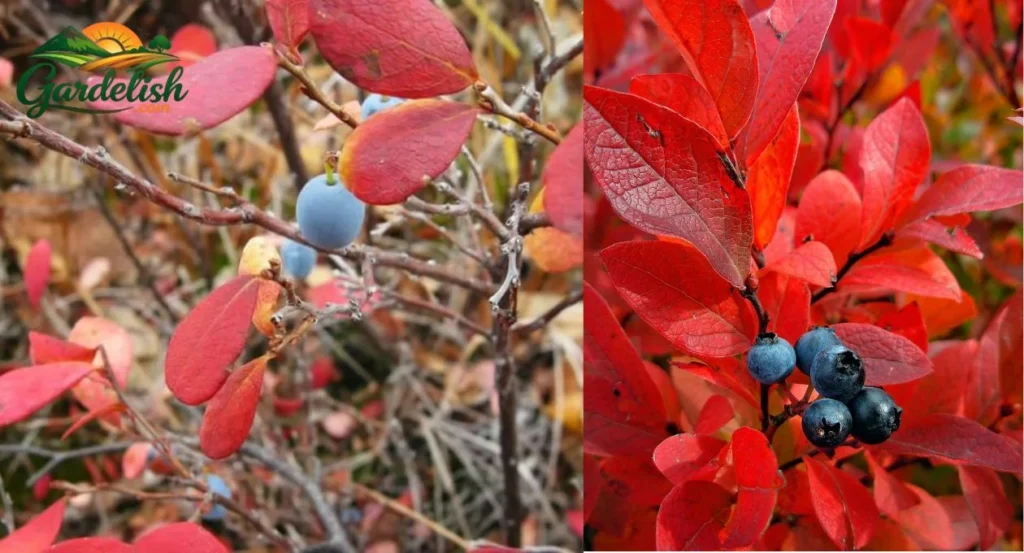
Blueberry leaves turning red can be completely normal, or it can be the first sign that the plant is struggling. In fall, red or maroon foliage is usually just seasonal color before leaf drop. In spring, it often follows cold nights, cold soil, or transplant stress. In summer, red leaves deserve closer attention because they may point to high soil pH, poor nutrient uptake, water stress, root rot, or disease. The fastest way to avoid the wrong fix is to check the season, leaf pattern, soil moisture, and soil pH before adding fertilizer. Cornell’s berry diagnostic tool notes that fall reddening is normal, while spring reddening can occur during cold weather and often fades as temperatures warm.
Quick Answer
Blueberry leaves turn red most often because of seasonal color, cold stress, incorrect soil pH, magnesium deficiency, water stress, or root problems. Fall red leaves are usually normal, but red leaves in spring or summer mean you should check soil pH, drainage, moisture, and recent weather. Blueberries grow best in acidic, well-drained soil, and high pH can block nutrient uptake even when nutrients are present. A soil test is the best first step before adding sulfur, fertilizer, or magnesium. University extension sources commonly recommend acidic soil in roughly the 4.0 to 5.5 range, depending on region and blueberry type.
Blueberry leaves turn red for normal seasonal reasons or because the plant is stressed
Red blueberry leaves are not a diagnosis by themselves. The same color can show up on a healthy bush in October, a newly planted bush in April, or a stressed plant in July. What matters is timing, pattern, and plant behavior.
When I look at a blueberry with red leaves, I first ask four questions:
- What season is it?
- Are the oldest leaves, newest leaves, or whole plant affected?
- Is the plant still growing, flowering, or fruiting normally?
- Is the soil acidic, moist, and well-drained?
That last point matters more than many beginners realize. Blueberries are shallow-rooted acid-loving shrubs. They do not behave like tomatoes, peppers, roses, or lawn grasses. A blueberry planted in ordinary garden soil, compost-heavy soil, or soil near concrete can look hungry even if the soil is full of nutrients because the pH is too high for proper uptake. Oregon State notes that high soil pH is one of the most common problems for home gardeners growing blueberries.
Red leaves in fall are usually normal and do not need treatment
If your blueberry leaves are turning red in fall, the plant is probably preparing for dormancy. Healthy blueberry bushes often develop beautiful shades of red, burgundy, orange, or purple as days shorten and temperatures drop. This is especially noticeable on highbush and half-high blueberries, and it is one reason blueberry shrubs are attractive edible landscape plants.
Normal fall reddening usually looks even across the plant. Leaves may stay attached for a while, then drop as winter approaches. The stems remain firm, buds look healthy, and the plant does not collapse. Cornell identifies fall reddening as a normal response to lower temperatures.
Do not fertilize a blueberry just because the leaves turn red in fall. Late feeding can push tender growth that may not harden before frost. In cold climates, your better fall job is simple: keep the soil lightly moist until freeze-up, refresh mulch, and protect young plants from rabbits or winter wind where needed.
Red leaves in spring often mean cold soil, transplant stress, or pH trouble
Spring red leaves are common after cold nights, late frosts, or a stretch of cloudy weather. Blueberries can leaf out before the soil has warmed enough for the roots to work efficiently. The foliage may look reddish, bronze, or purple, especially on new growth.
If the plant looks otherwise healthy, wait for warmer weather before reaching for fertilizer. Cold-related redness often improves naturally once soil temperatures rise and new growth begins. Cornell notes that spring reddish-purple color can occur in cold weather and disappear as temperatures warm.
Newly planted blueberries may also redden because the roots are adjusting. This is especially common when plants move from a nursery pot into heavier garden soil. The mistake I see most often is watering every day “to help it settle.” Blueberry roots need moisture, but they also need oxygen. Soggy soil can damage fine roots and make the leaves look worse.
Check moisture with your finger before watering. If the soil is cool and sticks to your finger an inch or two below the mulch, do not water yet. If it feels dry at root depth, water slowly and deeply.
Red leaves in summer usually point to stress, poor pH, water problems, or disease
Summer is when red blueberry leaves need the most attention. A healthy blueberry in active growth should usually carry green leaves, with some reddish tint possible on young leaves or certain cultivars. Widespread red leaves in June, July, or August often mean the plant is struggling to move water or nutrients.
The most common summer causes are:
| What you see | Most likely cause | What to check first |
| Red or purple leaves with slow growth | Soil pH too high or nutrient uptake problem | Soil pH test |
| Red margins on older lower leaves | Magnesium deficiency pattern | Soil or leaf test |
| Yellowing between veins, then red areas | Magnesium or iron-related issue | Leaf age and vein pattern |
| Red leaves plus wilting or stunting | Root rot, drought, or drainage problem | Root zone moisture and drainage |
| Red-brown spots, mildew, distorted leaves | Leaf disease | Leaf undersides and pattern |
| Marginal scorch with leaf drop | Drought, fertilizer burn, root rot, or bacterial scorch | Watering history and branch pattern |
Magnesium deficiency has a recognizable look: yellowing between veins that can progress to bright red, often on leaves near the base of young shoots. Cornell and MSU both describe magnesium deficiency as affecting older or lower leaves first, while young shoot-tip leaves are often less affected.
Phosphorus deficiency can cause purple coloration, but it is often blamed too quickly. Cornell notes that phosphorus deficiency is rarely observed in the field, and MSU says field plants seldom respond to phosphorus applications. That is why soil testing matters before adding phosphorus.
Test soil pH first because blueberries cannot feed properly in alkaline soil
For blueberries, pH is not a small detail. It controls whether the plant can access nutrients. Most home garden soils are not naturally acidic enough, and vegetable compost, lime, wood ash, lawn history, irrigation water, and nearby concrete can all push pH too high.
University of Minnesota recommends soil testing and says blueberries require acidic soil, with pH over 5.5 being too high for blueberries. Oregon State describes 4.5 to 5.5 as the adapted range and warns that composts, sidewalks, foundations, and alkaline regional soils can raise pH.
How to check pH properly
- Pull mulch back from several spots around the dripline.
- Take small soil samples from the root zone, not from just one hole.
- Mix the samples in a clean container.
- Send the sample to a local extension soil lab, or use a reliable home pH meter as a rough first check.
- Test irrigation water too if you use well water or live in an alkaline region.
A cheap color strip can give you a clue, but it should not be the basis for heavy sulfur applications. Too much sulfur can injure roots, and established blueberries respond better to gradual correction than aggressive rescue attempts.
Fix red blueberry leaves by correcting pH, watering, mulch, and nutrition in that order
Do not start with Epsom salt or phosphorus fertilizer. Start with the root environment. Blueberries recover best when the soil is acidic, evenly moist, airy, and mulched.
Step-by-step fix
- Check the season. Fall color needs no fix. Spring cold stress may need time.
- Test soil pH. Aim for the acidic range recommended for your blueberry type and region.
- Correct drainage. If water sits after rain, improve drainage or move the plant to a raised bed.
- Adjust watering. Keep soil consistently moist, not soggy.
- Refresh mulch. Use pine bark, pine needles, sawdust, or wood mulch, keeping it off the crown.
- Feed lightly in spring. Use fertilizer labeled for acid-loving plants, following the label.
- Treat deficiencies only after testing. Magnesium sulfate can help confirmed magnesium deficiency, but it is not a cure for high pH, root rot, or drought.
Mature blueberries often need regular irrigation during dry periods. Mississippi State Extension notes that mature plants require about 1 to 2 inches of water per week for optimum performance and that mulch helps maintain uniform moisture in the root zone.
Avoid coffee grounds as a pH fix. They are unreliable for changing blueberry soil pH, and University of Minnesota specifically warns that coffee grounds should not be relied on as a pH amendment.
Use the leaf pattern to diagnose the most likely cause
A good diagnosis comes from the pattern, not just the color.
| Symptom | Possible causes | Solution | Prevention |
| Whole bush turns red in fall | Normal dormancy | Do nothing except normal fall care | Mulch before winter |
| Red-purple leaves in cold spring | Cold soil, cold nights | Wait for warming weather, avoid overwatering | Mulch roots and plant hardy varieties |
| Red leaves with poor growth | High pH, nutrient lockout | Soil test, adjust pH gradually | Test every 1 to 2 years |
| Older leaves red between green veins | Magnesium deficiency | Confirm with soil or leaf test, apply magnesium if needed | Maintain balanced acidic soil |
| Red leaves plus wilting | Drought, root rot, poor drainage | Check roots and soil moisture | Use raised beds in wet soil |
| Red edges with brown scorch | Drought, fertilizer burn, bacterial scorch, root damage | Review watering and fertilizer, inspect branches | Avoid overfeeding and water swings |
| Spots, distortion, mildew, early leaf drop | Fungal leaf disease | Remove badly affected leaves, improve airflow | Prune, avoid overhead watering |
Leaf disease can be confused with nutrient stress. NC State notes that abiotic symptoms such as drought stress or fertilizer burn can mimic leaf spots, and that early powdery mildew can cause distortion and reddening.
Root rot is another important lookalike. Phytophthora root rot can cause stunting, yellowing, premature red leaves, leaf scorch, and decline, especially where drainage is poor. The Pacific Northwest Plant Disease Handbook describes undersized chlorotic leaves that may turn red prematurely as root systems become compromised.
Prevent red leaves by keeping roots cool, acidic, moist, and well-drained
The best blueberry care is preventative. Most red-leaf problems begin below ground weeks before the foliage changes color.
Use this seasonal checklist:
| Season | What to do |
| Late winter | Prune dead, weak, crossing, or unproductive canes before growth starts |
| Spring | Fertilize lightly with acid-loving fertilizer if needed, then water in well |
| Late spring | Refresh mulch after soil warms |
| Summer | Water deeply during dry spells and watch for scorch, wilting, or leaf spots |
| Late summer | Avoid heavy nitrogen feeding |
| Fall | Test pH if growth was poor, refresh mulch, enjoy normal red foliage |
| Winter | Protect young plants from rabbits, wind, and container root freeze |
Mulch is one of the simplest ways to keep blueberries steady. A 2 to 4-inch layer of pine bark, aged sawdust, pine needles, or shredded wood keeps roots cooler, protects shallow feeder roots, and reduces moisture swings. New Hampshire Extension recommends mulch for conserving soil moisture and reducing weed competition, while warning against piling mulch against the crown.
For containers, use an acidic potting mix rather than garden soil. Container blueberries dry faster and their pH can drift with tap water, so check moisture often and repot when the mix breaks down.
Call your extension office when red leaves come with dieback, scorch, or rapid decline
Some red leaves are not simple pH stress. Get help if you see sudden branch dieback, blighted flowers, red line patterns, yellow twigs, heavy leaf drop, or a bush declining while nearby plants look healthy.
Bacterial leaf scorch can begin as marginal leaf scorch that resembles drought, fertilizer burn, or root rot. Georgia CAES notes that scorched leaves may drop while yellowed stems and twigs become visible.
Blueberry viruses can also create confusing symptoms. Blueberry shock may cause blighting and, in some cases, red ringspots, while blueberry scorch can show red line patterns or marginal chlorosis depending on cultivar and strain. These diseases require accurate diagnosis because fertilizer and pH correction will not cure a virus.
FAQs About Blueberry Leaves Turning Red
Are red blueberry leaves always bad?
No. Red blueberry leaves are normal in fall and can also happen briefly in cold spring weather. The timing matters most. Red leaves in summer, especially with poor growth, wilting, spots, or leaf drop, are more concerning and usually point to stress, incorrect pH, water problems, nutrient deficiency, or disease.
Should I add Epsom salt when blueberry leaves turn red?
Only add Epsom salt if magnesium deficiency is likely or confirmed. Magnesium deficiency usually shows as yellowing between veins that progresses to red, often on older lower leaves. If the real problem is high pH, overwatering, or root rot, Epsom salt will not fix it and may delay the proper treatment.
Can high soil pH make blueberry leaves red?
Yes. High soil pH can prevent blueberries from taking up nutrients properly, even when nutrients are present in the soil. This often causes slow growth, discolored leaves, and weak plants. Test the soil before treating. If pH is too high, use sulfur or another recommended acidifying approach gradually.
Why are my newly planted blueberry leaves turning red?
Newly planted blueberries often redden from transplant stress, cold weather, inconsistent watering, or a mismatch between nursery mix and garden soil. Keep the soil moist but not soggy, mulch lightly, and avoid heavy feeding. If the plant stays red and growth stalls, test the soil pH and check drainage.
Why are my blueberry leaves red and falling off?
In fall, red leaves dropping is normal. During the growing season, red leaves falling off may mean drought stress, overwatering, root rot, fertilizer burn, or leaf disease. Check the soil first. If the root zone is soggy or smells sour, drainage may be the main issue. If leaves have spots or mildew, inspect for disease.
Can blueberries recover from red leaves?
Yes, blueberries can recover if the cause is cold stress, mild transplant shock, pH imbalance, or manageable nutrient deficiency. Recovery is slower when roots are damaged. Correct the growing conditions first, then wait for new growth. Old red leaves may not turn green again, but healthy new leaves are a good sign.
Do blueberry leaves turn red from too much sun?
Full sun is usually good for blueberries, but heat, drought, and dry containers can cause scorch or red stress coloring. In very hot climates, afternoon shade may help young or potted plants. The real issue is often not sunlight alone, but roots drying out faster than the plant can replace moisture.
Conclusion
Blueberry leaves turning red are easiest to fix when you diagnose by season and pattern. Fall color is usually normal. Spring redness often comes from cold soil or transplant stress. Summer redness is the warning sign to take seriously, especially when it appears with slow growth, wilting, scorching, leaf spots, or early leaf drop. Start with the basics: test soil pH, check drainage, water consistently, and maintain mulch over the shallow root zone. Avoid guessing with phosphorus fertilizer, Epsom salt, or coffee grounds before you know what the plant actually needs. A blueberry bush with acidic soil, steady moisture, good drainage, and light spring feeding is far less likely to develop stress-related red leaves, and far more likely to reward you with strong growth and better fruit.
Why Are My Grape Vine Leaves Turning Yellow? Causes, Fixes, and Prevention