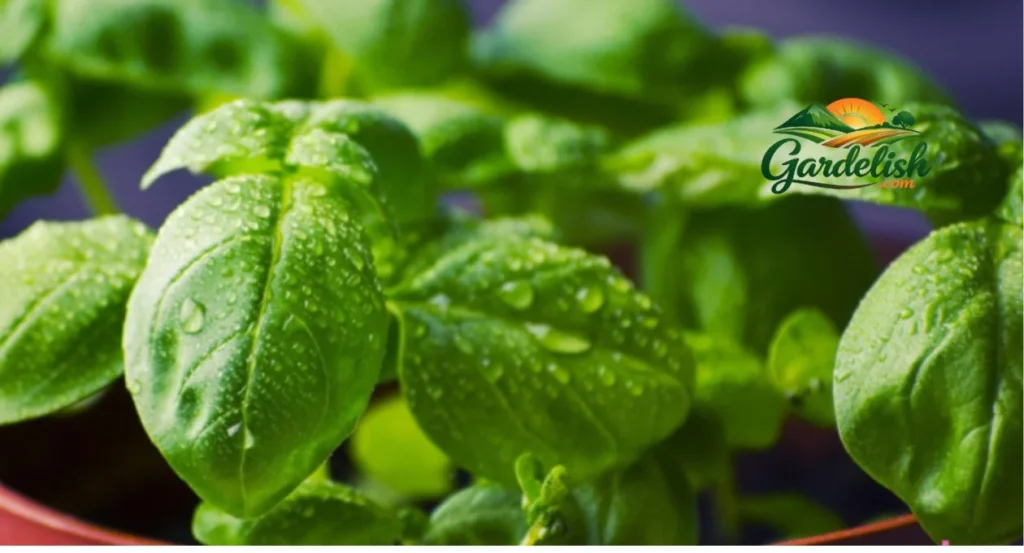
A basil shortage can be frustrating when you rely on fresh basil for pesto, pasta, tomato salads, soups, and summer cooking. The good news is that basil is one of the easiest culinary herbs to grow at home, even if stores or garden centers run low.
Basil shortages usually happen because of weather problems, disease pressure, nursery delays, transport issues, or a sudden rise in seasonal demand. Since basil is tender, fast-growing, and sensitive to cold, heat, moisture, and handling, even small disruptions can affect supply.
For gardeners, the best solution is simple: grow your own basil from seed, cuttings, or container plants. With warm temperatures, good sunlight, steady watering, and regular pruning, a few healthy basil plants can provide fresh leaves for weeks.
What Causes a Basil Shortage?
A basil shortage does not usually come from one single issue. It often happens when several growing and supply problems overlap.
Fresh basil is more delicate than woody herbs like rosemary, sage, or thyme. Its soft leaves bruise easily, wilt quickly, and do not tolerate cold storage well. That makes basil harder to ship and store, especially during hot or unstable weather.
Common causes include:
- Poor spring or summer weather
- Cold nights delaying plant growth
- Excess rain or humidity increasing disease risk
- Heat waves stressing young plants
- Basil downy mildew affecting crops
- Seedling shortages at nurseries
- Higher demand during tomato and pesto season
- Shipping and storage problems
Basil grows best in warm, stable conditions. When those conditions are disrupted, both commercial growers and home gardeners can see slower growth, weaker plants, or lower harvests.
Why Basil Is More Sensitive Than Many Other Herbs
Basil, especially sweet basil (Ocimum basilicum), is a tender annual herb. It thrives in warm weather but struggles with cold soil, frost, waterlogged roots, and poor airflow.
Unlike Mediterranean herbs such as lavender, oregano, and rosemary, basil prefers richer soil and more consistent moisture. It grows quickly, but that quick growth also means it needs regular care.
Cold temperatures can stunt basil. Too much moisture can encourage fungal disease. Intense heat without enough water can cause wilting and leaf stress. Crowded planting can increase humidity around the leaves, making disease more likely.
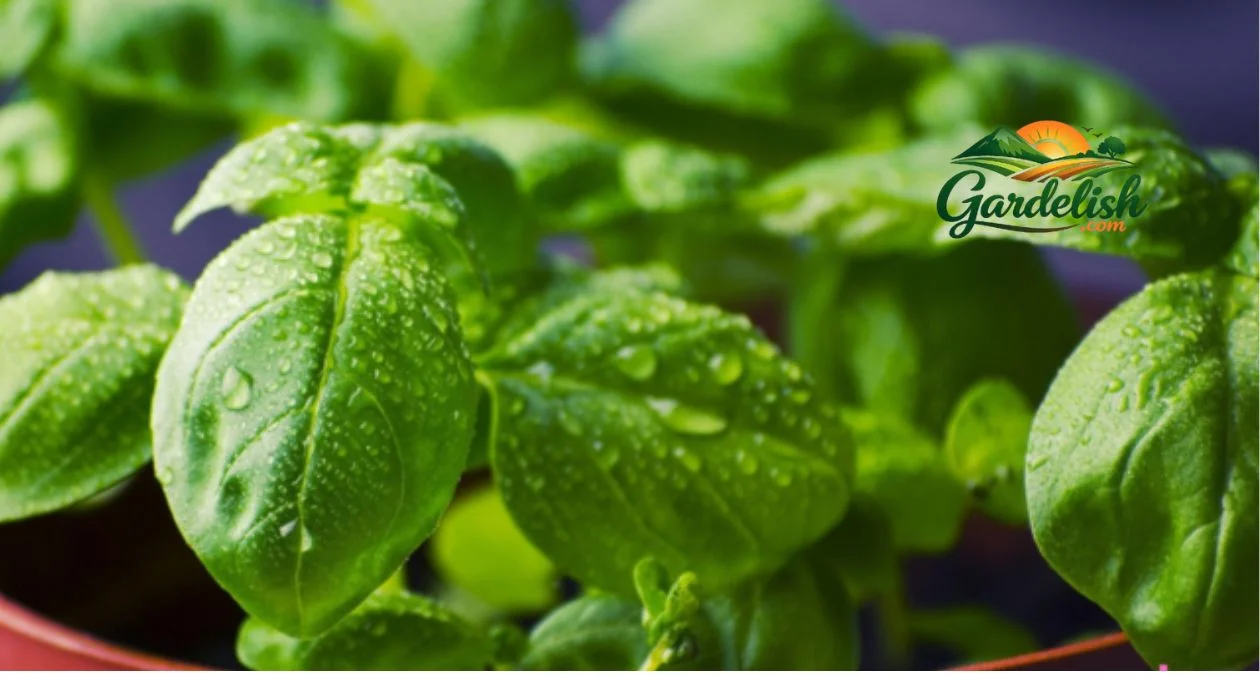
This sensitivity is one reason a basil shortage can appear suddenly. If growers lose young plants early in the season or disease spreads through dense crops, fresh basil becomes harder to find.
How to Grow Your Own Basil During a Basil Shortage
The most reliable way to avoid a basil shortage is to grow basil at home. You do not need a large vegetable garden. Basil grows well in raised beds, herb gardens, containers, balcony planters, and sunny kitchen-door pots.
Start basil from seed indoors 4–6 weeks before your last frost date, or sow seeds outdoors once nights are warm. Basil seeds germinate best in warm soil, so avoid planting too early in cold spring conditions.
Sow seeds lightly and cover them with a thin layer of seed-starting mix. Keep the soil evenly moist, not soggy. Once seedlings have several true leaves, thin them so each plant has room to branch.
You can also grow basil from cuttings. Take a healthy 4–6 inch stem, remove the lower leaves, and place it in water. Once roots form, plant the cutting in fresh potting mix. This is one of the fastest ways to create more basil plants from one healthy stem.
Popular basil types include:
- Genovese basil for pesto and Italian cooking
- Thai basil for stir-fries, curries, and noodle dishes
- Lemon basil for salads, fish, and summer drinks
- Purple basil for color and mild spice
- Greek basil for compact container growing
If basil downy mildew is common in your area, look for disease-resistant varieties when available.
Best Growing Conditions for Healthy Basil
Basil grows best with full sun, warm temperatures, fertile soil, and steady moisture. In most gardens, it needs 6–8 hours of sunlight daily. In very hot climates, light afternoon shade can help reduce stress.
The soil should be loose, rich, and well-draining. In garden beds, mix in finished compost before planting. Compost improves soil texture, supports beneficial microbes, and helps roots access moisture and nutrients.
For containers, use a quality potting mix rather than heavy garden soil. Garden soil can compact in pots, limiting oxygen around the roots.
Water basil when the top inch of soil feels dry. Keep moisture consistent, especially in hot weather. Basil dislikes drying out completely, but soggy soil can cause root problems.
A light mulch around outdoor basil can help retain moisture and reduce soil splash. Straw, shredded leaves, or fine compost work well. Keep mulch slightly away from the main stem to prevent rot.
Basil does not need heavy feeding. Too much fertilizer can create soft, weak growth with less concentrated flavor. A balanced organic fertilizer or compost-based feeding every few weeks is usually enough, especially for container plants.
Growing Basil in Containers
Container basil is one of the easiest ways to keep fresh leaves available when store supplies are limited. Pots allow better control over soil, drainage, spacing, and location.
Choose a container at least 8–10 inches deep for one basil plant. Larger pots are better because they hold moisture more evenly. A 12-inch pot can support a strong, productive basil plant through the growing season.
Make sure the pot has drainage holes. Basil roots should never sit in standing water. If you use a saucer under the pot, empty it after watering.
Place container basil in a sunny spot near the kitchen, patio, balcony, or garden path. The closer it is to where you cook, the more likely you are to harvest it regularly.
Regular harvesting keeps basil bushy. If you let it grow untouched for too long, it may become tall, leggy, and quick to flower.
How to Harvest Basil for More Leaves
Harvesting basil correctly makes a big difference. Instead of picking random large leaves from the bottom, cut stems just above a pair of leaves or leaf nodes.
When you cut above a node, the plant usually sends out two new side shoots. This creates a fuller, bushier plant and increases future harvests.
Start pinching basil when plants are about 6–8 inches tall. Use clean scissors or garden snips. Harvest in the morning when leaves are fresh and fragrant.
Avoid removing more than one-third of the plant at one time unless you are doing a final harvest before frost.
Pinch off flower buds as soon as they appear if your goal is leaf production. Once basil flowers, the plant shifts energy away from leafy growth. The leaves may also become smaller and stronger in flavor.
If you have several plants, let one flower for bees and other pollinators, but keep your main kitchen plants trimmed.
Common Basil Problems and How to Prevent Them
Basil is easy to grow, but it can suffer from pests, disease, and stress.
Aphids, whiteflies, slugs, and Japanese beetles may feed on basil leaves. Check the undersides of leaves regularly. Small pest problems can often be managed with a firm spray of water or careful hand removal.
Basil downy mildew is one of the most serious basil diseases. It often appears as yellowing leaves, followed by gray or fuzzy growth on the underside of leaves. Humid conditions and poor airflow make it worse.
To reduce disease risk:
- Space plants properly
- Avoid overhead watering
- Water early in the day
- Remove infected leaves quickly
- Grow basil where air can move freely
- Avoid crowding plants in damp areas
Yellow leaves can be caused by overwatering, poor drainage, low nutrients, cold stress, or disease. Before adding fertilizer, check soil moisture and root conditions.
Strong basil plants usually begin with simple care: warm soil, enough sun, clean watering habits, and regular harvesting.
Can You Grow Basil Indoors?
Yes, basil can grow indoors, but it needs strong light. A bright windowsill may keep basil alive, but it may not produce thick, healthy growth unless the light is strong enough.
A south-facing window is best in many homes. If natural light is weak, use a grow light for more consistent results.
Indoor basil needs:
- Bright light
- Warm temperatures
- Good drainage
- Fresh potting mix
- Regular watering
- Frequent pinching
Avoid placing basil near cold windows, heating vents, or drafty doors. Basil prefers warmth and steady conditions.
Indoor basil often performs best as a short-term crop. Instead of trying to keep one old plant alive forever, sow new seeds every few weeks or root fresh cuttings.
How to Preserve Basil When Fresh Leaves Are Limited
If you have a good harvest, preserve extra basil so you are less affected by future shortages.
Freezing is one of the best ways to keep basil flavor. Chop clean leaves and freeze them in ice cube trays with water or olive oil. These cubes can be added to sauces, soups, stews, and pasta dishes.
You can also blend basil with olive oil and freeze it as a simple puree. For pesto, freeze small portions in containers or trays, then thaw only what you need.
Drying basil is possible, but dried basil has a softer flavor than fresh. It works best in cooked dishes rather than fresh salads.
When fresh basil is unavailable, use substitutes based on the recipe. Thai basil works well in Asian-inspired dishes. Parsley with a little mint can add freshness to salads. Oregano or marjoram can work in cooked tomato sauces, though they will not taste exactly like basil.
Conclusion: A Basil Shortage Is a Good Reason to Grow Your Own
A basil shortage can be inconvenient, but it is also a reminder of how useful home herb gardening can be. Basil grows quickly, roots easily from cuttings, and produces repeated harvests when cared for properly.
The best approach is to start early, grow more than one plant, use containers if space is limited, and harvest regularly. With warm weather, good soil, steady moisture, and proper pruning, you can enjoy fresh basil even when shops have limited supply.
Growing your own basil gives you better flavor, fresher leaves, and more control over your kitchen herb supply.
FAQs
1. Why is there a basil shortage?
A basil shortage can happen because of weather problems, plant disease, nursery delays, transport issues, or increased seasonal demand for fresh herbs.
Can I grow basil from seed if plants are unavailable?
Yes. Basil grows well from seed in warm soil. Start seeds indoors before the last frost or sow outdoors once nights are consistently warm.
What is the fastest way to grow more basil?
The fastest method is often rooting basil cuttings. Place a healthy stem in water, wait for roots to form, then plant it in potting mix.
How do I keep basil producing more leaves?
Cut stems just above a pair of leaves. This encourages branching and helps the plant grow fuller instead of tall and leggy.
Can basil grow indoors during winter?
Yes, but it needs strong light, warmth, good drainage, and regular pruning. A grow light usually gives better results than a dim windowsill.