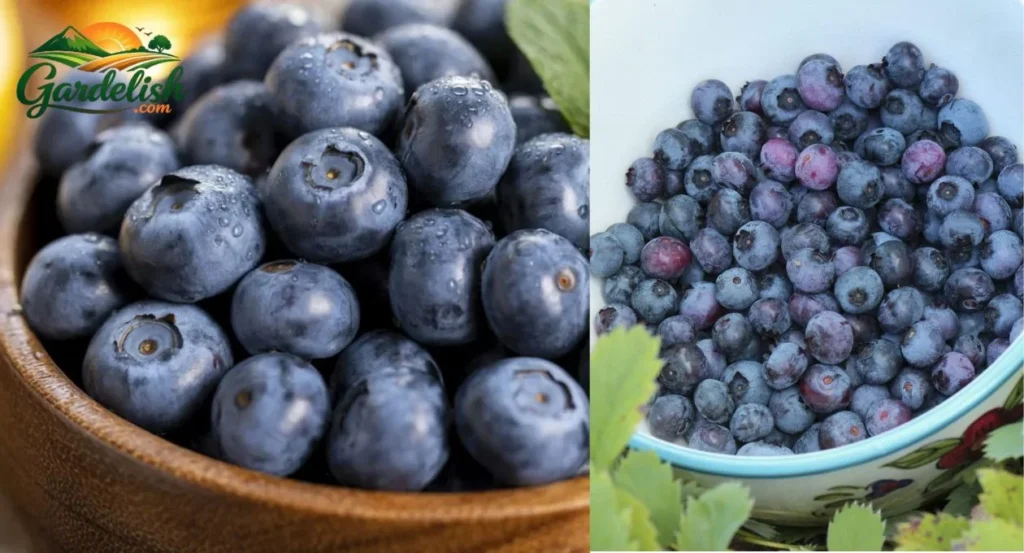
Sour blueberries usually come down to one of three things: they were picked too early, the plant was stressed while the fruit was ripening, or the variety naturally leans tart. The tricky part is that blueberries can look ripe before they taste ripe. I have seen plenty of gardeners pick as soon as the berries turn blue, only to get fruit that is firm, sharp, and disappointing. A few more days on the bush often makes the biggest difference. If the fruit stays sour every year, look deeper at sunlight, soil pH, watering, pruning, pollination, and cultivar choice.
Sour blueberries usually need more time on the bush
Quick answer: Blueberries are often sour because they are harvested too soon, even after they turn fully blue. Leave blue berries on the bush for several more days, taste before picking, and harvest in several passes rather than stripping the whole cluster. Blueberries also need acidic soil, steady moisture, full sun, and balanced pruning to develop good flavor. Once picked, fruit quality does not improve in the same way it does on the plant, so timing matters.
Blueberries are often underripe even when they look blue
The most common answer to why are my blueberries sour is simple: the berries looked ready before they had finished ripening.
A blueberry can turn blue before its sugars have fully built up and before its acidity has mellowed. Oregon State University Extension notes that blueberries are not yet fully ripe when they first turn blue. If left a few more days, they develop better flavor, become sweeter and less acidic, and may increase up to 20% in size.
What gardeners usually notice first is a berry that is blue on the outside but still has a slightly reddish or greenish tone near the stem end. It may cling to the plant instead of rolling off easily. When you bite it, the skin feels firm and the flavor is more lemony than sweet.
A good picking rule is this: do not harvest by color alone. Harvest by color, touch, and taste.
How to check if blueberries are truly ripe
- Look for berries that are fully blue, including the stem end.
- Wait several days after the first full-blue color appears.
- Gently roll a berry between your fingers. A ripe one should release easily.
- Taste three or four berries from different parts of the bush.
- Pick only the berries that come away cleanly, then return later for the rest.
Blueberries do not ripen evenly across a cluster. On the same stem, one berry may be sweet, one may be bland, and another may still be sour. That is normal.
The fastest fix is to pick in several harvests instead of all at once
If your berries are sour this week, the best immediate fix is patience. Leave the remaining blue berries on the plant for three to seven more days, then taste again.
During hot or rainy weather, check more often. OSU Extension recommends picking regularly during harvest and notes that fruit may need more frequent picking in hot or wet conditions. Wet berries also decay faster, so avoid picking after rain, fog, or heavy dew when possible.
| What you see | Likely cause | Best fix |
| Blue berries taste sharp and firm | Picked too early | Wait several more days and taste before harvesting |
| Some berries sweet, some sour in same cluster | Uneven ripening | Harvest in passes, not by whole clusters |
| Small berries with weak flavor | Drought, overcropping, poor pruning, or cultivar | Improve watering, prune in winter, thin young plants |
| Sour berries every year | Tart variety or poor site | Add a sweeter cultivar, increase sun, test soil |
| Sour smell, soft fruit, leaking berries | Spoilage or spotted wing drosophila | Remove damaged fruit, refrigerate quickly, improve sanitation |
High soil pH weakens the plant and can reduce fruit quality
Blueberries are acid-loving plants. They need acidic, well-drained soil with plenty of organic matter. University of Minnesota Extension gives an ideal pH range of 4.0 to 5.5, while RHS lists 4.5 to 5.5 as ideal. If the pH rises above the proper range, blueberry roots struggle to take up nutrients, growth slows, leaves discolor, and the plant may decline.
High pH does not make berries sour in a direct “acid soil equals acid fruit” way. The problem is plant stress. A bush that is fighting alkaline soil often grows weak canes, fewer leaves, and smaller fruit. Less healthy foliage means less carbohydrate production, and that can show up as poorer flavor.
Gardeners often try coffee grounds here. I would not rely on them. University of Minnesota Extension specifically warns that coffee grounds are not a dependable way to lower soil pH for blueberries. Elemental sulfur is more reliable, but it takes months to work, so it is best applied well before planting or adjusted gradually based on a soil test.
How to fix soil pH for sweeter future crops
- Test the soil pH before adding anything.
- If pH is too high, use elemental sulfur according to the soil test or product label.
- Give sulfur time to work, usually several months.
- Mulch with pine bark, wood chips, sawdust, or other suitable organic mulch.
- Retest every year or two.
- If your native soil is alkaline or heavy clay, grow blueberries in a large container with ericaceous potting mix.
For potted blueberries, refresh the top layer of mix yearly and water with rainwater when practical, especially in areas with alkaline tap water.
Water stress, heat, and shade can make blueberries taste flat or sharp
Blueberries have shallow, fibrous roots, so they feel drought quickly. During fruiting, inconsistent moisture can leave berries small, firm, and tart. OSU Extension recommends adequate water during fruit production for best yield and fruit quality, with established plants needing roughly 1.5 to 3 inches of water per week depending on weather, soil, plant age, and growth stage.
The mistake I see most often is light sprinkling. It wets the mulch but not the root zone. Blueberries prefer steady moisture, not soggy soil. Standing water can damage roots, but dry spells during berry swell are just as frustrating for flavor.
Sun matters too. Blueberries fruit best in full sun, although some afternoon shade can help in hotter regions. In too much shade, plants may crop lightly and fruit may stay less flavorful. OSU Extension notes that partial shade can reduce yield and fruit quality.
A practical watering check
Push your finger through the mulch and into the soil. If the top inch is dry but the soil below is lightly moist, you are usually fine. If the root zone is dry several inches down during berry swell, water deeply. If the soil smells sour or stays muddy, improve drainage or move container plants to a freer-draining mix.
Overcropping and poor pruning can delay ripening and reduce sweetness
A blueberry bush can carry more fruit than it can ripen well. This happens often on vigorous rabbiteye varieties, neglected mature bushes, and young plants allowed to fruit too heavily too soon.
University of Georgia Extension explains that overcropping can reduce berry size and quality, delay ripening, and lead to lower sugar levels because the plant does not have enough carbohydrates to support all the fruit. Pruning helps by reducing excess flower buds and improving the balance between leaves and fruit.
Young plants are a special case. It is tempting to keep the first flowers, but letting a small newly planted bush crop heavily usually slows establishment. A stronger root system and more cane growth will give you better berries later.
How to prune for better blueberry flavor
- Prune while plants are dormant, usually late winter to early spring after the worst cold has passed.
- Remove dead, weak, crossing, and twiggy growth.
- Keep strong young canes that will replace older wood.
- Thin congested fruiting laterals so the bush is not carrying too many flower buds.
- On young or weak plants, remove more fruit buds so the plant can build size.
- Avoid heavy nitrogen late in the season because it can push soft growth instead of helping fruit ripen well.
Blueberries fruit mostly on last year’s growth, so pruning is not about shearing the plant into shape. It is about keeping a steady supply of healthy new wood and enough leaves to feed the crop.
Variety and climate decide how sweet blueberries can get
Some blueberries are naturally tangier than others. Wild and lowbush types often have intense flavor with more tartness. Some older rabbiteye cultivars can be excellent when fully ripe but sharp if picked early. Large-fruited highbush cultivars vary widely too.
Choose cultivars suited to your USDA zone and chill hours. Northern highbush and half-high blueberries are better suited to colder regions, while southern highbush and rabbiteye types are used more in warmer climates. OSU Extension notes that cross-pollination improves berry size and quantity in northern highbush, half-high, and rabbiteye blueberries, and that planting more than one cultivar can also extend the harvest season.
Poor pollination can also affect fruit size and ripening. Cool, rainy, windy, or very hot weather during bloom can limit bee activity. University of Georgia Extension notes that pollination affects seed development, fruit size, berry weight, and proper ripening.
For home gardens, plant at least two compatible varieties that bloom at the same time. Add flowers nearby that support bees, avoid spraying insecticides during bloom, and give bushes morning sun so flowers dry quickly after rain.
Sour or fermented blueberries may be spoiled, not underripe
There is a difference between tart and spoiled.
A tart blueberry tastes sharp but clean. A spoiled berry smells fermented, vinegary, or musty. It may leak juice, collapse, or develop sunken spots. In late summer, especially where spotted wing drosophila is active, berries can look acceptable at harvest but soften quickly afterward. University of Minnesota Extension notes that spotted wing drosophila larvae feed inside ripening blueberries and that infested fruit can develop a fermented or sour smell.
What to do if berries smell sour
- Remove soft, leaking, or damaged fruit from the bush and ground.
- Harvest ripe fruit promptly instead of letting it hang too long.
- Refrigerate berries soon after picking.
- Do not wash berries before storage unless you dry them very thoroughly.
- Use fine insect netting before fruit starts coloring if spotted wing drosophila is a recurring issue.
- Keep the planting open with pruning so fruit dries faster after rain.
Already-picked sour blueberries are best used in cooking
Once blueberries are picked, do not expect them to become richly sweet on the counter. UGA Extension states that blueberry fruit quality does not improve after harvest. They may soften, but the flavor will not develop the way it does when berries remain on a healthy plant.
Use sour blueberries where acidity is an advantage:
| Use | Why it works |
| Jam or compote | Sugar balances acidity and cooking concentrates flavor |
| Muffins or pancakes | Tart berries brighten sweet batter |
| Smoothies | Banana, dates, or honey soften the sharpness |
| Pie filling | Sugar and heat round out the flavor |
| Salad dressing | Sour berries blend well with vinegar and olive oil |
For fresh eating, chill them first. Cold berries often taste less aggressively tart than warm ones.
A seasonal care plan prevents sour blueberries next year
| Season | What to do | Why it helps flavor |
| Late winter | Prune weak, old, crowded, and excessive fruiting wood | Balances crop load and improves ripening |
| Spring | Protect blooms from frost where possible and encourage pollinators | Better pollination improves berry development |
| Late spring | Mulch and begin consistent watering | Protects shallow roots and supports fruit swell |
| Early summer | Check soil moisture deeply, not just at the surface | Prevents drought stress during ripening |
| Harvest season | Wait several days after berries turn blue and pick in passes | Allows sugars to rise and acids to mellow |
| Late summer to fall | Test soil pH and amend if needed | Builds a healthier plant for next year |
| Winter | Protect container plants and roots from freeze-thaw stress | Reduces cane and root injury |
These answers solve the most common sour blueberry questions
Why are my blueberries sour even though they are blue?
They probably need more time. Blueberries often turn blue before they reach peak flavor. Wait a few more days, then taste before picking. A ripe berry should be fully blue, slightly plump, and easy to roll off the stem. If the same bush stays sour every year, check variety, sunlight, soil pH, water, and pruning.
Can I sweeten blueberries after picking?
Not much. Already-picked blueberries may soften, but their best flavor develops on the bush. Use sour berries in jam, compote, muffins, smoothies, pancakes, or pie where sugar and cooking balance the acidity. For fresh eating, remove any soft or fermented berries and chill the rest before serving.
Does acidic soil make blueberries taste sour?
No, acidic soil does not directly make the fruit sour. Blueberries need acidic soil to absorb nutrients and grow properly. When soil pH is too high, the plant becomes stressed, which can lead to weak growth and poor-quality fruit. Test soil before making changes and use sulfur carefully if pH needs lowering.
How long should blueberries stay on the bush after turning blue?
Usually a few extra days, sometimes close to a week depending on weather and cultivar. The best test is taste and release. If berries are still firm and cling tightly, wait. If they roll off easily and taste sweet, start picking. Harvest every few days rather than stripping the whole bush.
Do blueberries get sweeter with more sun?
Yes, up to a point. Blueberries generally produce better crops and better-flavored fruit in full sun. In very hot climates, light afternoon shade can help reduce heat stress, but deep shade usually means fewer berries and weaker flavor. Aim for morning sun, good air movement, and steady soil moisture.
Why are my potted blueberries sour?
Potted blueberries often turn sour when the container dries out, the potting mix loses acidity, or the plant is underfed or overcropped. Use a large container, ericaceous potting mix, steady watering, and acid-loving fertilizer. Refresh the top layer of mix yearly and protect pots from extreme heat and winter root damage.
Should I remove flowers from young blueberry plants?
Yes, on very young or weak plants, removing flowers helps the bush establish roots and can improve future harvest quality. A small plant carrying too many berries often produces small, tart fruit and grows slowly. Let the plant build strong canes first, then allow heavier cropping as it matures.
Conclusion
Sour blueberries are usually a sign that the berries were picked too early, the plant was under stress, or the variety naturally has a sharper flavor. The first fix is simple: leave blue berries on the bush for several more days and harvest only the ones that release easily. For better flavor next season, focus on acidic soil, steady watering, full sun, good mulch, winter pruning, and proper pollination. Blueberries are not difficult once their basic needs are right, but they do not forgive rushed harvesting or dry roots during fruiting. My best advice is to taste before every harvest, pick in several rounds, and keep the plant healthy through the whole season. That is what produces plump, sweet berries instead of firm, sour ones.
Grape Harvest Forecast: When Grapes Will Be Ready and How to Pick Them at Their Best