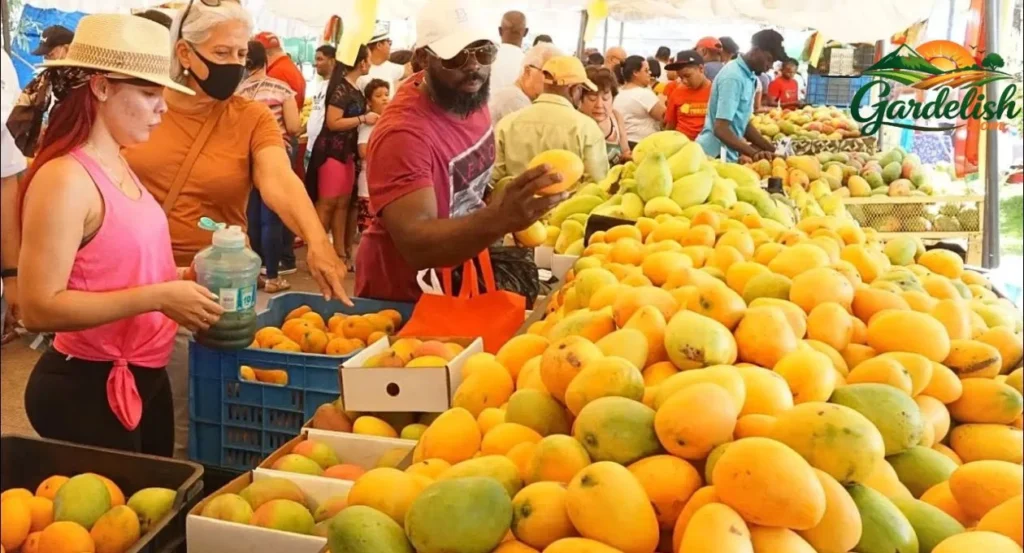
Mango season in Florida usually begins in late spring and runs through summer, with many home gardeners harvesting fruit from May through August, depending on the variety, location, bloom timing, and weather. In South Florida, where mango trees thrive best, some varieties can ripen earlier or later, and local conditions may stretch the season beyond the main summer window.
For gardeners, mango season is more than a harvest date on the calendar. It is the result of winter bloom, spring fruit set, summer heat, proper watering, disease prevention, pruning, and patience. A healthy mango tree, Mangifera indica, can become one of the most rewarding edible landscape trees in Florida, especially in warm coastal and subtropical areas where frost is rare.
When Is Mango Season in Florida?
The main mango season in Florida typically falls between May and August, although some sources describe a broader South Florida season from May through October because different cultivars ripen at different times and weather can shift the harvest window.
For most backyard growers, June and July are often the months when mango trees feel most generous. Early cultivars may start coloring in May, while later varieties can hold fruit into late summer. In especially warm parts of South Florida, a long mango season is possible when multiple varieties are planted together.
Florida mango trees usually bloom from December to April, depending on climate and variety. After flowering, fruit development continues through spring and early summer, so the harvest you enjoy in June often began months earlier with winter bloom and insect pollination.
A simple way to remember the season is this: flowers in winter, fruit set in spring, harvest in summer.
Why Florida Mango Season Varies by Region
Mangoes love heat, sun, and mild winters. That is why South Florida, especially areas such as Miami-Dade, Broward, Palm Beach, Collier, and parts of the Florida Keys, is strongly associated with backyard mango trees.

UF/IFAS notes that mango trees should be planted in full sun and in the warmest part of the landscape, away from areas that flood or remain wet after summer rain. This is important because mango roots dislike soggy soil, and wet conditions can increase disease pressure.
In Central Florida, mango growing becomes more challenging. Gardeners may still succeed in protected microclimates, near warm walls, close to large bodies of water, or with cold-hardy site selection, but frost risk is higher. In North Florida, mangoes are generally not reliable outdoor fruit trees unless grown in large containers and protected during cold weather.
Florida’s mango season also shifts from year to year because of:
Warm or cool winter temperatures
Rain during bloom
Humidity and fungal disease pressure
Tree health and pruning history
Cultivar selection
Pollination success
Hurricane or wind damage
Soil drainage and irrigation habits
A tree may bloom heavily and still set little fruit if pollination, fertilization, or weather conditions are poor. UF mango experts have noted that a strong bloom shows potential, but it does not guarantee a heavy crop because fruit set depends on several later factors.
Best Mango Varieties for a Longer Florida Harvest
One of the best ways to enjoy mango season in Florida for more than a few weeks is to plant more than one variety. Different mango cultivars ripen at different times, and a thoughtful selection can spread the harvest across early, midseason, and late summer.
Popular Florida mango varieties often include names such as ‘Haden’, ‘Kent’, ‘Keitt’, ‘Carrie’, ‘Glenn’, ‘Valencia Pride’, ‘Nam Doc Mai’, ‘Pickering’, ‘Cogshall’, and ‘Mallika’. Not every variety is right for every yard. Some grow large and vigorous, while others are better suited for smaller spaces or container culture.
For backyard gardeners, the best mango is not always the largest or most famous one. It is the tree that fits your space, stays manageable, produces reliably, and has fruit you actually enjoy eating.
If you have a small yard, look for compact or semi-dwarf habits. If your area has heavy summer humidity, disease tolerance matters. If you want fruit later in the season, a late-ripening cultivar can extend your harvest after early varieties are finished.
A useful internal link opportunity here would be a related guide on best fruit trees for small Florida gardens or how to choose mango varieties for backyard growing.
How to Tell When Florida Mangoes Are Ready to Pick
A mango does not need to be fully soft on the tree before harvest. In fact, waiting too long can invite squirrels, birds, raccoons, fruit flies, and splitting problems.
UF/IFAS seasonal care guidance recommends harvesting mangoes when the fruit is full-sized and begins to turn color, rather than leaving overripe fruit hanging too long where pests can become a problem.
Signs a mango may be ready to pick include:
The fruit has reached mature size
The shoulders near the stem look filled out
The skin color begins changing, depending on variety
The fruit gives off a mild sweet aroma
A mature fruit detaches with a gentle upward lift
The stem end may show slight yellowing or softening
Color alone can be misleading. Some mangoes ripen yellow, orange, or red, while others stay mostly green even when mature. ‘Keitt’, for example, can remain greenish while developing excellent flavor.
A practical backyard method is to pick one mature-looking fruit and let it ripen indoors at room temperature. If it softens evenly and tastes sweet, the rest of the crop is likely close behind. If it shrivels, tastes sour, or develops poor texture, the fruit may have been harvested too early.
Avoid chilling unripe mangoes. Let them ripen on the counter first, then refrigerate ripe fruit for short-term storage.
Growing Conditions That Support a Better Mango Season
A strong mango harvest begins with the right growing conditions. Mango trees perform best in full sun, warm temperatures, and well-drained soil. UF/IFAS lists mango as tolerant of sand, loam, clay, acidic, and alkaline soils, as long as drainage is good.
The ideal Florida mango site has:
Full sun for most of the day
Good air circulation
Protection from strong cold winds
Soil that drains quickly after rain
Enough room for canopy growth
Distance from buildings, power lines, and competing trees
Good drainage is especially important. Mango trees can tolerate Florida’s sandy soils, but they do not like standing water. If your yard has compacted soil or poor drainage, planting on a mound or improving the planting area with organic matter may help.
Mulch is useful, especially during hot summer months. A broad mulch ring helps conserve moisture, reduce weed competition, and protect soil structure. Keep mulch several inches away from the trunk to reduce rot problems.
This section offers a natural internal linking opportunity to articles on soil improvement, mulching fruit trees, composting for sandy Florida soil, and organic fertilizer basics.
Watering and Fertilizing Mango Trees During the Season
Mango trees are moderately drought tolerant once established, but young trees need consistent watering while roots develop. During fruit development, especially in dry spells, deep watering can help support healthy fruit growth. UF/IFAS seasonal care advice notes that regular deep watering is useful during summer fruit development and harvest.
For young mango trees, water deeply when the top few inches of soil dry out. Avoid daily shallow watering, which encourages weak surface roots. Established trees usually need less frequent irrigation, but they may benefit from supplemental water during extended dry weather.
Fertilizer should be balanced and moderate. Mangoes do not need excessive nitrogen, especially mature trees. Too much nitrogen can push leafy growth at the expense of flowering and fruiting. Many Florida gardeners use slow-release fruit tree fertilizer, compost, micronutrients, and mulch to maintain steady growth.

For bearing trees, pay attention to potassium, magnesium, manganese, zinc, and iron, especially in alkaline soils where micronutrient deficiencies can appear. Yellowing leaves may suggest nutrient issues, but symptoms can overlap with water stress, root problems, or soil pH imbalance.
Organic options include composted manure, compost, seaweed-based products, fish emulsion for young trees, and mineral amendments when soil tests show a need. A soil test is always better than guessing.
Pruning Mango Trees After Harvest
The best time to prune many Florida mango trees is soon after harvest. This allows the tree to regrow, harden new shoots, and prepare for the next bloom cycle.
Mangoes can become very large if left unmanaged. UF/IFAS notes that mango trees may grow into large landscape trees, and pruning can be important for controlling size and encouraging safer structure, especially in hurricane-prone areas.
Good mango pruning focuses on:
Reducing height gradually
Opening the canopy for airflow
Removing dead or crossing branches
Encouraging lateral branching
Keeping fruit within reachable height
Avoiding severe topping when possible
For a young mango tree, tipping new shoots can encourage branching and create a lower, fuller canopy. For older trees, avoid removing too much canopy at once. Heavy pruning may reduce the next crop because mangoes flower on mature shoots.
A manageable tree is usually more productive for a home gardener than a huge tree that holds fruit thirty feet in the air. Smaller trees are easier to spray, prune, inspect, protect, and harvest.
Common Mango Problems During Florida Mango Season
Florida’s warm, humid climate is wonderful for mango growth, but it also encourages fungal diseases and pests. Two of the most common disease concerns are anthracnose and powdery mildew.
UF/IFAS describes anthracnose symptoms as dark lesions on leaves and fruit, while powdery mildew can appear as white powdery growth on leaves and shoots. Regular monitoring and early action improve disease management.
Anthracnose is often worse during wet bloom periods. It can damage flowers, reduce fruit set, and blemish fruit. Powdery mildew can also affect flowers and young growth, especially when conditions favor disease development.
Practical prevention includes:
Planting in full sun
Improving airflow through pruning
Avoiding overhead watering when possible
Removing diseased plant debris
Keeping trees healthy but not overfertilized
Choosing suitable cultivars for humid areas
Monitoring bloom and young fruit carefully
Pests may include scale insects, mites, thrips, fruit flies, and other fruit-feeding wildlife. UF/IFAS seasonal advice mentions watching for fruit flies, scale insects, and mites during the summer harvest period.
For organic gardeners, horticultural oils, sanitation, pruning, traps, and careful monitoring can be part of an integrated pest management approach. Always follow local extension guidance and label directions for any spray product.
Can You Grow Mangoes in Containers in Florida?
Yes, mangoes can be grown in containers in Florida, especially compact varieties, but container mangoes need more attentive care than in-ground trees.
Container growing is useful for gardeners in marginal climates because the tree can be moved or protected during cold weather. It is also helpful for patios, small yards, rental homes, and urban gardens.
Choose a large container with excellent drainage. Use a well-draining potting mix rather than heavy garden soil. A compact grafted mango is much better than a random seedling if your goal is reliable fruit.
Container mango care includes:
Full sun exposure
Consistent watering without waterlogging
Slow-release fertilizer in small, steady amounts
Root-zone temperature protection
Annual pruning to control size
Repotting or root pruning as needed
A container mango will dry out faster than an in-ground tree in summer. During hot, windy weather, check moisture regularly. At the same time, never let the pot sit in standing water.
If you are growing mangoes north of South Florida, container culture gives you more control. Move the tree into a protected area before cold snaps, especially when temperatures approach damaging levels for tropical fruit trees.
How to Enjoy and Store Your Florida Mango Harvest
A good mango season can quickly turn into a kitchen event. One day you are waiting for the first fruit to soften, and the next day the counter is full.
Sort your harvest by ripeness. Keep firm, mature mangoes at room temperature. Use soft, fragrant fruit first. Refrigerate ripe mangoes only after they have softened, and use them within a few days for best flavor.
Fresh mangoes are excellent in:
Fruit salads
Smoothies
Salsas
Chutneys
Mango bread
Sorbet
Rice bowls
Grilled fish or chicken dishes
Homemade jam
Frozen mango cubes
To freeze mangoes, peel and cut ripe fruit into chunks, spread them on a tray, freeze until firm, then store them in freezer bags. This keeps pieces from clumping and makes them easier to use in smoothies.
If your tree produces more than your household can use, share fruit quickly. Backyard mangoes are part of Florida’s summer culture, especially in South Florida communities where neighbors often trade, gift, and compare varieties during peak season.
Conclusion: Making the Most of Mango Season in Florida
Mango Season in Florida is a summer reward built on months of tree care, warm weather, good timing, and variety selection. Most home gardeners can expect the main harvest from May through August, though South Florida’s long warm season and diverse cultivars can stretch the mango calendar.
For the best results, plant mango trees in full sun, choose a well-drained warm site, prune after harvest, water deeply during fruit development, and watch for anthracnose, powdery mildew, scale, mites, and fruit pests. A healthy, well-managed mango tree does not just produce fruit. It becomes a seasonal rhythm in the garden.
The real pleasure of Florida mango growing is learning your own tree. Each cultivar has its timing, flavor, growth habit, and ripening clues. Once you understand those patterns, mango season becomes easier to predict and much sweeter to enjoy.
Meta Description
Learn when mango season in Florida starts, how to harvest ripe mangoes, and how to care for mango trees for a better summer crop.
FAQs
What month is mango season in Florida?
Mango season in Florida usually begins in May and continues through August. In warmer parts of South Florida, some mango varieties may ripen earlier or continue producing into late summer.
When is peak mango season in Florida?
The peak mango season in Florida is usually June and July. This is when many popular backyard mango varieties ripen and local harvests are most abundant.
How do I know when a mango is ready to pick?
A mango is ready to pick when it reaches full size, the shoulders near the stem look rounded, and the fruit begins to show mature color. Some varieties stay green when ripe, so color should not be the only sign.
Can mango trees grow in Central Florida?
Yes, mango trees can grow in parts of Central Florida, but they need protection from cold weather. A warm microclimate, full sun, good drainage, and frost protection improve the chances of success.
Should mangoes ripen on the tree or indoors?
Mangoes can be picked when mature and ripened indoors at room temperature. This helps reduce losses from birds, squirrels, fruit drop, and overripe fruit damage.
Conclusion
Mango Season in Florida usually brings its best harvest from late spring through summer, especially in warm South Florida gardens. With full sun, good drainage, smart pruning, deep watering, and careful pest monitoring, home gardeners can enjoy sweeter fruit and healthier mango trees year after year.