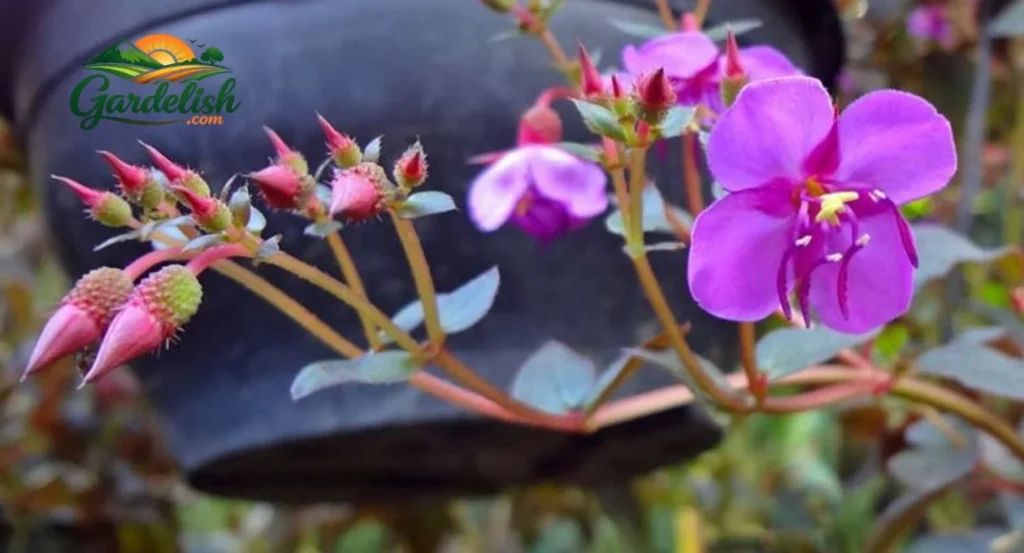
The Spanish Shawl Plant is a low-growing, trailing ornamental known for its bright magenta-pink flowers, soft green foliage, and easygoing habit in warm gardens. Most gardeners grow it as a flowering ground cover, a cascading container plant, or a hanging basket plant where its stems can spill naturally over edges.
Botanically, Spanish shawl is most often sold as Heterocentron elegans, though you may also see related plants labeled under Centradenia, especially Centradenia floribunda or Centradenia inaequilateralis ‘Cascade’. For everyday gardeners, the care is very similar: give it warmth, bright light, well-drained soil, regular moisture, and light trimming when it starts to wander.
It is not a plant that wants to be fussed over every day, but it does respond quickly to good conditions. In the right spot, Spanish shawl becomes a soft carpet of foliage dotted with vivid blooms. In colder climates, it is better treated as a seasonal annual, patio plant, or indoor-overwintered container plant.
What Is the Spanish Shawl Plant?
Spanish shawl is a creeping or trailing flowering perennial from the melastome family, the same broad plant family that includes several tropical-looking ornamentals with showy flowers and prominent leaf veins. Its charm comes from the contrast between its small, spreading habit and its surprisingly bright blooms.
The plant usually stays low, often behaving more like a mat-forming ground cover than an upright shrub. It can weave between stones, soften the edge of a path, trail from a pot, or fill the front of a warm border. The flowers are typically pink, purple-pink, or magenta, with a delicate tropical look.
One thing worth knowing before buying it: plant labels can be inconsistent. “Spanish shawl” may refer to Heterocentron elegans in some nurseries and to Centradenia varieties in others. Both are grown for similar reasons: colorful trailing growth, warm-season flowers, and easy use in containers or mild-climate gardens.
If you are shopping online or at a garden center, check the botanical name, mature size, and hardiness information on the label. This matters more than the common name because different Spanish shawl selections can vary in height, spread, flower timing, and cold tolerance.
Quick Care Snapshot for Spanish Shawl Plant
Spanish shawl grows best in warm, bright conditions with soil that stays lightly moist but never soggy. It is a good choice for gardeners who want color without the rigid maintenance of formal bedding plants.
Basic care at a glance:
- Botanical name: Most commonly Heterocentron elegans
- Common names: Spanish shawl, trailing princess flower, pink lady
- Plant type: Tender perennial, ground cover, trailing container plant
- Light: Full sun to partial shade, depending on climate
- Soil: Well-drained, fertile, humus-rich soil
- Water: Regular moisture while establishing; avoid waterlogged roots
- Bloom time: Often late spring through summer, and longer in mild climates
- Best use: Ground cover, hanging basket, patio pot, border edge, rock garden
- Cold tolerance: Best in mild, frost-free or nearly frost-free areas
- Maintenance level: Low to moderate, mainly trimming and watering
In hot inland climates, Spanish shawl often appreciates afternoon shade. In cooler coastal climates, it may flower better with more direct sun. That balance is important. Too much shade can reduce flowering, while intense heat and dry soil can make the plant look tired.
Light, Temperature, and Climate Needs
Spanish shawl is a warmth-loving plant. It performs best where the growing season is long, mild, and not too cold. In frost-free regions, it can behave as an evergreen or semi-evergreen ground cover. In colder places, frost may damage or kill the top growth.
For USDA hardiness zones, many gardeners treat Spanish shawl as most reliable in zones 9 to 11, though exact cold tolerance depends on the plant being sold and local microclimate. A sheltered courtyard, south-facing wall, or protected patio can make a noticeable difference.
Light needs depend on your climate. In a mild coastal garden, Spanish shawl can usually handle full sun and may bloom heavily with enough moisture. In hot, dry regions, partial shade is safer, especially in the afternoon. Leaves can scorch or wilt if the plant is exposed to harsh sun, reflected heat, and dry soil at the same time.
Indoors, it needs bright indirect light rather than a dark corner. A spot near an east-facing window, a bright filtered window, or a sunroom can work well. If the stems stretch, the plant is asking for more light. If leaves crisp at the edges, the light may be too harsh or the air too dry.
Soil and Watering: The Two Details That Matter Most
Spanish shawl likes soil that drains well but still holds some moisture. Think “fresh and open,” not heavy and wet. A good garden soil with compost mixed in is usually enough. In containers, use a quality potting mix with added perlite, fine bark, or coarse sand if drainage needs improvement.
The roots do not enjoy sitting in water. If the soil stays soggy, the plant may decline, yellow, or develop root rot. This is especially common in pots without drainage holes or in heavy clay beds that remain wet after rain.
Water new plants regularly until they settle in. Once established, Spanish shawl can handle short dry spells better, but it looks best with consistent moisture. The goal is not to keep the soil soaked. Instead, water deeply, then let the top layer begin to dry before watering again.
In summer containers, check moisture more often because trailing plants dry out faster in hanging baskets and small pots. A Spanish shawl in a basket may need water more frequently than one planted in the ground. If the plant wilts in the afternoon but recovers by evening, it may simply be reacting to heat. If it stays limp, the root zone is probably too dry.
A thin layer of organic mulch around outdoor plants helps reduce evaporation and keeps the soil temperature more even. Keep mulch slightly away from the crown of the plant so stems do not stay constantly damp.
Planting Spanish Shawl Outdoors, in Pots, and Hanging Baskets
Outdoors, Spanish shawl is beautiful at the front of a border, between stepping stones, along a low wall, or spilling over the edge of a raised bed. It has a relaxed, informal habit, so it suits cottage gardens, tropical-style plantings, Mediterranean gardens, and mixed containers.
When planting in the ground, loosen the soil wider than the root ball and mix in compost if the soil is poor. Set the plant at the same depth it was growing in the nursery pot. Planting too deeply can encourage rot around the crown.
For containers, choose a pot with drainage holes. Spanish shawl looks especially good in wide bowls, window boxes, and hanging baskets because the stems naturally trail. A container that is too small will dry quickly and restrict growth, so give the roots enough room to spread.
After planting, water thoroughly and keep the soil evenly moist for the first few weeks. This establishment period matters. Many trailing plants fail not because they are difficult, but because they are allowed to dry out before roots have moved into the surrounding soil.
Spanish shawl also pairs well with other warm-season plants that enjoy similar conditions. In containers, try it with coleus, sweet potato vine, begonias, angelonia, impatiens in brighter shade, or compact ornamental grasses. In garden beds, it can soften the base of shrubs or spill around rocks.
Fertilizer, Compost, and Mulching Tips
Spanish shawl is not a heavy feeder, but it does flower and spread better when the soil has steady nutrition. Compost is the best starting point because it improves both fertility and soil texture.
In the ground, top-dress with compost once or twice during the growing season. If your soil is sandy or low in organic matter, a balanced slow-release fertilizer in spring can help. Avoid overfeeding with high-nitrogen fertilizer. Too much nitrogen may encourage leafy growth at the expense of flowers.
For container plants, nutrients wash out more quickly. Feed lightly during active growth using a balanced liquid fertilizer every few weeks, or use a slow-release fertilizer according to the label. The key word is lightly. Spanish shawl does not need aggressive feeding.
Mulching is useful in outdoor beds, especially in warm climates. Use fine bark, leaf mold, composted mulch, or another organic material. Mulch helps conserve soil moisture, suppress small weeds, and protect shallow roots from temperature swings.
If you are building a larger gardening content cluster, this section naturally links to related topics such as soil improvement, composting basics, organic fertilizers, and mulching for flower beds.
Pruning and Maintenance for Fuller Growth
Spanish shawl responds well to pinching and light trimming. The stems are soft, so pruning does not need to be complicated. Regular pinching encourages the plant to branch, fill out, and stay compact rather than becoming thin and stringy.
Trim back wandering stems when they reach beyond the space you want them to cover. In hanging baskets, snip the longest stems to keep the plant balanced. This also encourages new side shoots, which often means a fuller display later.
Remove damaged, brown, or weak stems whenever you notice them. If the plant becomes tired in midsummer, a light cutback followed by watering and gentle feeding can refresh it. Do not shear it harshly during heat stress. Wait until the plant is hydrated and actively growing.
Deadheading is usually not a major chore. The flowers are small enough that the plant remains attractive without constant grooming. Still, removing spent clusters can make container plants look neater.
In cold-prone areas, prune lightly before bringing pots indoors for winter. Avoid cutting too hard just before cool weather, because fresh soft growth is more vulnerable to stress.
Propagating Spanish Shawl from Cuttings
Spanish shawl is commonly propagated from soft stem cuttings. This is one of the easiest ways to make more plants if you already have a healthy specimen.
Choose a non-flowering stem if possible. Cut a piece around 3 to 5 inches long, remove the lower leaves, and place the cutting into a small pot of moist, well-drained propagation mix. A mix of potting soil and perlite works well for many home gardeners.
Keep the cutting warm, bright, and out of direct harsh sun. The mix should stay lightly moist, not wet. A clear cover or humidity dome can help, but open it regularly to prevent fungal problems. Once the cutting resists a gentle tug and begins producing new growth, it has likely rooted.
Rooted cuttings can be potted up and grown on until they are strong enough for the garden. In colder regions, taking cuttings before autumn is a smart backup plan. Even if the outdoor plant does not survive winter, you can keep a small plant indoors and restart your display in spring.
Propagation content also creates a natural internal linking opportunity to guides on stem cuttings, beginner plant propagation, and overwintering tender perennials.
Common Problems, Pests, and How to Fix Them
Spanish shawl is generally low-maintenance, but a few problems can show up when conditions are off.
Yellow leaves often point to overwatering, poor drainage, or tired potting mix. Check whether the soil is staying wet too long. If the pot has no drainage, move the plant immediately.
Wilting can come from either dry soil or damaged roots. Feel the soil before watering. If it is bone dry, water deeply. If it is wet and the plant is still wilting, root rot may be developing.
Leggy growth usually means too little light. Move the plant to a brighter position and pinch back long stems to encourage branching.
Few flowers can happen when the plant receives too much shade, too much nitrogen, or inconsistent watering. Improve light gradually, feed less heavily, and keep the soil evenly moist.
Crispy leaf edges are common in hot sun, dry wind, or containers that dry too quickly. Give afternoon shade, water more consistently, and use mulch in garden beds.
As for pests, watch for aphids, spider mites, whiteflies, and mealybugs, especially on indoor or sheltered plants. Start with gentle controls: rinse the foliage, remove badly affected stems, improve air circulation, and use insecticidal soap if needed. Avoid spraying during the hottest part of the day.
Good plant health is the best pest prevention. Spanish shawl grown in the right light, with good drainage and moderate feeding, is much less likely to become a pest magnet.
Is Spanish Shawl Good for Beginners?
Yes, Spanish shawl is a good beginner plant if you understand its climate needs. It is forgiving in warm gardens, grows quickly, and does not need complicated pruning or specialist care. The main challenge is protecting it from frost and avoiding soggy soil.
For beginners, the easiest way to grow it is in a container or hanging basket. This gives you more control over drainage, sun exposure, and winter protection. If the plant struggles in one spot, you can simply move it.
In warm climates, Spanish shawl makes a practical ground cover for small areas, especially where you want color near paths, patios, or raised beds. It is not the best choice for heavy foot traffic, deep shade, freezing winters, or constantly wet soil.
If you are planting it for the first time, start with one or two plants in a visible location. Watch how they respond to your sun, wind, and watering pattern. Spanish shawl gives clear signals. When it is happy, it spreads, flowers, and looks fresh. When it is unhappy, it quickly tells you through wilting, yellowing, or sparse growth.
Conclusion: Should You Grow the Spanish Shawl Plant?
The Spanish Shawl Plant is worth growing if you want a colorful, trailing plant for warm borders, patio pots, hanging baskets, or soft ground cover. It offers a bright, relaxed look without demanding constant attention.
Its best conditions are simple: bright light, warmth, well-drained soil, regular moisture, and occasional trimming. Give it those basics, and it can reward you with a long season of vivid flowers and attractive trailing growth.
For gardeners in mild climates, Spanish shawl can become a reliable garden feature. For colder-climate gardeners, it is still useful as a summer container plant or overwintered indoor specimen. Either way, it brings a lively splash of magenta color to places that need softness, movement, and charm.
FAQs
1. Is Spanish shawl an indoor or outdoor plant?
Spanish shawl can be grown outdoors in warm climates and indoors in bright conditions. In colder regions, it is often grown in pots outdoors during the warm season and brought inside before frost.
2. Does Spanish shawl need full sun?
Spanish shawl can grow in full sun to partial shade. In mild climates, it often handles more sun. In hot inland areas, afternoon shade helps prevent wilting and leaf scorch.
3. How often should I water a Spanish shawl plant?
Water when the top layer of soil begins to dry. Keep the soil lightly moist during active growth, but never waterlog it. Hanging baskets and small pots may need more frequent watering in summer.
4. Can Spanish shawl survive winter?
Spanish shawl is frost-tender in many areas. It survives best outdoors in mild, frost-free or nearly frost-free climates. In colder regions, grow it as an annual or overwinter it indoors.
5. How do you make Spanish shawl fuller?
Pinch or trim the soft trailing stems regularly. Light pruning encourages branching, prevents legginess, and helps the plant form a denser mat or fuller hanging basket.
Conclusion
The Spanish Shawl Plant is a colorful, trailing ground cover that grows best in warm, bright conditions with well-drained soil and steady moisture. Whether planted outdoors, in hanging baskets, or in patio containers, it stays attractive with light pruning, gentle feeding, and protection from frost.
Avocado Shortage: What Gardeners and Home Growers Need to Know