A Ginger Shortage happens when fresh ginger becomes harder to find, more expensive, or lower in quality because crop production, weather, disease, transportation, and demand are not balanced. For gardeners, the best response is not panic buying. The smarter solution is learning how to grow ginger at home, even in a container.
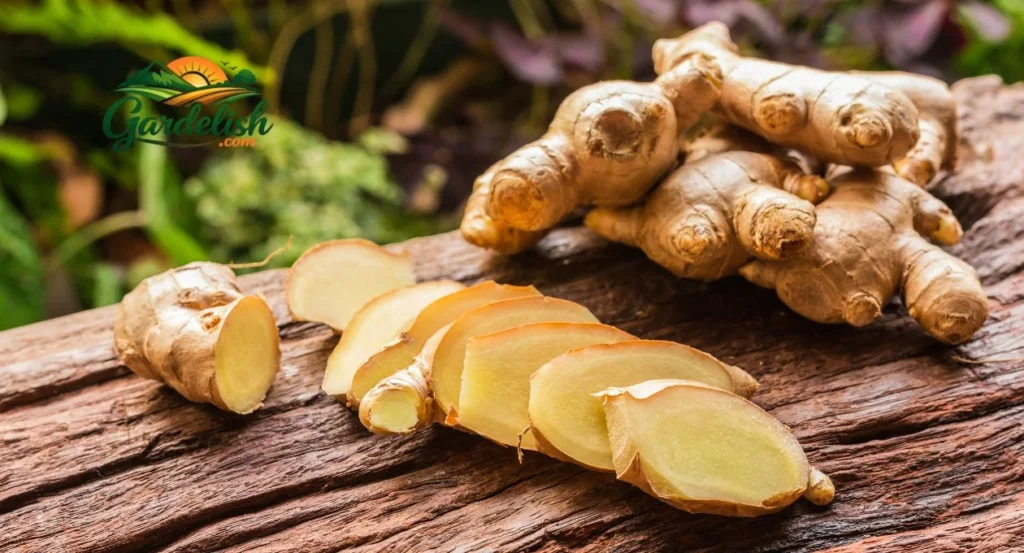
Ginger, botanically known as Zingiber officinale, is grown from rhizomes. These are thick underground stems, not true roots. The same piece of ginger used in the kitchen can often become planting material if it is healthy, firm, and has visible growth buds.
Most people searching for this topic want to know two things: why ginger supply is unstable, and what they can do about it. This guide explains both, with a practical gardening focus.
Why Is There a Ginger Shortage?
A ginger shortage is usually not caused by one single problem. It often happens when several pressures come together at the same time.
Ginger is sensitive to growing conditions. Too much rain can encourage rhizome rot, while drought and extreme heat can reduce plant growth. Disease is another major issue because ginger rhizomes can be affected by soft rot, bacterial wilt, and other soil-borne problems. Reports from ginger-growing regions have shown that diseases such as soft rot and bacterial wilt can seriously affect farmers and reduce healthy harvests.
Supply chains also play a role. Ginger often travels long distances from farms to markets. If transport costs rise, shipping slows down, or storage losses increase, fresh ginger may become more expensive before it reaches consumers.
Demand has also grown because ginger is widely used in cooking, herbal teas, juices, wellness drinks, sauces, baking, and natural remedies. When demand rises while harvests are uncertain, prices and availability can become unstable.
What a Ginger Shortage Means for Home Gardeners
For home gardeners, a ginger shortage is a reminder that small-scale growing can make a real difference. You may not replace every piece of store-bought ginger, but even a few containers can give you fresh rhizomes for cooking, tea, and replanting.
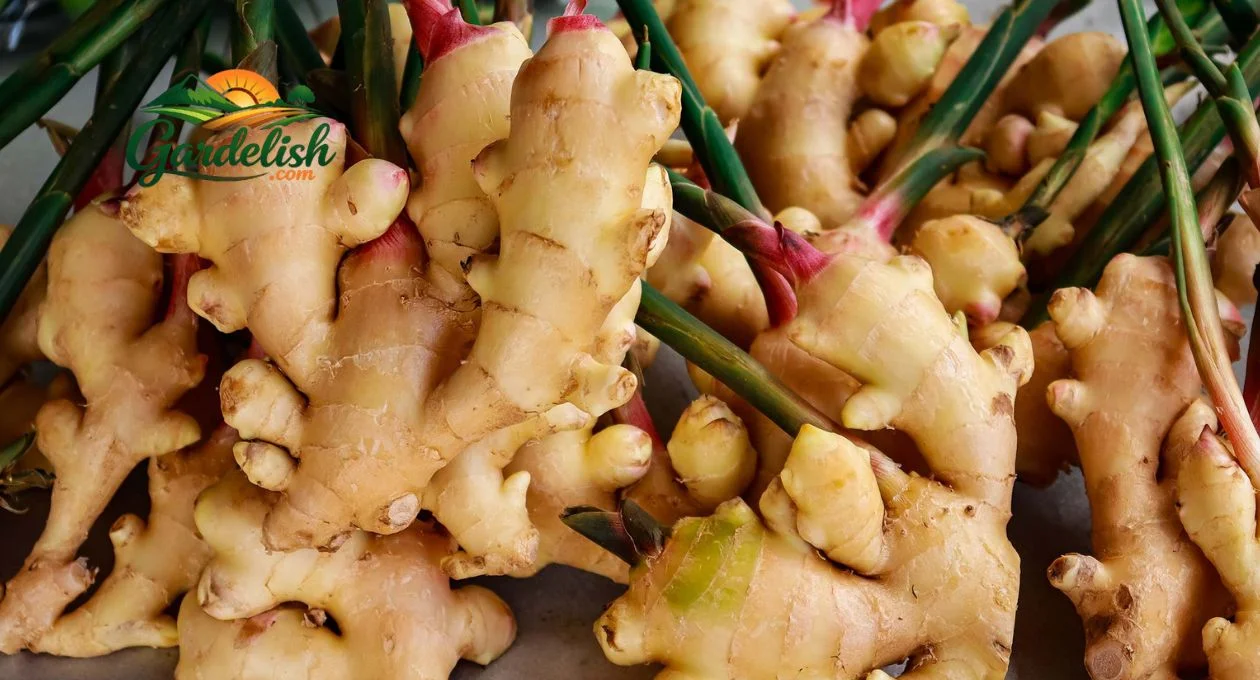
Home-grown ginger also gives you better control over quality. Store ginger may be old, dry, treated to delay sprouting, or imported from far away. When you grow your own, you can harvest young tender ginger or let the rhizomes mature for stronger flavor.
This is where gardeners have an advantage. Ginger does not need a large vegetable patch. It can grow in containers, raised beds, greenhouses, patios, or warm indoor spaces.
Can You Grow Ginger at Home?
Yes, ginger can be grown at home if you can provide warmth, moisture, rich soil, and a long growing season. It grows best in tropical and subtropical climates, but gardeners in cooler areas can still grow it in pots and move it indoors when needed.
Wisconsin Horticulture explains that ginger grows from rhizomes and can be planted whole or divided into pieces, as long as each section has growth eyes. It also notes that ginger needs warm soil and grows best when soil temperatures are around 77°F.
If you live in a cold climate, container growing is usually the easiest method. You can start ginger indoors in late winter or early spring, move it outside after frost danger has passed, and bring it back under protection before cold weather returns.
Best Growing Conditions for Ginger
Ginger prefers warm, humid, sheltered conditions. It likes bright shade, partial sun, and soil that stays moist without becoming waterlogged.
The best soil for ginger is loose, fertile, and rich in organic matter. A mix of compost, aged manure, leaf mold, and quality potting soil works well. Heavy clay soil is risky because it holds too much water around the rhizomes. Sandy soil can also be a problem if it dries too quickly.
For outdoor growing, choose a spot with morning sun and afternoon shade. In very hot areas, too much direct afternoon sun can scorch the leaves. In cooler regions, ginger may appreciate more sunlight because temperatures are lower.
Virginia Cooperative Extension recommends allowing the growing medium to dry slightly before watering to avoid root rot, especially when starting ginger in pots.
How to Plant Ginger Rhizomes
Start with a firm, fresh rhizome that has visible eyes or small bumps. Avoid shriveled, moldy, soft, or damaged pieces.
Cut the rhizome into sections if needed, but make sure each piece has at least one or two growth buds. Let the cut pieces dry for a day or two before planting. This helps the cut surface callus and reduces the risk of rot.
Plant the rhizomes shallowly. Cover them with about 1 inch of soil, with the buds facing upward. Do not bury ginger too deeply because deep planting can slow sprouting and increase moisture problems.
Water lightly after planting. Before shoots appear, keep the soil slightly moist but not wet. Once green shoots begin growing, water more regularly.
Growing Ginger in Containers
Container growing is one of the best ways to manage ginger during a shortage. It gives you control over soil, drainage, warmth, and winter protection.
Choose a wide container instead of a narrow one. Ginger spreads sideways as the rhizomes grow. A pot around 12–15 inches wide or larger is much better than a small, tight container. Illinois Extension recommends using at least a 15-inch diameter container and barely covering the rhizomes with soil when starting them to reduce rot risk.
Use a rich but well-draining potting mix. Add compost for nutrients and a little perlite or coarse material if the mix feels too heavy. Make sure the container has drainage holes.
Place the pot in a warm, bright location. Outdoors, a patio with morning sun and afternoon shade is ideal. Indoors, place it near a bright window or under a grow light.
Watering, Feeding, and Mulching Tips
Ginger likes steady moisture, but it hates soggy soil. This balance is important.
Water when the top layer of soil begins to feel slightly dry. In summer heat, container ginger may need more frequent watering. In cooler weather, reduce watering because wet, cold soil can damage rhizomes.
Mulch is very helpful for outdoor ginger. Use straw, shredded leaves, compost, or fine bark around the plant. Mulch keeps the soil moist, protects shallow rhizomes, and reduces weeds.
Feed ginger with compost, worm castings, diluted fish emulsion, seaweed fertilizer, or a balanced organic fertilizer. Avoid overfeeding with strong nitrogen fertilizer late in the season because the plant should focus on rhizome growth, not only leaves.
Common Problems That Affect Ginger Growth
The most common problem with ginger is rot. This usually happens when the soil is too wet, cold, compacted, or poorly drained.
Signs of trouble include yellowing too early, sudden wilting, soft rhizomes, bad smell, or mushy tissue. If this happens, remove the affected rhizome and avoid reusing contaminated soil.
Pests are usually less serious, but indoor ginger may attract spider mites, aphids, fungus gnats, or mealybugs. Good airflow, clean containers, and careful watering help prevent many issues.
Poor timing is another common mistake. Ginger needs a long warm season. If you plant too late, you may get leaves but very little harvest.
When and How to Harvest Ginger
Ginger can be harvested young or mature.
Young ginger is tender, mild, and thin-skinned. Mature ginger has stronger flavor, thicker skin, and better storage potential. If you want a small harvest during the season, gently move the soil aside and break off a small outer piece of rhizome, then cover the plant again.
For a full harvest, wait until the leaves begin to yellow and die back naturally. Lift the rhizomes carefully with your hands or a garden fork. Do not bruise them because damaged ginger does not store well.
After harvesting, brush off soil and let the rhizomes dry briefly in a shaded, airy place. Store fresh ginger in the refrigerator, freeze it in small portions, or dry slices for tea and cooking.
Save your healthiest rhizomes for replanting. This is one of the best ways to make your garden more resilient during future supply shortages.
Final Thoughts: Grow Smarter During a Ginger Shortage
A Ginger Shortage can affect prices and availability, but gardeners have a practical advantage. By growing ginger at home, you can reduce dependence on store supply and enjoy fresher rhizomes from your own containers or garden beds.
Ginger is not difficult, but it does need patience. Give it warmth, loose compost-rich soil, partial shade, steady moisture, and enough time to mature. Even a small container crop can provide fresh flavor, useful harvests, and planting stock for next season.
FAQs
1. What causes a ginger shortage?
A ginger shortage can be caused by poor weather, crop disease, rising demand, transport delays, farming costs, and reduced harvest quality.
2. Can I grow ginger at home during a ginger shortage?
Yes. Ginger can be grown at home in containers, raised beds, greenhouses, patios, or warm indoor spaces using healthy rhizomes.
3. How long does ginger take to grow?
Ginger usually needs several months of warm growing conditions. Young ginger can be harvested earlier, while mature ginger takes longer.
4. What is the best soil for ginger?
Ginger grows best in loose, fertile, well-drained soil rich in compost or organic matter. The soil should stay moist but never soggy.
5. Is container ginger better for beginners?
Yes. Container growing is easier for beginners because it gives better control over soil, watering, drainage, and temperature.
Sources
Wisconsin Horticulture
Used for guidance on ginger rhizomes, growth eyes, and warm growing conditions.
Virginia Cooperative Extension
Used for practical advice on container growing, watering, and avoiding rot.
Illinois Extension
Used for container size, planting depth, and home-growing recommendations.
The Times of India
Used for real-world context about ginger crop disease issues.
Pomegranate Shortage: Why It’s Happening and How Gardeners Can Respond