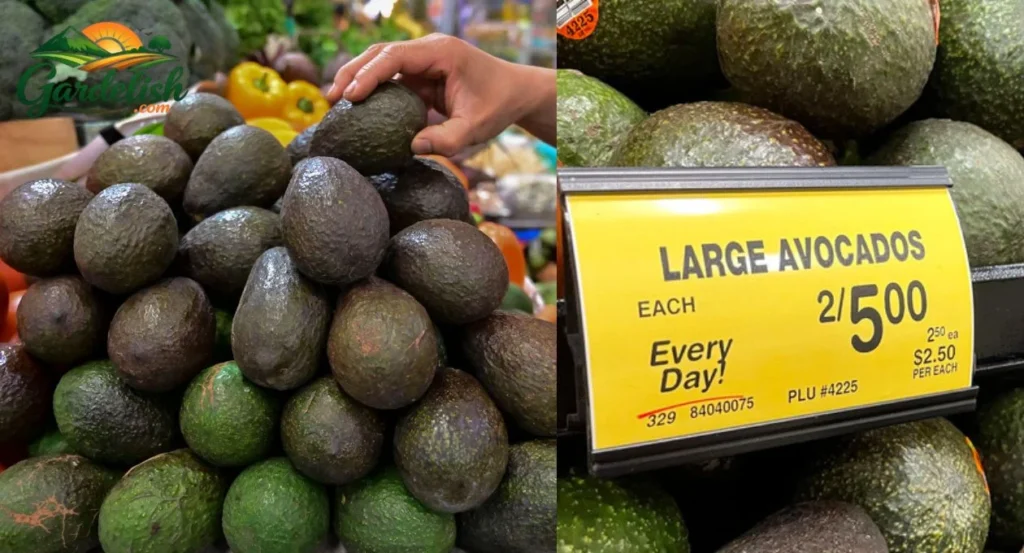
Avocados are expensive because they are slow-growing, climate-sensitive fruits that need careful soil management, steady watering, skilled harvesting, and gentle handling after picking. For gardeners, the price makes more sense once you understand how much work goes into growing Persea americana, especially in areas where frost, heat, poor drainage, pests, or weak pollination can reduce the harvest.
Unlike quick garden crops such as lettuce, beans, or tomatoes, avocados grow on evergreen trees that take years to become productive. Even when a tree is mature, its crop depends on weather, root health, flowering patterns, irrigation, and careful timing. So the price at the grocery store is not just about one fruit. It reflects a long chain of growing, harvesting, transporting, and ripening.
The Short Answer: Why Are Avocados So Expensive?
Avocados cost more than many fruits because they are costly and risky to produce. The trees need warm conditions, well-drained soil, consistent moisture, frost protection, and careful post-harvest handling. Most avocados are picked mature but firm, then ripened later during shipping, storage, or retail display.
Commercial avocado production is also limited to regions with suitable climates. In the United States, outdoor avocado growing is mainly practical in mild parts of USDA zones 9–11, although some cold-hardy varieties can survive in protected microclimates. That limited growing range makes supply more vulnerable to weather problems.
For a home gardener, this explains why growing avocados can be rewarding, but not always simple or cheap.
Avocado Trees Take Years to Become Productive
Avocado trees are not quick-return plants. A tree grown from seed can take many years to fruit, and the fruit quality is unpredictable. That is why most gardeners and orchard growers choose grafted trees. Grafted varieties such as Hass, Fuerte, Bacon, Reed, Pinkerton, and Zutano are selected for known fruit quality, growth habit, and harvest performance.
Even a grafted avocado tree needs time to establish. In the early years, the grower is investing in irrigation, mulch, pruning, organic matter, frost protection, and pest monitoring before receiving a meaningful crop.
This long establishment period adds cost. A tomato plant may produce in one season, but an avocado tree needs patience, space, and steady care.
Climate Plays a Big Role in Avocado Prices
Avocados prefer warm, mild climates without hard frost. They also dislike extreme heat, dry winds, and sudden weather swings. Frost can damage flowers, young fruit, and tender shoots. Hot winds can cause leaf scorch and fruit drop. Heavy rain in poorly drained soil can encourage root disease.
This makes avocado growing more climate-sensitive than many common backyard fruits. Gardeners in warm coastal areas often have better results than those in inland locations with intense summer heat or winter freezes.
In borderline climates, cold-hardy types such as Mexicola, Bacon, or certain Mexican-race hybrids may survive with protection, but young trees still need shelter from frost and wind. Commercial orchards face the same climate risks on a larger scale, and crop losses often influence market prices.
Soil and Drainage Are Critical for Healthy Avocado Roots
Avocado trees have shallow, sensitive feeder roots. They need oxygen as much as moisture. The ideal soil is loose, well-drained, and rich in organic matter. Sandy loam, decomposed granite, or raised planting mounds often work better than compacted clay.
Poor drainage is one of the biggest problems for avocado trees. When roots stay wet for too long, they become vulnerable to root rot, often associated with Phytophthora. A struggling root system can lead to yellow leaves, weak growth, branch dieback, poor flowering, and reduced fruit production.
Home gardeners can improve conditions by planting slightly above grade, adding composted organic matter, mulching with wood chips or leaf mold, and avoiding constant shallow watering. Good soil improvement and proper mulching are not optional extras with avocados; they are part of keeping the tree alive and productive.
Avocados Need Careful Watering, Not Just More Water
Avocado trees need consistent moisture, especially during dry weather and fruit development. However, they do not tolerate waterlogged soil. This balance makes irrigation one of the most important and expensive parts of avocado production.
A healthy watering routine usually means deep watering followed by enough time for the soil to breathe. Drip irrigation, mulch, and soil moisture monitoring help reduce stress. In hot climates, mulch also protects shallow roots from heat and reduces evaporation.
For gardeners, the goal is not to water every day without thinking. It is to keep the root zone evenly moist while avoiding soggy conditions. Overwatering can be just as damaging as drought.
Pollination and Flowering Can Be Unpredictable
Avocado flowering is unusual. Many varieties have Type A or Type B flowers, which open as female at one time and male at another. Planting compatible varieties nearby can improve pollination, especially where weather conditions are favorable and pollinators are active.
Cool weather, rain, wind, or low bee activity can interfere with fruit set. Even a healthy tree may flower heavily but hold only a small percentage of fruit. This is normal, but it also explains why avocado harvests can vary from year to year.
Organic gardening practices can help support pollinators. Flowering herbs such as cilantro, dill, fennel, alyssum, and basil can attract bees and beneficial insects. Just keep companion plants from competing heavily with the avocado’s shallow roots.
Harvesting and Ripening Add to the Cost
Avocados are usually harvested when mature but still firm. They do not soften properly on the tree like peaches or plums. After picking, they ripen during storage, transport, or at home on the kitchen counter.
This means growers must judge maturity carefully. Fruit picked too early may shrivel or fail to develop good flavor. Fruit handled roughly can bruise. Sorting, packing, shipping, and ripening all require attention.
That careful handling adds cost, especially because avocados are delicate once they begin to soften. A fruit that looks perfect on the outside can still be damaged by poor handling.
Pests, Diseases, and Tree Care Require Ongoing Attention
Avocado trees can face problems such as mites, thrips, scale insects, lace bugs, borers, anthracnose, sunburn, and root diseases. Not every garden will have all these issues, but prevention matters.
Healthy trees are more resilient. Good airflow, clean pruning cuts, balanced watering, organic mulch, and beneficial insect habitat can reduce pressure from pests and disease. Avoid piling mulch directly against the trunk, because trapped moisture around the bark can cause problems.
Pruning should usually be light. Remove dead, damaged, crossing, or crowded branches, but avoid heavy pruning that exposes bark and fruit to sunburn. Avocados are not pruned as aggressively as grapes or peaches. Gentle shaping is usually better than drastic cutting.
Can You Grow Your Own Avocados to Save Money?
You can grow your own avocados if your climate is suitable, but it is not an instant money-saving solution. A grafted tree is the best choice for fruit production. Seed-grown avocado trees are fun to grow, but they may take many years to fruit and may not produce high-quality avocados.
In warm climates, plant avocados in a sunny, protected location with excellent drainage. Mulch generously, water deeply, and protect young trees from frost, wind, and harsh afternoon sun. Keep grass away from the root zone because turf competes for water and nutrients.
Container-grown avocados are possible, especially with smaller grafted varieties, but fruiting in pots can be inconsistent. Indoor avocado plants grown from pits are usually better treated as attractive foliage plants rather than reliable fruit trees.
A Gardener’s Way to Get More Value from Avocados
Even if you cannot grow a productive avocado tree, gardening can still help you make avocados feel more affordable. Grow foods that pair well with them: tomatoes, cilantro, onions, peppers, lettuce, garlic chives, and salad greens. A few homegrown ingredients can turn one avocado into a fresh, satisfying meal.
You can also reduce waste by buying firm avocados and ripening them at home. Use ripe fruit promptly, and refrigerate it once it reaches the right softness. From a gardener’s point of view, waste is part of the cost. A fruit that spoils before you eat it is always expensive.
FAQs
1. Why are avocados so expensive compared with other fruits?
Avocados are expensive because they grow on slow-maturing trees that need warm climates, well-drained soil, steady watering, and careful harvesting. They are also delicate to transport and ripen, which adds to the final cost.
2. Can I grow my own avocado tree at home?
Yes, you can grow an avocado tree at home if you live in a suitable climate, usually USDA zones 9–11. A grafted tree is best for fruit production, while seed-grown avocado plants are often better as ornamental foliage plants.
3. How long does an avocado tree take to produce fruit?
A grafted avocado tree may begin producing fruit in a few years, while a seed-grown tree can take much longer and may not produce good-quality fruit. Climate, soil, watering, and tree health all affect how soon it fruits.
4. Do avocado trees need a lot of water?
Avocado trees need consistent moisture, especially during dry weather and fruit development. However, they dislike soggy soil, so deep watering and excellent drainage are more important than simply watering often.
5. Why do avocado trees flower but not produce fruit?
Avocado trees may flower without setting much fruit because of poor pollination, cool weather, wind, lack of bees, water stress, or an immature tree. Planting compatible varieties and supporting pollinators can improve fruit set.
6. Are avocados hard to grow in containers?
Avocados can grow in containers, but fruiting is often less reliable than in the ground. They need a large pot, free-draining soil mix, bright sunlight, regular feeding, and careful watering to stay healthy.
7. What is the best soil for avocado trees?
Avocados grow best in loose, well-drained soil rich in organic matter. Heavy clay or compacted soil can cause root problems, so raised planting mounds, compost, and mulch can help improve conditions.
8. Is growing avocados from seed worth it?
Growing an avocado from seed is fun, but it is not the best method if you want reliable fruit. Seed-grown trees take longer, grow very large, and may produce fruit that is different from the avocado you planted.
Conclusion
Why are avocados so expensive? They require years of tree care, warm climates, healthy soil, careful watering, successful pollination, skilled harvesting, and delicate handling after picking. They are not a simple, fast crop.
For gardeners, understanding the avocado tree makes the price easier to understand. It also helps you decide whether growing one is realistic in your climate. Where conditions are right, an avocado tree can be a beautiful and productive part of the garden. Where conditions are wrong, it is often better to grow easier companion crops and enjoy avocados more thoughtfully, with less waste and more appreciation for the work behind each fruit.
Why Are Blueberries So Expensive? A Gardener’s Clear Explanation