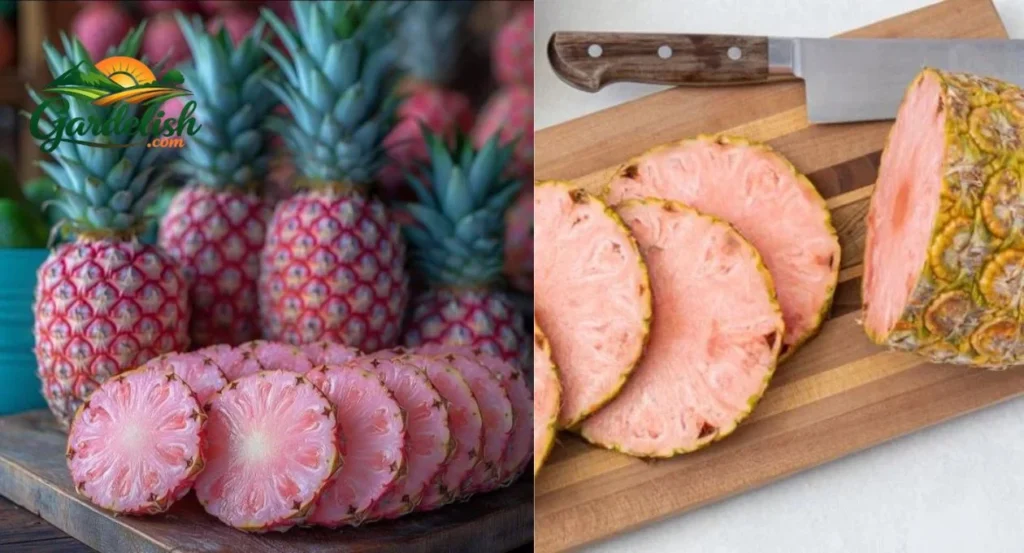
A pink pineapple is a pink-fleshed form of pineapple, best known through the commercial Pinkglow® pineapple. It looks unusual, tastes sweet, and has become popular with fruit lovers, but gardeners often have one practical question first: can it be grown at home?
The honest answer is that most home gardeners cannot easily grow the branded pink pineapple from fruit, because it is usually sold without the leafy crown used for propagation. However, gardeners can still grow pineapple plants, Ananas comosus, at home from regular pineapple crowns, nursery plants, slips, or suckers. The growing method is similar, and the plant itself makes a bold tropical feature in containers, patios, warm gardens, and sunny indoor spaces.
What Is a Pink Pineapple?
A pink pineapple is a pineapple with rosy or blush-pink flesh instead of the usual golden-yellow interior. The best-known type is Pinkglow®, a specialty fruit developed by Fresh Del Monte. Its color comes from lycopene, the natural pigment also found in tomatoes, watermelon, and pink grapefruit.
For gardeners, the important thing to understand is that “pink pineapple” is usually searched in two ways. Some people want to know about the rare fruit they saw online or in a grocery store. Others want to know whether they can plant it, grow it, or care for a similar pineapple plant at home.
Both questions matter. The fruit is a specialty produce item, but the plant belongs to the same broad pineapple family that gardeners can grow with patience, warmth, and sharp-draining soil.
Can You Grow a Pink Pineapple at Home?
In most cases, growing the commercial pink pineapple at home is not realistic. Pinkglow® pineapples are commonly sold without the crown, which is the leafy top gardeners normally root to start a pineapple plant. Without a crown, sucker, slip, or plantlet, there is no simple starting material for home propagation.
That does not mean pineapple growing is off the table. A regular pineapple crown from the grocery store can be rooted and grown into an attractive tropical plant. In warm climates, it may eventually produce fruit. In cooler climates, it can grow well as a container plant if brought indoors before cold weather arrives.
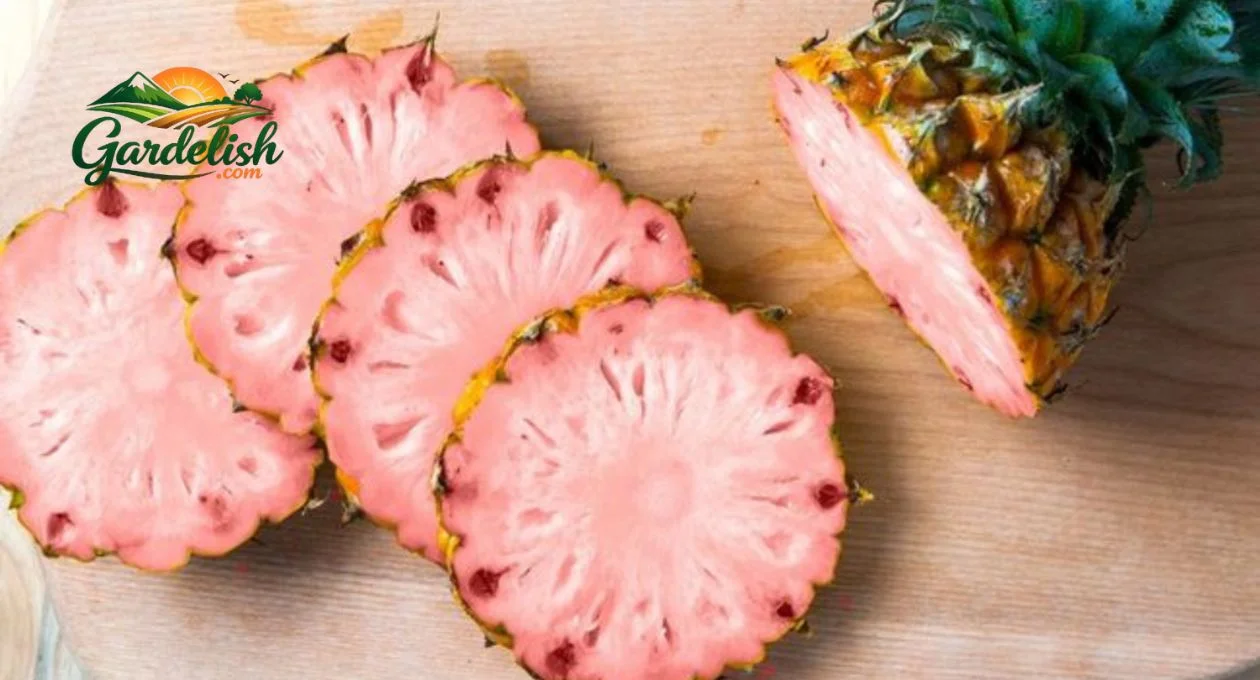
A homegrown pineapple will usually have yellow flesh, not pink flesh, unless the gardener has legitimate access to a true pink-fleshed propagation source. Still, the care principles are useful for anyone interested in tropical fruit gardening.
Best Growing Conditions for Pineapple Plants
Pineapple is a tropical bromeliad, not a tree. It grows as a rosette of stiff, sword-like leaves around a central stem. The plant stores water efficiently and dislikes soggy soil, which is why drainage matters more than constant watering.
For best growth, pineapple plants need:
- Bright light or gentle full sun
- Warm temperatures
- Free-draining soil
- Moderate humidity
- Protection from frost
- A container with drainage holes if grown in pots
Outdoors, pineapple grows best in warm, frost-free regions, especially USDA Zones 10 to 12. In borderline climates, it should be treated as a patio plant that moves indoors during cool weather. If temperatures fall below 50°F, growth slows and cold damage becomes more likely.
Soil, Containers, and Drainage
Good pineapple care starts below the leaves. These plants do not like heavy, waterlogged soil. A sandy loam, cactus mix, bromeliad mix, or homemade blend with compost, coarse sand, and perlite works well.
The goal is moisture without stagnation. Soil should hold enough water for the roots to use, but it should not remain wet for days. A pot with drainage holes is essential for container gardening.
A practical mix for pineapple plants is:
- 2 parts quality potting mix
- 1 part perlite or pumice
- 1 part coarse sand or fine orchid bark
- A small amount of compost for slow nutrient release
For raised beds or outdoor planting, improve compacted soil before planting. Compost helps soil structure, while mulch can protect the root zone from heat stress. This is a natural place to internally link to a guide on soil improvement, composting, or raised bed preparation.
How Much Sun Does a Pineapple Plant Need?
Pineapple plants need strong light to grow well, but the best exposure depends on climate. In mild tropical or subtropical areas, they can handle full sun. In very hot, dry climates, afternoon shade helps prevent leaf scorch and fruit sunburn.
Indoors, place the plant near the brightest window available. A south-facing or west-facing window is often best, though filtered light may be needed if the leaves begin to bleach or burn. If the plant stretches, leans, or produces weak pale growth, it likely needs more light.
A pineapple plant grown in low light may survive for a long time, but fruiting becomes much less likely. Light is one of the main differences between a decorative houseplant and a fruiting tropical plant.
Watering and Fertilizing Pink Pineapple Plants
Pineapple plants prefer a dry-down period between waterings. Water deeply, then allow the top layer of soil to dry before watering again. In warm weather, container plants may need water more often. In winter or indoors, they use less moisture and should be watered carefully.
Overwatering is one of the most common causes of failure. Soft leaves, a sour smell from the soil, or a loose crown can point to root or crown rot.
For feeding, use a balanced organic fertilizer or diluted liquid fertilizer during the active growing season. Pineapples are not heavy feeders like tomatoes or corn, but they benefit from steady nutrition. A light monthly feeding in spring and summer is usually better than occasional strong doses.
Compost tea, seaweed extract, and slow-release organic fruit plant fertilizers can support healthy growth. Avoid piling fertilizer into the central crown, especially if the plant is indoors with limited airflow.
Growing Pineapple Indoors vs Outdoors
Indoor pineapple growing is best for gardeners in cooler climates. The plant can live happily in a pot as long as it receives warmth, bright light, and careful watering. The main challenge indoors is not basic survival, but fruiting.
Outdoor pineapple plants grow faster where nights stay warm and humidity is moderate to high. In a sunny patio container, the plant may develop stronger leaves and better overall vigor than it would in a dim room.
If growing indoors, choose a compact pot at first. Pineapple roots are not extremely deep, and an oversized pot can stay wet too long. Repot only when the plant has clearly filled its container.
For outdoor container gardening, move the plant gradually into stronger sun. Sudden exposure can scorch leaves that were grown indoors or in shade.
How Long Does It Take to Grow a Pineapple?
Pineapple is not a fast crop. A plant grown from a crown can take two years or more before flowering, especially indoors. Plants started from slips or suckers may fruit sooner because they are more mature than crown cuttings.
Once the plant flowers, the fruit develops from many small flowers fused together. This is why pineapple is called a multiple fruit. After fruiting, the main rosette slowly declines, but it often produces pups or side shoots that can be removed and replanted.
This slow cycle is part of the appeal. Growing pineapple is less like planting lettuce and more like caring for a long-term tropical specimen.
Common Problems and Pest Prevention
Most pineapple problems come from cold, poor drainage, low light, or overwatering. A healthy plant has firm leaves, a tight central rosette, and no mushy tissue at the base.
Common issues include:
- Root rot from soggy soil
- Mealybugs hiding in leaf bases
- Spider mites in dry indoor air
- Leaf scorch from sudden direct sun
- Slow growth from cool temperatures
- Pale leaves from low light or weak nutrition
Organic pest control works best when problems are caught early. Wipe mealybugs with cotton dipped in diluted alcohol, rinse foliage when spider mites appear, and improve airflow around crowded plants. Neem oil or insecticidal soap may help, but always test a small area first because pineapple leaves can be sensitive.
For related content, this section could naturally link to articles on organic pest control, indoor plant care, and common houseplant watering mistakes.
Harvesting and Realistic Expectations
A ripe pineapple usually changes color, develops a sweet fragrance, and feels heavy for its size. Homegrown fruit may be smaller than store-bought fruit, especially in containers, but it can still be rewarding.
Gardeners should not expect a quick harvest or giant fruit from an indoor plant. The real value is the process: rooting the crown, watching the rosette mature, and learning how a tropical bromeliad grows over time.
If the goal is specifically pink flesh, buying the specialty fruit is more realistic than trying to grow it. If the goal is tropical gardening experience, a regular pineapple plant is far more accessible and still deeply satisfying.
Conclusion: Is Pink Pineapple Worth Growing?
Pink pineapple is fascinating, beautiful, and worth learning about, but it is not the easiest fruit for home propagation. The branded pink-fleshed type is usually sold without a crown, so most gardeners should treat it as a specialty fruit rather than a practical starter plant.
For hands-on growing, start with a regular pineapple crown or a nursery-grown Ananas comosus. Give it warmth, bright light, sharp drainage, careful watering, and patience. Even if the fruit is golden instead of pink, the plant brings a tropical, memorable presence to the garden.
FAQs
1. What is a pink pineapple?
A pink pineapple is a pineapple with pink flesh, most commonly associated with Pinkglow® pineapple. Its color comes from lycopene, the same pigment found in tomatoes and watermelon.
2. Can I grow a pink pineapple from the fruit top?
Usually, no. Commercial pink pineapples are often sold without the leafy crown, which is the part normally used for propagation. A regular pineapple crown is easier for home gardeners to grow.
3. Is pink pineapple natural or genetically modified?
The best-known commercial pink-fleshed pineapple is genetically engineered to produce pink flesh. It is grown as a specialty fruit and is different from a standard grocery-store pineapple.
4. How long does it take to grow a pineapple plant?
A pineapple plant grown from a crown can take two years or more to flower, especially indoors. Warm outdoor conditions and mature planting material may shorten the timeline.
5. Can pineapple plants grow indoors?
Yes, pineapple plants can grow indoors if they receive bright light, warm temperatures, and well-drained soil. Fruiting indoors is possible but less reliable than in warm outdoor climates.
Lemon Shortage: Why Lemons Are Harder to Find and How Gardeners Can Respond