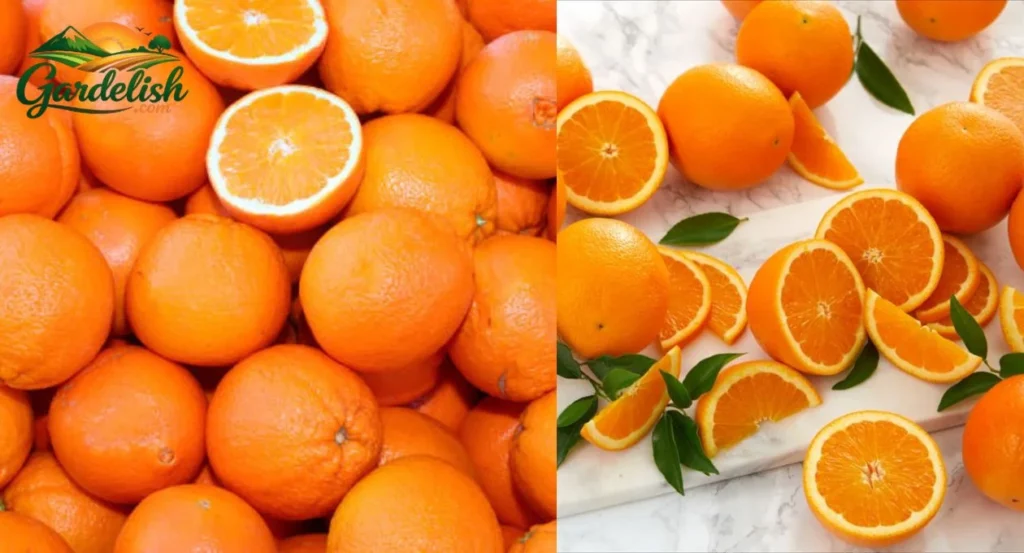
If you have stood in the produce aisle wondering, “Why are oranges so expensive?”, the answer is not as simple as store markups. Orange prices are shaped by slow-growing citrus trees, weather stress, citrus greening disease, labor costs, shipping, and the long journey from blossom to fruit bowl.
For gardeners, the price of oranges is especially interesting because citrus is not a quick crop. A healthy orange tree can be wonderfully productive, but it needs the right climate, soil, water, nutrients, pollination support, and years of patient care before it produces heavily. That slow biology is one reason the market cannot recover overnight when crops are damaged.
Quick Answer: Why Are Oranges So Expensive?
Oranges are expensive because citrus production is vulnerable at nearly every stage. Trees take years to mature, fruit develops over a long season, and groves can be hit by drought, hurricanes, freezes, heat waves, pests, and disease. When supply tightens, prices rise.
Fresh oranges also require careful harvesting, grading, packing, cold storage, and transportation. Unlike hardy storage crops such as potatoes or onions, oranges are perishable fruit with a limited window for peak flavor and appearance. The best-looking fruit often sells at a premium, while smaller or blemished fruit may go to juice or processing.
Orange Trees Are Slow Crops, Not Instant Produce
One thing home gardeners understand quickly is that citrus asks for patience. Sweet orange trees, botanically known as Citrus sinensis, usually need several years before they carry a meaningful crop. Even grafted nursery trees, which fruit sooner than seed-grown trees, still require time to establish roots and build a strong canopy.
Commercial growers invest in land preparation, irrigation, pruning, fertilizing, pest monitoring, and disease prevention long before a box of oranges reaches the market. If a grove is damaged, replacing it is not like replanting lettuce or basil. A new orange tree may need years of care before it contributes fully to harvest.
That long production cycle makes citrus supply slow to rebound after disease outbreaks or weather disasters.
Why Are Oranges So Expensive in Stores Right Now?
Store prices reflect both farm conditions and supply-chain costs. Fresh oranges may pass through growers, packing houses, distributors, wholesalers, and retailers before reaching shoppers. Each step adds labor, fuel, cooling, packaging, inspection, and handling.
Season also matters. Navel oranges are typically associated with cooler-season harvests, while Valencia oranges are often harvested later and are valued for juice. When one seasonal variety winds down and another has not yet reached strong volume, prices can feel higher.
Organic oranges may cost more because growers rely on approved organic fertilizers, biological pest control, compost-based soil improvement, and stricter production methods. Organic citrus can be worth it for some shoppers, but it is more labor-intensive to grow and certify.
Citrus Greening Has Changed the Orange Industry
Citrus greening, also called Huanglongbing or HLB, is one of the most serious diseases affecting oranges, mandarins, lemons, limes, and grapefruit. It is spread by the Asian citrus psyllid, a tiny sap-feeding insect that attacks tender new leaf flush.
Infected trees often show yellow, blotchy leaves, twig dieback, poor root health, misshapen fruit, bitter flavor, and premature fruit drop. For growers, the disease is devastating because there is no simple cure once a tree is infected.
For home gardeners in citrus-growing regions, this disease also matters. Backyard trees can become reservoirs for pests and disease if they are neglected. Good citrus care now includes regular inspection of new growth, responsible pest management, and following local extension guidance before moving citrus plants or cuttings.
Weather Stress Makes Citrus More Expensive
Orange trees like warmth, sunlight, and well-drained soil, but they are not immune to climate stress. A hard freeze can damage blossoms, young fruit, leaves, and even branches. Drought can reduce fruit size and juice content. Heavy rain can increase fungal pressure and root problems in poorly drained soils.
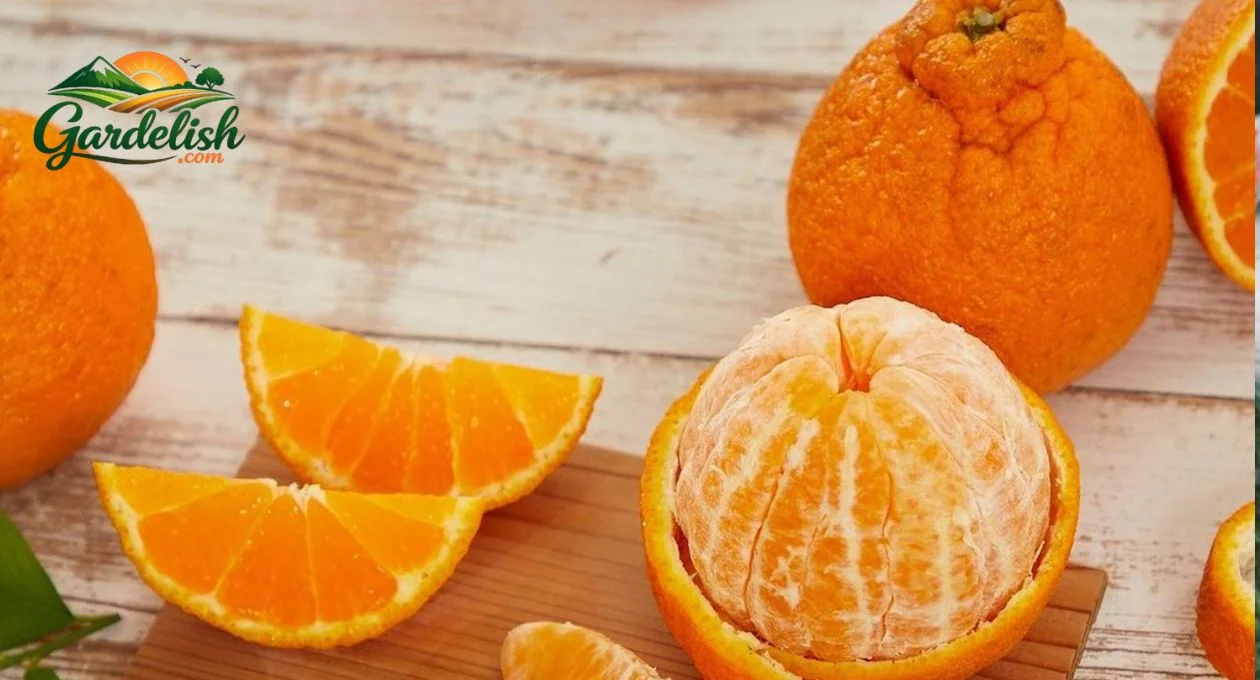
Heat is another quiet stressor. During extreme hot spells, citrus trees may drop fruit, curl leaves, or struggle to maintain steady growth. Mulching with composted bark, wood chips, or leaf mold can help moderate soil temperature and conserve moisture, but commercial groves need large-scale irrigation and careful water management.
When several weather problems happen in the same growing region, supply can tighten quickly. That pressure often shows up later as higher prices for fresh oranges and orange juice.
Labor, Harvesting, and Packaging Add to the Cost
Oranges may look simple, but getting them to market is skilled work. Fruit must be harvested at the right maturity, handled gently, sorted by size and quality, packed securely, and kept in suitable storage conditions.
Unlike a home gardener picking a few fruit into a basket, commercial citrus harvest involves crews, equipment, food safety procedures, bins, transport trucks, packing lines, and quality grading. Fruit with scars, sunburn, pest damage, or uneven color may be downgraded even if it still tastes good.
This is why attractive, uniform oranges often cost more than imperfect fruit. Shoppers are not only paying for sweetness; they are also paying for appearance, consistency, and the handling needed to deliver fruit without bruising or spoilage.
Can Growing Your Own Oranges Save Money?
Growing your own oranges can save money over time if you live in the right climate, but it is not an instant solution. Outdoor orange trees perform best in warm citrus regions, often around USDA hardiness zones 9–11, depending on variety, microclimate, and frost protection.
In colder climates, gardeners can grow dwarf citrus in containers and move the plants indoors for winter. Container-grown oranges need bright light, excellent drainage, regular feeding, and consistent watering. They also need patience. A potted tree may produce fewer fruit than an in-ground tree, but the flavor of a homegrown orange can be outstanding.
For beginners, dwarf Navel orange, Valencia orange, calamondin, kumquat, or mandarin types may be easier choices than large standard trees. Always buy certified disease-free nursery stock from a reputable source.
Best Growing Conditions for Healthier Orange Trees
Orange trees need full sun, ideally six to eight hours of direct light daily. In the ground, they prefer well-drained sandy loam or loamy soil with good aeration. Heavy clay can be improved with compost, but citrus roots dislike sitting in water.
Water deeply but avoid constant sogginess. Young trees need more frequent watering while roots establish. Mature trees benefit from steady moisture during flowering and fruit development, especially in dry weather.
Citrus is a hungry crop. Use a citrus fertilizer that includes nitrogen, potassium, magnesium, iron, zinc, and manganese. Yellowing leaves are often blamed on disease, but nutrient deficiencies are common, especially in alkaline soil or containers.
Keep mulch a few inches away from the trunk to prevent rot. A wide mulch ring reduces grass competition, protects shallow feeder roots, and improves soil life as organic matter breaks down.
How Gardeners Can Keep Orange Trees Productive
Healthy citrus care is mostly about consistency. Prune lightly to remove dead, crossing, or diseased branches. Avoid heavy pruning unless the tree needs structural correction, because citrus stores energy in its canopy.
Encourage pollinators by planting nectar-rich companions nearby, such as lavender, alyssum, borage, calendula, or native flowering plants suited to your region. Many orange varieties are self-fertile, but a pollinator-friendly garden supports better overall fruit set and biodiversity.
Inspect new growth for aphids, scale insects, mites, leaf miners, and Asian citrus psyllid where present. Organic gardeners often start with horticultural oil, insecticidal soap, pruning out badly infested growth, and improving plant vigor before using stronger controls.
Good sanitation matters too. Remove dropped fruit, avoid moving citrus cuttings from unknown sources, and contact local extension services if you suspect citrus greening.
Smart Ways to Buy Oranges When Prices Are High
When oranges are expensive, buy with the season instead of against it. Choose fruit that feels heavy for its size, has firm skin, and smells fresh near the stem end. A slightly scarred orange may still taste excellent, while perfect-looking fruit is not always sweeter.
Look for bagged oranges when you plan to use them quickly. They are often cheaper per pound than loose premium fruit. During peak season, buy extra and use the zest and juice in cooking, freezing juice in small portions if you have more than you can drink fresh.
You can also compare citrus types. Mandarins, tangerines, grapefruit, or locally grown citrus may be better value depending on the season. For gardeners, this is a reminder that diversity matters. A mixed citrus planting can spread harvests across more months.
FAQs
Why are oranges more expensive than some other fruits?
Oranges come from long-lived trees that take years to mature and require careful irrigation, pruning, fertilizing, pest control, harvesting, and shipping. Weather damage or disease can reduce supply for several seasons.
Does citrus greening make oranges cost more?
Yes. Citrus greening weakens trees, reduces fruit quality, and can lower harvest volume. When disease pressure affects major growing regions, oranges and orange juice can become more expensive.
Are organic oranges worth the higher price?
Organic oranges can be worth buying if you prefer certified organic growing methods. They often cost more because organic citrus production requires approved fertilizers, pest controls, and certification practices.
Can I grow oranges in a container?
Yes, dwarf orange trees can grow in large containers with full sun, well-drained potting mix, regular citrus fertilizer, and winter protection. Indoor citrus needs very bright light and careful watering.
What is the easiest orange tree for beginners?
Dwarf Navel or Valencia orange trees are popular choices in warm climates. In marginal areas, gardeners often find mandarins, kumquats, or calamondins more forgiving than full-size sweet oranges.
Conclusion
So, why are oranges so expensive? The real answer lies in the slow nature of citrus growing, the pressure of diseases like citrus greening, unpredictable weather, and the cost of harvesting and transporting delicate fruit. For gardeners, oranges are a reminder that good fruit takes time, healthy soil, steady care, and the right climate. Whether you are buying citrus at the store or growing a dwarf orange tree at home, understanding the crop makes every sweet, fragrant fruit feel a little more valuable.
Why Are Avocados So Expensive? A Gardener’s Look at the Real Cost