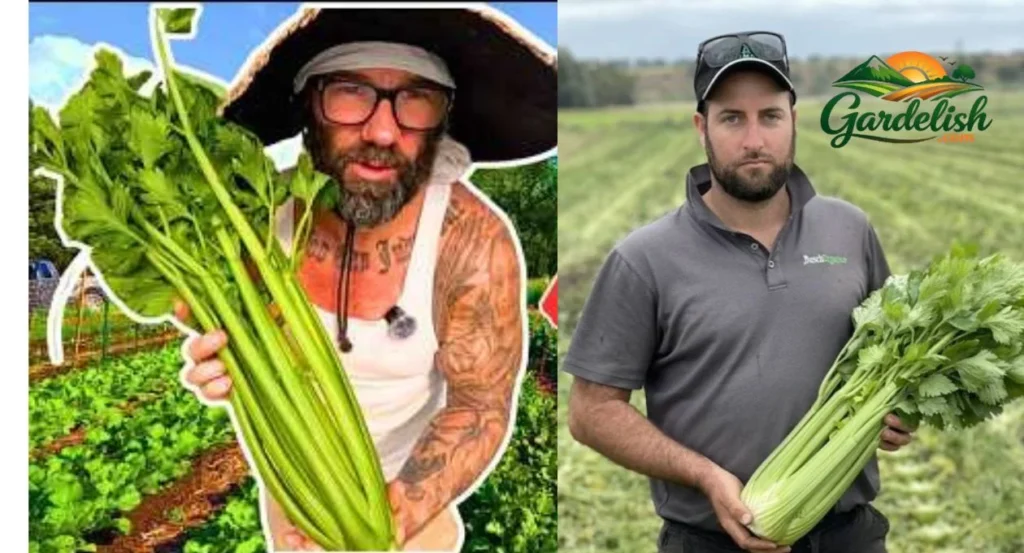
A celery shortage usually happens when commercial celery crops are hit by weather stress, disease pressure, reduced acreage, transport costs, or seasonal supply gaps. For gardeners, the good news is simple: celery may be slow and slightly demanding, but it is very possible to grow at home if you give it rich soil, steady moisture, and cool growing conditions.
Celery is not the easiest vegetable in the garden, but it is one of the most rewarding. A few healthy plants can give you crisp stalks for soups, salads, stocks, stir-fries, and fresh snacking. More importantly, growing your own celery gives you some independence when grocery prices rise or supermarket quality drops.
Why Is There a Celery Shortage?
A celery shortage is rarely caused by one single issue. It usually comes from several problems happening at the same time: poor weather in growing regions, disease in the field, lower planted acreage, high shipping costs, or delays during seasonal crop transitions.
In the United States, California is a major celery-producing state. USDA/NASS reported California celery production at 14,958,000 cwt in 2025, with 27,700 harvested acres, showing how heavily the market depends on large regional production areas.
Recent produce-market reporting also shows that celery prices can rise when disease pressure, especially Fusarium, affects supply from California growing regions. A late May 2026 market report noted that celery prices had peaked earlier because of Fusarium pressure before moving toward more normal supply.
Organic celery can be even more sensitive. Organic Produce Network reported in late May 2026 that California organic celery supply was extremely limited, with availability mainly coming from Mexico during a transition gap.
For shoppers, this can look like higher prices, smaller bunches, less organic celery, or stalks that seem older and more fibrous than usual.
What a Celery Shortage Means for Home Gardeners
For home gardeners, a celery shortage is a reminder that some vegetables are more fragile in the supply chain than they look. Celery is bulky, water-heavy, slow to mature, and sensitive to heat, cold, drought, and disease.
That does not mean every gardener needs to become self-sufficient in celery. But even a small planting can help. Six to ten plants can provide plenty of stalks for a household if you harvest outer stems gradually instead of cutting the entire plant at once.
Homegrown celery also gives you more control over freshness. Store-bought celery is often harvested, cooled, packed, shipped, stored, and displayed before it reaches your kitchen. Garden celery can go from soil to soup pot in minutes.
If you already grow lettuce, parsley, chard, leeks, or spring onions, celery fits naturally into the same cool-season vegetable garden.
Celery Growing Quick Guide
| Growing Need | Best Practice |
| Botanical name | Apium graveolens var. dulce |
| Crop type | Cool-season biennial grown as an annual |
| Sunlight | Full sun in cool climates, afternoon shade in hot climates |
| Soil | Fertile, moisture-retentive, rich in compost |
| Soil pH | Slightly acidic to neutral, around 6.0–7.0 |
| Water | Consistent moisture, often 1–2 inches per week |
| Feeding | Heavy feeder; benefits from compost and balanced organic fertilizer |
| Best season | Spring or fall, depending on climate |
| Harvest time | Often 90–120+ days from transplanting |
| Best for beginners | Transplants are easier than direct seeding |
Michigan State University Extension notes that celery grows best in soil with high organic matter because it is a heavy feeder and needs abundant, consistent moisture. Utah State University Extension also recommends consistently moist soil, with about 1–2 inches of water per week for tender stalks.
How to Grow Celery During a Celery Shortage
The best way to respond to a celery shortage in the garden is to plant celery as a planned cool-season crop, not as an afterthought.
Celery grows slowly. Seeds are tiny, seedlings are delicate, and mature plants need steady care. If you start too late in hot weather, the plants may become tough, bitter, hollow, or stressed. If you expose young plants to cold too early, they may bolt and produce flower stalks instead of thick edible stems.

Start seeds indoors 10–12 weeks before your ideal transplanting time. In cooler climates, this usually means starting celery indoors in late winter for a spring planting. In warm climates, fall planting is often more reliable because celery can mature during cooler months.
For beginners, buying healthy transplants from a nursery is easier. Look for compact plants with green leaves, sturdy stems, and no yellowing. Avoid rootbound plants or seedlings that are already tall, thin, or stressed.
When planting outside, space plants around 8–12 inches apart in rich soil. Closer spacing can encourage taller stalks, while wider spacing allows stronger leaf growth. Keep the soil evenly moist from transplanting to harvest.
Best Soil for Crisp, Tender Celery
Celery is mostly water, so soil quality matters. Dry, poor soil usually produces stringy, tough stalks. Rich, moisture-holding soil produces cleaner, juicier growth.
The best soil for celery is:
- Deep and loose enough for roots to spread
- Rich in compost or aged manure
- Moist but not waterlogged
- Slightly acidic to neutral
- Well-drained, yet able to hold water
Before planting, work in compost, leaf mold, or well-rotted manure. If your garden soil is sandy, compost helps it hold moisture. If your soil is heavy clay, compost improves structure and drainage.
Raised beds can work well for celery if they do not dry out too quickly. In hot climates, a raised bed with drip irrigation and mulch is much better than a dry, exposed bed.
This is also a natural place to internally link to guides about soil improvement, composting, raised bed gardening, and organic fertilizers.
Watering Celery the Right Way
Watering is where many celery crops fail. Celery does not like drought stress. Even short dry periods can lead to thin stalks, bitter flavor, cracking, or poor texture.
Aim to keep the soil evenly moist, not soaked. Drip irrigation, soaker hoses, or careful hand watering at the soil line are better than shallow overhead watering.
A layer of organic mulch helps a lot. Use straw, shredded leaves, untreated grass clippings, or fine compost around the plants. Mulch keeps the root zone cool, slows evaporation, and reduces weed competition.
In warm weather, celery may need more frequent watering. Container-grown celery dries out faster than garden-grown celery, so check pots daily during hot spells.
A simple test works well: push your finger into the soil near the plant. If the top inch feels dry, water deeply.
Sunlight, Temperature, and Climate Tips
Celery is a cool-season crop, but it is also sensitive to prolonged cold. That sounds confusing at first, but it makes sense once you grow it.
Celery likes mild temperatures and steady conditions. It does not enjoy hard frost, intense summer heat, drying winds, or sudden stress.
In cool northern gardens, celery usually grows best in full sun. In hot southern or inland gardens, it often benefits from afternoon shade. Shade cloth can help protect plants when temperatures rise.
The Royal Horticultural Society notes that young celery plants are sensitive to cold and should not be exposed to temperatures below 10°C or 50°F for long periods before they are established.
In USDA Zones 3–6, celery is often grown as a spring-to-summer crop started indoors. In Zones 7–10, fall and winter celery may be easier because the plants avoid the worst summer heat.
If your summers are hot, try growing celery in partial shade, near taller crops, or in a spot that gets morning sun and afternoon protection.
Common Celery Problems and How to Prevent Them
Celery problems usually come from stress. The plant is not forgiving when moisture, nutrition, or temperature swings too much.
Tough or Stringy Stalks
This usually means the plant was stressed by heat, drought, poor soil, or slow growth. Keep soil moist, mulch well, and feed regularly.
Hollow Stems
Hollow stems can happen when plants grow unevenly or lack consistent moisture and nutrients. Avoid letting the soil dry out, then flooding it.
Bitter Flavor
Bitterness often develops in hot weather or when celery grows too slowly. Plant during the right season and harvest before plants become old and stressed.
Bolting
Bolting means the plant sends up a flower stalk. It can happen when young plants are exposed to cold or mature plants face heat stress. Harden off seedlings carefully and plant at the right time for your climate.
Yellowing Leaves
Yellowing can come from lack of nitrogen, poor drainage, root disease, or old outer leaves. Feed with compost tea, fish emulsion, or a balanced organic vegetable fertilizer if the plant looks pale.
Celery Pests and Diseases to Watch For
Celery can attract aphids, slugs, snails, leaf miners, flea beetles, and earwigs. Healthy plants are usually less vulnerable, so your first pest-control method is good growing care.
Use organic pest prevention first:
- Keep weeds down around celery plants
- Water at soil level when possible
- Encourage beneficial insects
- Remove badly damaged leaves
- Use row cover on young plants
- Hand-pick slugs and snails in the evening
- Avoid overcrowding plants
Disease can be more serious. Celery may suffer from early blight, late blight, bacterial leaf spot, root rot, and Fusarium yellows.
Fusarium yellows is especially important because it can affect commercial supply as well as garden crops. UC Agriculture and Natural Resources explains that infected celery plants may turn yellow, become stunted, show darkened roots, and develop orange-brown discoloration in the water-conducting tissue.
For home gardeners, prevention is better than treatment. Rotate celery and related crops, avoid planting in poorly drained soil, remove diseased plants, and do not compost badly infected material.
Celery belongs to the Apiaceae family, along with carrots, parsley, cilantro, dill, fennel, and parsnips. Rotating crops from this plant family can reduce repeated pest and disease pressure.
Container Gardening: Can You Grow Celery in Pots?
Yes, celery can grow in containers, but it needs a large pot and regular watering.
Choose a container at least 10–12 inches deep. Wider is better if you want to grow several plants. A fabric grow bag, deep planter, or self-watering container can work well.
Use a high-quality potting mix with compost added. Garden soil alone is usually too heavy for containers and may drain poorly.
Container celery needs:
- Consistent moisture
- A rich potting mix
- Partial shade in hot weather
- Regular feeding
- Enough space for root growth
Self-watering containers are especially useful because celery dislikes drying out. If you often forget to water, this is one of the best ways to grow celery successfully.
For apartment gardeners, cutting celery or leaf celery may be easier than large stalk celery. It gives strong celery flavor in soups and salads without needing thick supermarket-style stalks.
Companion Planting for Celery
Celery grows well with many cool-season crops. It fits nicely among vegetables and herbs that enjoy fertile, moist soil.
Good companion plants include:
- Lettuce
- Spinach
- Chard
- Leeks
- Onions
- Cabbage family crops
- Marigolds
- Nasturtiums
- Parsley
- Dill, if allowed enough space
Avoid planting celery too close to thirsty or aggressive crops that compete heavily for water. Large tomato plants, corn, and sprawling squash can overwhelm celery unless spacing is generous.
Companion planting will not magically prevent a celery shortage, but it can help you use garden space wisely. A mixed vegetable bed is often more resilient than a single-crop planting.
This section is a good internal linking opportunity for articles about companion planting, organic pest control, and seasonal vegetable planning.
Harvesting Celery for the Longest Supply
You do not have to harvest celery all at once. For a longer harvest, remove outer stalks as needed and allow the inner stems to keep growing.
Harvest individual stalks when they are large enough to use. Cut them near the base with a clean knife. Leave the central growing point intact if you want the plant to continue producing.
If you prefer a full head of celery, cut the entire plant at soil level when stalks are thick, crisp, and well formed.
Homegrown celery may look different from grocery-store celery. It may be darker green, more leafy, more aromatic, and slightly thinner. That is not a problem. In fact, many gardeners prefer the stronger flavor for soups, stocks, stews, and cooking.
Celery leaves are edible too. Use them like parsley in small amounts, especially in broth, salad dressing, stuffing, and roasted vegetables.
Smart Alternatives When Celery Is Hard to Find
If celery is expensive or unavailable, gardeners and cooks still have options.
For growing, try:
- Cutting celery
- Leaf celery
- Celeriac
- Lovage
- Parsley
- Fennel stems
- Swiss chard stems for texture
For cooking, celery substitutes depend on the recipe. In soups and stocks, try fennel, parsley stems, leek tops, onion, or lovage. In salads, use cucumber, green apple, fennel bulb, or crunchy lettuce ribs.
Celeriac is especially useful because it gives a celery-like flavor from the root rather than the stalk. It is also a cool-season crop and can be stored longer than fresh celery.
If you garden in a climate where stalk celery struggles, cutting celery may be a better choice. It gives the flavor without demanding the same thick, pale stalks.
Conclusion
A celery shortage can make shoppers notice how dependent fresh produce is on weather, disease control, transport, and large farming regions. But for gardeners, it can also be a useful push toward growing more of what we use every week.
Celery asks for patience. It needs rich soil, steady moisture, mild weather, and regular care. But once you understand those needs, it becomes a very practical home garden crop.
Start small. Grow a few plants in compost-rich soil. Mulch them well, water deeply, and harvest outer stalks gradually. Even if you never replace every bunch from the grocery store, you will gain fresher flavor, better control, and a deeper connection to your kitchen garden.
FAQs
Why is there a celery shortage?
A celery shortage usually happens because of weather problems, disease pressure, reduced acreage, high transport costs, or seasonal supply gaps in major growing regions.
Can I grow celery at home during a celery shortage?
Yes. Celery can be grown at home if you provide cool weather, rich soil, consistent moisture, and enough time for slow growth.
How long does celery take to grow?
Celery often takes around 90–120 days or longer from transplanting, depending on the variety, weather, and growing conditions.
Why is my homegrown celery stringy?
Stringy celery usually comes from drought stress, heat, poor soil, or uneven watering. Keep the soil consistently moist and feed the plants regularly.
What is the easiest celery alternative to grow?
Cutting celery or leaf celery is often easier than traditional stalk celery. It gives strong celery flavor and usually handles home garden conditions better.
Conclusion
A celery shortage can raise prices and reduce supermarket quality, but gardeners can respond by growing celery at home. With compost-rich soil, steady watering, cool weather, and careful harvesting, homegrown celery can become a reliable and flavorful crop in the seasonal vegetable garden.