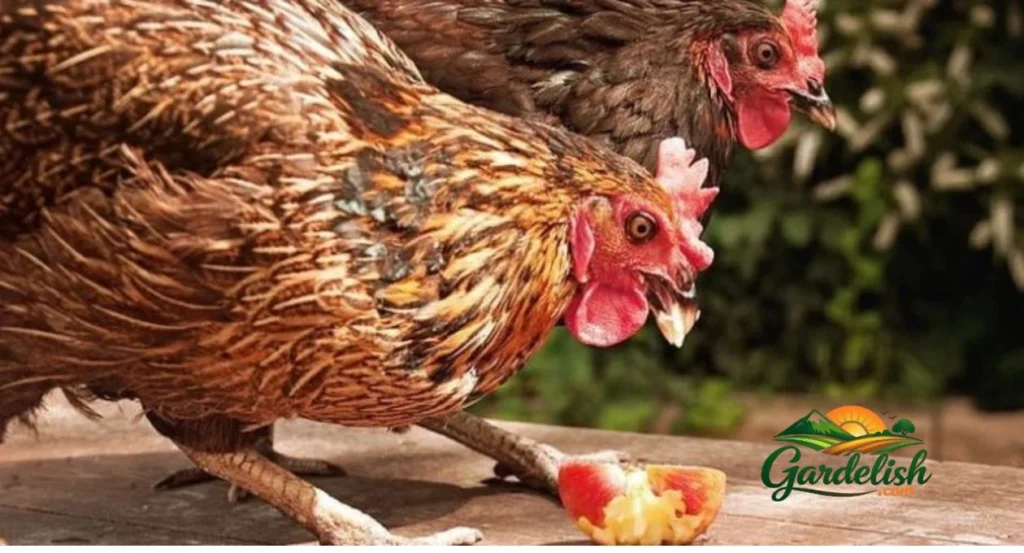
Yes, chickens can have apples, and most backyard hens enjoy them. Apple flesh and peel are safe as an occasional treat, especially when chopped into small pieces. The important part is moderation. Apples should never replace a balanced poultry feed, and it is best to remove the seeds, core, and stem before serving.
For gardeners who keep chickens, apples can be a useful way to reduce waste from the orchard, kitchen, or backyard fruit trees. Windfall apples, slightly bruised fruit, and trimmed slices can become a fresh treat for the flock instead of going straight to the compost pile. Still, not every apple is suitable. Moldy, fermented, heavily sprayed, or rotten apples should be kept away from chickens.
Quick Answer: Can Chickens Have Apples?
Chickens can eat apples safely when the fruit is fresh, clean, and served in small amounts. The flesh and skin are fine for adult chickens. Apple seeds should be removed because they contain natural compounds that are not ideal for poultry when eaten in quantity.
A few accidental seeds are not usually a reason to panic, but good flock care is about prevention. Slice the apple, remove the core, and offer small pieces. This makes the fruit easier to eat and reduces the risk of choking or digestive upset.
Apples are best treated as a snack, not a main food. Your hens still need a complete layer feed, fresh water, grit, and access to calcium sources such as oyster shell if they are laying eggs.
Why Apples Can Be a Good Treat for Backyard Chickens
Apples are crisp, refreshing, and naturally sweet, which makes them appealing to chickens. In warm weather, chilled apple slices can give hens a little extra moisture and enrichment. In a garden setting, apple scraps can also help make backyard chicken keeping feel more circular and low-waste.
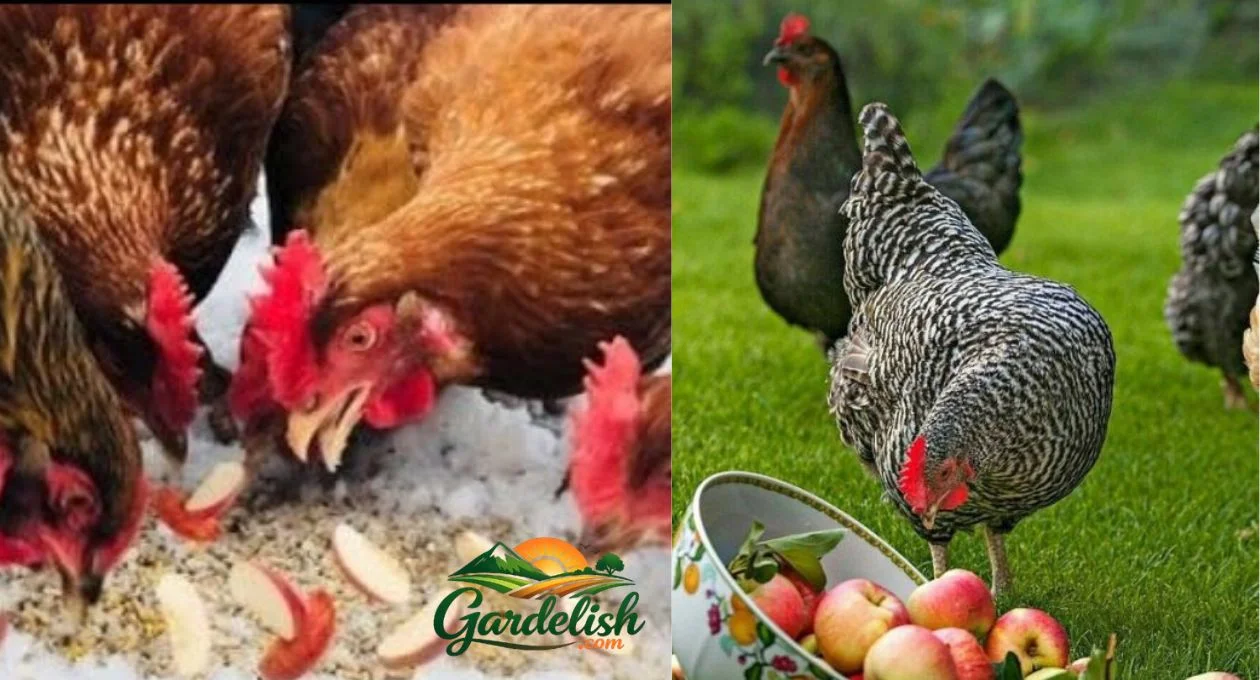
For example, if you grow apple trees, espalier fruit trees, or mixed backyard orchard plants, you may end up with blemished fruit after pruning, thinning, pest damage, or windfall drop. Many of those apples are still perfectly usable for chickens if they are fresh and not moldy.
Apples also encourage natural pecking behavior. Chickens enjoy investigating food, scratching around it, and working at firm fruit. This kind of enrichment is useful in enclosed runs, especially during wet weather, winter months, or times when the flock has less access to fresh grass and garden insects.
How to Feed Apples to Chickens Safely
The safest way to feed apples is to wash them, remove the core, discard the seeds, and cut the fruit into bite-sized pieces. Small chunks are easier for hens to peck and swallow than large hard pieces.
If your chickens are used to treats, you can scatter chopped apple in the run so every bird gets a chance to eat. This reduces bullying from dominant hens. For a slower feeding activity, hang a whole cored apple from a string in the run. The birds will peck at it gradually, which keeps them busy.
Avoid giving chickens apple pie, sweetened applesauce, caramel apples, or heavily processed apple foods. These often contain sugar, butter, spices, preservatives, or ingredients that do not belong in a chicken’s diet.
Fresh is always better. A clean apple from the kitchen, garden basket, or orchard floor is much safer than fruit that has been lying under a tree long enough to rot or ferment.
Apple Seeds, Cores, and Common Safety Concerns
Apple seeds are the main concern. They contain amygdalin, a natural plant compound that can release cyanide when broken down. Chickens would usually have to eat more than a few seeds for serious trouble, but there is no good reason to include them when preparation takes only a minute.
The core can also be tough and awkward for some birds to eat. Removing it makes the treat cleaner, safer, and easier to digest.
Mold is another issue. Moldy apples should never be fed to chickens. In a damp garden, fallen fruit can quickly grow fungal growth, especially under mulch, leaf litter, or dense grass. If an apple smells sour, feels slimy, has visible mold, or looks rotten, put it in a safe composting system instead of the chicken run.
Also be careful with pesticide-treated fruit. If apples came from a tree that was sprayed, wash them well and avoid using fruit that may have chemical residue. Organic gardening practices, careful pest control, and clean harvesting habits all make backyard fruit safer for poultry.
How Often Should Chickens Eat Apples?
Apples should be offered occasionally, not daily as a major part of the diet. A few small pieces once or twice a week is enough for most backyard flocks.
A helpful rule is to think of apples the same way you think of other garden treats: useful, enjoyable, but secondary. Leafy greens, vegetable trimmings, melon rinds, pumpkins, herbs, and garden weeds can all be part of flock enrichment, but they should not crowd out proper feed.
Too much fruit can lead to loose droppings because apples contain water and natural sugars. If you notice watery manure after feeding fruit, reduce the amount and return to a simple diet of layer feed, water, grit, and a few safe greens.
For chicks, it is better to be cautious. Young chicks have delicate digestive systems and need chick starter feed first. Small apple shavings can be introduced later in tiny amounts, but only when they have access to proper grit.
Using Garden Apples Without Creating Coop Problems
Gardeners often ask about feeding fallen apples to chickens. The answer depends on the condition of the fruit. Fresh windfall apples are usually fine after washing and cutting. Apples that are brown, fizzy-smelling, moldy, or full of pests are not worth the risk.
Do not dump large piles of apples into the run. A pile of sweet fruit can attract flies, wasps, rodents, raccoons, and other unwanted visitors. It can also create a damp, sticky patch in the bedding, especially in clay soil areas or poorly drained runs.
A better method is to feed only what your flock can finish quickly. Any leftovers should be removed before evening. This is especially important in warm months when fruit ferments fast.
If you have too many apples, divide them between uses. Good fruit can go to the kitchen, clean scraps can go to chickens, and damaged fruit can go into hot compost. A well-managed compost pile is useful for soil improvement, raised beds, vegetable gardens, and orchard mulching, but it should be kept separate from the coop if it attracts pests.
Best Ways to Serve Apples in a Chicken-Friendly Garden
Chopped apple is the easiest option, but there are several practical ways to serve it.
You can grate apple over a small amount of feed during hot weather for extra interest. You can freeze chopped apples in a shallow tray of water and offer the icy block as summer enrichment. You can also hang a cored apple in the run to give hens a pecking activity.
Some gardeners mix tiny apple pieces with safe herbs such as oregano, thyme, parsley, or mint. These herbs are common in kitchen gardens and are generally safe in small amounts. The goal is not to “medicate” the flock but to add variety and encourage natural foraging behavior.
Apple pieces can also be mixed with chopped greens from the garden, such as lettuce leaves, kale trimmings, cabbage edges, or bolted spinach. Keep the portions modest and avoid salty, oily, or spoiled kitchen scraps.
Apples, Chicken Manure, and the Backyard Garden Cycle
One of the best parts of keeping chickens in a garden is the natural cycle between plants, food scraps, bedding, manure, and compost. Apples fit into that system when used wisely.
Chickens eat clean fruit scraps. Their manure and bedding can later become compost. After proper composting, that material can improve soil structure, feed microorganisms, and support vegetables, herbs, fruit trees, and ornamental beds.
Fresh chicken manure is too strong for many plants because it is high in nitrogen. It can burn roots if applied directly. Composting it first allows the bedding, manure, leaves, and garden waste to break down into a safer soil amendment.
This is where apple waste can be useful. Fruit scraps can add moisture and organic matter to compost, but balance matters. Too much fruit makes compost wet, acidic, and attractive to pests. Mix fruit waste with dry carbon materials such as straw, shredded leaves, wood shavings, or dry plant stems.
Signs Apples Are Not Agreeing With Your Flock
Most chickens handle small apple treats well, but every flock is different. Watch their droppings and behavior after introducing any new food.
Loose droppings, reduced interest in regular feed, unusual quietness, or crop discomfort can signal that the treat was too much or not suitable. If several birds develop watery droppings after eating apples, stop fruit treats for a few days and return to their normal ration.
Choking is uncommon but possible with large hard chunks. That is why small pieces are better. Older hens, bantams, and very young birds may need softer or finely chopped portions.
If a bird appears seriously unwell, stops eating, struggles to breathe, or has a swollen crop, contact a poultry-aware veterinarian or local agricultural extension service for guidance.
FAQ
Can chickens eat apple skin?
Yes, chickens can eat apple skin. The peel is safe when the apple is clean and fresh. Wash the fruit first, especially if it is store-bought or may have been sprayed.
Can chickens eat apple cores?
It is better not to feed apple cores. The core is tough, awkward to eat, and contains seeds. Remove it before giving apples to your flock.
Can chickens eat fallen apples from the garden?
Chickens can eat fresh fallen apples if they are not moldy, rotten, fermented, or contaminated. Wash them, cut away damaged areas, and remove the seeds before feeding.
Are apples good for laying hens?
Apples can be a healthy occasional treat for laying hens, but they do not replace layer feed. Laying hens need balanced protein, calcium, minerals, and steady access to clean water.
Can baby chicks eat apples?
Baby chicks should mainly eat chick starter feed. Tiny apple shavings can be offered later in very small amounts, but only when chicks have access to suitable grit.
Conclusion:
So, can chickens have apples? Yes, they can, as long as the apples are fresh, clean, seed-free, and served in moderation. For backyard gardeners, apples are a practical way to turn safe fruit scraps into flock enrichment while keeping waste low. Remove the seeds and core, avoid moldy windfalls, and treat apples as a snack rather than a staple. Done properly, apples can fit neatly into a healthy chicken-keeping and garden-care routine.