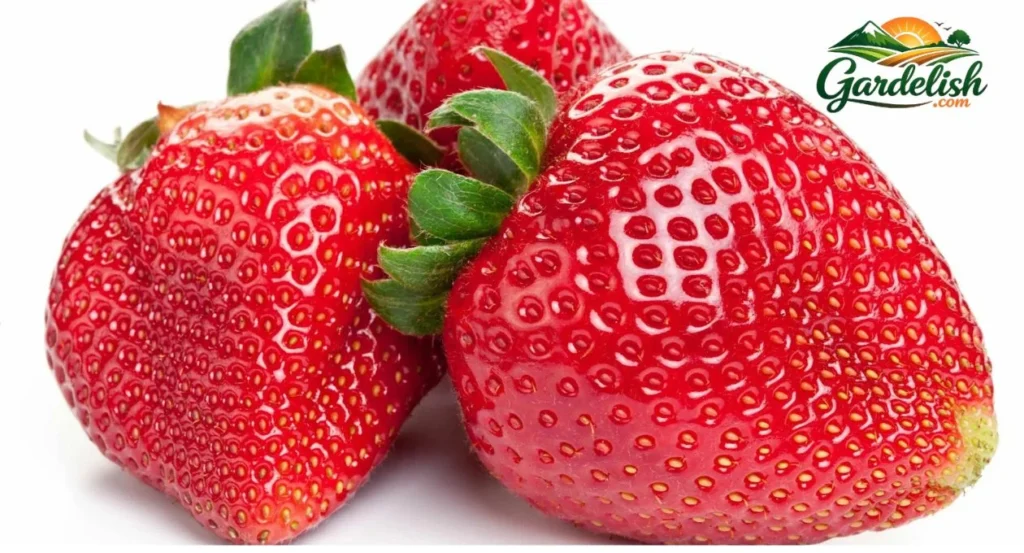
A strawberry shortage can feel frustrating when fresh berries are expensive, hard to find, or disappointing in quality. For gardeners, though, it is also a useful reminder: strawberries are one of the most rewarding fruits to grow at home, even in a small raised bed, container garden, or sunny balcony.
Shortages usually happen when commercial growers face weather stress, poor pollination, disease pressure, labor challenges, or transportation problems. Because strawberries are soft, highly perishable fruits, even a short disruption can affect what shows up at grocery stores.
The good news is that home gardeners can reduce their dependence on store-bought berries by growing productive strawberry plants suited to their climate, soil, and available space.
Why a Strawberry Shortage Happens
Strawberries, botanically known as Fragaria × ananassa, are more sensitive than many people realize. Commercial fields depend on a narrow window of favorable weather, healthy crowns, good soil drainage, pollinator activity, and careful harvesting.
A strawberry shortage may be linked to:
- Late frosts damaging flowers
- Heavy rain causing fruit rot
- Heat waves reducing fruit size and quality
- Drought stress limiting plant growth
- Fungal diseases such as gray mold or powdery mildew
- Poor pollination leading to misshapen berries
- Transportation delays because ripe strawberries spoil quickly
Unlike apples or potatoes, strawberries do not store well for long periods. Once picked, they need careful cooling and fast distribution. That makes the strawberry supply chain especially vulnerable when growing conditions are uneven.
For home gardeners, this explains why a backyard strawberry patch is not just charming; it can be genuinely practical.
What a Strawberry Shortage Means for Home Gardeners
A strawberry shortage does not mean you need a large garden to make a difference. A few well-grown plants can provide fresh berries for snacking, breakfast bowls, desserts, and preserves.
Homegrown strawberries also give you more control over flavor. Many supermarket berries are grown for shelf life and shipping strength, while garden varieties can be chosen for sweetness, aroma, and tenderness.
If you garden in USDA hardiness zones 4–9, you can usually grow strawberries outdoors with the right variety and seasonal care. In colder climates, winter protection is important. In hotter regions, afternoon shade, mulch, and consistent moisture help plants cope with heat.
This is also a smart time to explore related gardening skills such as soil improvement, composting, raised bed gardening, organic fertilizers, companion planting, and seasonal planting guides.
Choose Strawberry Varieties That Fit Your Climate
The most reliable strawberry patch starts with the right type of plant. Strawberries are generally grouped into three main categories.
June-bearing strawberries produce one main crop in late spring or early summer. They are excellent for gardeners who want a large harvest for jam, freezing, or baking. Popular types include ‘Earliglow’, ‘Jewel’, and ‘Chandler’.
Everbearing strawberries produce two to three smaller harvests, often in spring and again in late summer or fall. They are useful for gardeners who prefer a steady supply rather than one heavy flush.
Day-neutral strawberries fruit over a longer season when temperatures are moderate. Varieties such as ‘Albion’, ‘Seascape’, and ‘Mara des Bois’ are popular in many home gardens because they can produce berries for months with proper care.
In cooler climates, choose cold-hardy cultivars and mulch crowns before winter. In warm regions, look for heat-tolerant varieties and plant during the cooler part of the year. Local nurseries often carry varieties better suited to your area than generic mail-order selections.
Build the Right Soil Before You Plant
Strawberries grow best in fertile, well-drained soil with a slightly acidic pH, ideally around 5.5 to 6.8. They dislike soggy roots, compacted clay, and poor air circulation around the crown.
Before planting, loosen the soil deeply and mix in finished compost or well-rotted organic matter. This improves drainage, moisture retention, and microbial life. If your soil is heavy clay, consider raised beds or mounded rows to keep roots from sitting in water.
Avoid planting strawberries where tomatoes, peppers, potatoes, or eggplants recently grew. These crops can share soilborne diseases such as Verticillium wilt. A simple crop rotation plan helps reduce disease pressure over time.
For best results, prepare the bed several weeks before planting. Add compost, remove perennial weeds, and water the area to encourage weed seeds to sprout before you plant. Then lightly cultivate again before setting out your strawberry crowns.
Planting Strawberries for a Reliable Crop
Strawberries can be planted from bare-root crowns, plugs, or potted plants. Bare-root plants are economical and widely available in spring, while potted plants establish quickly and are easier for beginners to handle.
Plant strawberries where they receive at least six to eight hours of direct sun. More sun usually means better flowering, stronger plants, and sweeter fruit.
The most important planting detail is crown depth. The crown is the central growing point where roots and leaves meet. If planted too deep, it may rot. If planted too shallow, the roots can dry out. Set the plant so the crown sits right at soil level.
Space plants about 12–18 inches apart, depending on the variety and growing system. June-bearing strawberries often work well in matted rows, where runners are allowed to root and fill the bed. Day-neutral types are often better managed with fewer runners so the plant puts more energy into fruit.
After planting, water deeply and mulch lightly with clean straw, pine needles, shredded leaves, or untreated grass clippings.
Watering, Mulching, and Feeding for Bigger Harvests
Strawberries need consistent moisture, especially during flowering and fruit development. Dry soil can lead to small berries, poor fruit set, and stressed plants. Aim for evenly moist soil rather than constant wetness.
Drip irrigation or a soaker hose is ideal because it delivers water to the root zone while keeping leaves and fruit drier. Wet foliage encourages fungal problems, especially in humid climates.
Mulching is one of the simplest ways to improve strawberry production. A good mulch helps:
- Keep berries clean
- Reduce weed competition
- Hold soil moisture
- Protect shallow roots
- Limit soil splash that spreads disease
Feed strawberries carefully. Too much nitrogen creates lush leaves but fewer berries. Compost, balanced organic fertilizer, fish emulsion, seaweed extract, or berry-specific fertilizer can be useful when applied according to the plant’s growth stage.
For June-bearing strawberries, fertilize after renovation once the main crop is finished. For day-neutral and everbearing types, use lighter, regular feeding during the growing season.
Pollination and Companion Planting for Better Fruit Set
Strawberry flowers are self-fertile, but they still benefit from pollinators. Bees, hoverflies, and other beneficial insects help produce fuller, better-shaped berries. Poor pollination often results in small, lumpy, or misshapen fruit.
To encourage pollinators, grow flowering herbs and companion plants nearby. Good options include borage, thyme, chives, calendula, alyssum, dill, and lavender. These plants can attract beneficial insects while adding beauty and diversity to the garden.
Avoid spraying pesticides during bloom. Even organic sprays can harm pollinators if used carelessly. If pest control is necessary, apply treatments in the evening when bees are less active and always follow label directions.
Companion planting is not magic, but a biodiverse garden is often more resilient. Mixed plantings can support pollinators, reduce pest outbreaks, and improve the overall health of a small fruit garden.
Prevent Pests and Diseases Before They Reduce Your Crop
A homegrown strawberry harvest can disappear quickly if pests and diseases are ignored. The best approach is prevention.
Common strawberry pests include slugs, aphids, spider mites, tarnished plant bugs, birds, and sometimes earwigs. Slugs are especially troublesome in damp mulch or rainy weather. Use clean straw, improve air circulation, and pick fruit promptly to reduce hiding places.
Bird netting can protect ripening berries, but it should be secured carefully so birds and small animals do not become trapped. Some gardeners prefer lightweight row covers before bloom and remove them once flowers open for pollination.
Diseases are often linked to moisture and crowding. Gray mold, also called Botrytis fruit rot, thrives in damp conditions. Powdery mildew can appear as white, dusty growth on leaves. Leaf spot diseases may weaken plants over time.
To reduce disease pressure:
- Water at soil level
- Space plants properly
- Remove old or infected leaves
- Harvest ripe fruit promptly
- Replace tired plants every few years
- Avoid working in wet beds
Healthy soil, good drainage, and steady airflow are more effective than reacting after disease has already spread.
Growing Strawberries in Containers When Space Is Limited
Container gardening is one of the easiest ways to respond to a strawberry shortage if you do not have a traditional garden. Strawberries grow well in pots, hanging baskets, grow bags, window boxes, and tiered planters.
Choose a container with drainage holes and use a high-quality potting mix rather than heavy garden soil. A mix containing compost, pine bark, coir, or perlite usually provides better drainage and root aeration.
Day-neutral and everbearing strawberries are especially useful in containers because they can produce berries over a longer season. Place containers in full sun and check moisture often. Pots dry out faster than garden beds, especially during hot or windy weather.
In cold climates, container strawberries need winter protection. Move pots to an unheated garage, sheltered porch, cold frame, or protected outdoor spot. The goal is to keep crowns dormant without allowing the roots to freeze solid and dry out.
Harvesting and Propagating Your Own Plants
Pick strawberries when they are fully colored and fragrant. Unlike some fruits, strawberries do not continue to ripen significantly after picking. Harvest in the morning after dew has dried, and leave a small stem attached to help berries stay fresh a little longer.
Handle fruit gently. Garden strawberries can be softer and juicier than supermarket berries, which is part of their charm.
One of the biggest advantages of growing strawberries is propagation. Many varieties send out runners, which are small plantlets attached to the mother plant. You can guide these runners into the soil, let them root, and then separate them once established.
This is a simple way to expand your strawberry bed without buying new plants every season. However, do not allow too many runners to develop if you are growing day-neutral varieties for fruit production. Too many young plants can reduce the mother plant’s energy for berries.
Renovate older June-bearing beds after harvest by thinning crowded plants, removing old leaves, adding compost, and refreshing mulch. Most strawberry patches are most productive for about three to four years before they need replacement.
A Practical Home Plan During a Strawberry Shortage
The best home strategy is to grow strawberries in layers. Plant some June-bearing varieties for a strong early harvest and add day-neutral plants for fresh berries later in the season.
A simple beginner plan might include:
- A 4-by-4-foot raised bed with June-bearing strawberries
- Two or three containers of day-neutral strawberries
- Compost added each spring
- Straw mulch during fruiting season
- Drip irrigation or careful watering at soil level
- Netting when berries begin to ripen
This approach gives you flexibility. If one planting struggles because of weather, pests, or poor fruit set, another may still perform well.
Gardeners in hot climates can plant strawberries in fall for winter and spring harvests. Gardeners in colder regions often plant in spring and protect crowns through winter. Matching your planting schedule to your climate is one of the most important steps toward success.
SEO Meta Title:
Strawberry Shortage: Grow More Berries at Home
Meta Description:
Learn why a strawberry shortage happens and how to grow productive strawberries at home with practical soil, watering, pest, and harvest tips.
FAQs
What Causes a Strawberry Shortage?
A strawberry shortage usually happens when frost, heavy rain, heat, drought, disease, poor pollination, labor issues, or transportation delays reduce the supply of fresh strawberries.
Can I Grow Strawberries at Home During a Strawberry Shortage?
Yes. Strawberries are easy to grow at home in raised beds, containers, hanging baskets, grow bags, or sunny patios. With good soil, regular watering, and enough sunlight, even a small space can produce fresh berries.
Which Strawberry Type Is Best for Beginners?
Day-neutral strawberries are often the best choice for beginners because they can produce fruit over a longer season and grow well in containers. June-bearing strawberries are better if you want one larger harvest.
How Much Sunlight Do Strawberry Plants Need?
Strawberry plants need at least six to eight hours of direct sunlight each day. More sunlight usually leads to stronger plants, better flowering, and sweeter berries.
How Can I Get More Strawberries From My Plants?
To increase your harvest, plant strawberries in fertile, well-drained soil, keep the crowns at the correct depth, water consistently, mulch around the plants, attract pollinators, and remove old or diseased leaves.
Conclusion
A strawberry shortage can make fresh berries more expensive or harder to find, but home gardeners have a practical advantage. Strawberries are productive, compact, and suitable for raised beds, containers, and small gardens.
Choose the right variety, plant in healthy soil, water consistently, mulch well, support pollinators, and protect plants from pests and disease. With steady care, even a small strawberry planting can give you fresher, sweeter berries than the ones from the store.