A pears shortage happens when fewer good-quality pears reach stores because of weather damage, poor pollination, orchard disease, labor pressure, or reduced production in major growing regions. For shoppers, this can mean higher prices, fewer varieties, and shorter seasonal availability. For gardeners, it is also a reminder that pear trees need the right climate, soil, pruning, watering, and disease prevention to crop well.
Pear trees can be generous, long-lived fruit trees, but they are not completely carefree. A late frost can ruin blossom. A wet spring can increase fire blight risk. Drought can reduce fruit size. Poor pollination can leave a tree full of flowers but almost empty at harvest.
That is why the current conversation around pear availability matters to home growers too. The same problems affecting commercial orchards can show up in backyard gardens, just on a smaller scale. If you grow pears or plan to plant a pear tree, understanding the shortage helps you make better choices from the start.
What Does a Pears Shortage Actually Mean?
A pears shortage does not usually mean pears disappear completely. It more often means the supply is smaller than usual, the fruit is less consistent, or certain pear varieties become harder to find.
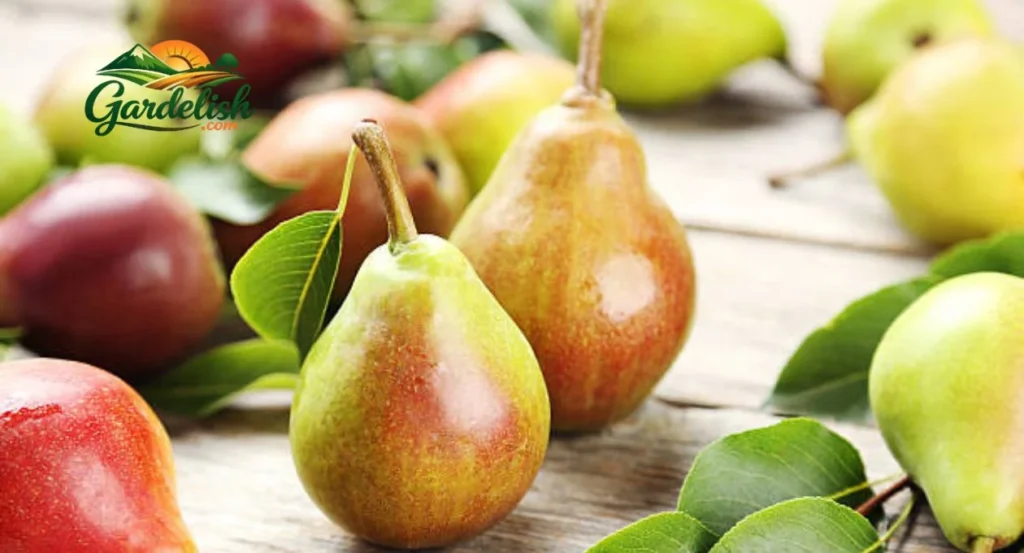
You may notice fewer Bartlett, Bosc, Anjou, or Comice pears in stores. Prices may rise during parts of the season. Retailers may rely more on imports. In some areas, pears may still be available, but the quality, size, or variety selection may not be what shoppers expect.
For commercial growers, a short crop can mean fewer boxes packed and shipped. For gardeners, it can mean seeing the same pattern at home: plenty of spring flowers, but poor fruit set; fruit that drops early; or pears that stay small because the tree was stressed during summer.
The main lesson is simple. Pear production depends on a chain of seasonal events. The tree must rest properly in winter, bloom safely in spring, receive pollination, avoid serious disease, develop fruit through summer, and reach harvest without major damage. If one part of that chain breaks, the crop suffers.
Main Causes of the Pears Shortage
The biggest causes of pear shortages are weather extremes, disease pressure, pollination failure, aging orchards, labor challenges, and shipping or storage issues. These problems often overlap, which is why pear supply can change sharply from one season to the next.
Extreme weather can damage the crop early
Pear trees are sensitive during bloom. A cold snap at the wrong time can damage blossoms before fruit forms. Even a mature tree cannot produce a good crop if most flowers are killed by frost.
Heat and drought create different problems. When pear trees do not receive enough moisture during fruit development, pears may stay smaller, drop early, or develop poor texture. Heatwaves can also stress young trees, especially those planted in exposed soil without mulch.
Heavy rain during bloom can reduce bee activity and increase disease pressure. In humid climates, warm wet weather is especially concerning because it can favor bacterial and fungal problems.
Disease and pests reduce marketable fruit
Pear trees are vulnerable to several pests and diseases, but fire blight is one of the most serious. This bacterial disease can blacken blossoms, wilt young shoots, and make branch tips look scorched. In severe cases, it can damage large limbs or weaken the entire tree.
Pear psylla is another common problem in pear-growing regions. These small sap-feeding insects can weaken trees and leave sticky honeydew on leaves and fruit. Codling moth, mites, aphids, pear scab, and fungal leaf spots can also reduce fruit quality.
In a home garden, these problems may not wipe out the whole tree, but they can reduce the harvest enough to feel like a personal pear shortage.
Pollination problems lead to poor fruit set
Many pear trees need a compatible pollination partner nearby. A single pear tree may bloom beautifully but produce little fruit if the right pollen is not available at the right time.
Weather can make this worse. Bees are less active during cold, rainy, or windy bloom periods. If bloom only lasts a short time and pollinators cannot work, fruit set may be poor even when two compatible trees are planted.
This is one of the most common reasons beginner gardeners feel disappointed with pears. The tree looks healthy. It flowers well. But the fruit never follows.
Aging orchards and rising costs affect supply
Commercial pear orchards require long-term investment. Trees take time to establish, and older orchard blocks may become less productive or harder to manage. Replanting is expensive, especially when land, labor, irrigation, pest control, and packing costs are high.
Some growers may switch to other crops that are easier to manage or more profitable. Over time, that can reduce pear acreage and make the market more sensitive to bad weather years.
Pears are delicate after harvest
Pears bruise easily and need careful picking, cooling, storage, and transport. European pears are usually harvested mature but firm, then ripened later. If fruit is picked too late, stored poorly, or delayed in transport, quality can decline quickly.
This means a pear shortage is not only about what happens on the tree. It is also about what happens after harvest.
How the Pears Shortage Affects Gardeners and Consumers
For consumers, the effects are straightforward: fewer pears, higher prices, smaller fruit, or less variety. Some stores may carry pears for a shorter period, while others may replace familiar varieties with whatever is available.
For gardeners, the shortage highlights a bigger issue. Pears are productive only when the tree is well matched to the site. A tree planted in poor drainage, heavy shade, or the wrong climate may survive for years without giving a reliable crop.
A home pear tree can help reduce dependence on store supply, but only if it is planted and managed well. One healthy semi-dwarf pear tree can produce a useful harvest once established. Two compatible trees are even better. A badly chosen tree, however, may become a long-term frustration.
Can You Grow Your Own Pears at Home?
Yes, many gardeners can grow pears at home, especially in temperate climates with cool winters and moderate summers. Pears generally grow well in many areas of USDA hardiness zones 4 to 8, though variety choice matters.
European pears, such as Bartlett, Bosc, Anjou, and Comice types, are the classic soft-ripening pears used for fresh eating, baking, and preserving. Asian pears are usually crisp, juicy, and apple-like in texture. Both can be excellent in home gardens, but they need the right growing conditions.
Before planting, check three things:
Your winter chill and hardiness zone.
Your local fire blight pressure.
The pollination needs of the variety.
In colder regions, choose hardy cultivars known to handle winter conditions. In warm or humid regions, look for disease-tolerant varieties and avoid early-blooming trees that are likely to be hit by spring weather swings.
If space is limited, choose a semi-dwarf or dwarf pear tree. Standard pear trees can become large and difficult to prune, spray, and harvest. Espaliered pears along a fence or wall can also work well in small gardens, as long as they receive enough sun and air movement.
Best Growing Conditions for Healthy Pear Trees
Pear trees need full sun, good drainage, steady moisture, and balanced soil fertility. A pear tree planted in the wrong place may grow leaves but fail to fruit well.
Choose a sunny site with at least six hours of direct sunlight per day. In cooler climates, more sun is better. Shade reduces flower bud development and can increase disease pressure because leaves dry more slowly after rain.
Soil should be well-drained and moderately fertile. Pears can tolerate slightly heavier soil than peaches or cherries, but they do not like standing water around their roots. If your soil is heavy clay, improve structure with compost and plant slightly high rather than burying the root crown too deeply.
Mulch is one of the simplest ways to support pear tree health. A wide ring of wood chips, shredded bark, straw, or leaf mold helps conserve moisture, moderate soil temperature, and reduce weed competition. Keep mulch a few inches away from the trunk so bark stays dry.
Water young trees deeply during dry periods, especially in the first two or three years. Mature trees are more resilient, but drought during fruit development can still reduce fruit size and quality. Drip irrigation or slow deep watering is better than frequent shallow watering.
Avoid heavy nitrogen fertilizer unless the tree clearly needs it. Too much nitrogen encourages soft, fast growth, which can attract pests and increase fire blight risk. A yearly layer of compost is often enough for a healthy backyard pear tree.
Pollination Tips for a Better Pear Harvest
Pollination is one of the most important parts of growing pears successfully. Many pear varieties are not reliably self-fertile, so they need another compatible pear variety blooming nearby.
A good pollination partner should bloom at roughly the same time. It should also be close enough for bees to move pollen between trees. In a small garden, two semi-dwarf trees are often a better choice than one lonely pear tree.
If you only have room for one tree, consider a multi-grafted pear tree. These trees carry more than one variety on the same trunk. They can work well, but they need careful pruning so the strongest graft does not take over.
You can also improve pollination by making the garden more welcoming to bees and beneficial insects. Plant flowers such as thyme, chives, borage, calendula, alyssum, clover, and native wildflowers near the orchard area. Avoid spraying insecticides while pear blossoms are open.
If poor weather hits during bloom, fruit set may still be light. That is normal. Pear trees depend on both pollen and pollinator activity, and gardeners cannot control every spring condition.
Fire Blight and Pest Prevention
Fire blight is a major reason pear growers take disease prevention seriously. It often appears after warm, wet spring weather. Blossoms may turn brown or black. Young shoot tips may curl downward. Branches may look as if they were burned.
The best fire blight strategy is prevention. Choose tolerant varieties if the disease is common in your area. Avoid over-fertilizing. Prune out infected branches during dry weather, cutting well below visible symptoms. Clean pruning tools between cuts when disease is present.
Good airflow also helps. A dense, crowded pear tree stays damp longer after rain. Pruning to open the canopy allows leaves and blossoms to dry faster.
Pear psylla, aphids, mites, and codling moth can also affect pear trees. Start with regular observation. Look under leaves, check young shoots, and inspect developing fruit. Many problems are easier to manage early than after they spread.
Organic gardeners can use dormant oil at the proper season, encourage lady beetles and lacewings, remove fallen fruit, and avoid broad-spectrum sprays that harm beneficial insects. Local extension advice is useful because pest timing varies by region.
Pruning and Seasonal Care for Reliable Crops
Pear trees need regular pruning, but they do not need harsh pruning. Over-pruning can push too much upright growth and reduce fruiting balance.
Prune in late winter while the tree is dormant. Start by removing dead, broken, crossing, or diseased branches. Then thin crowded areas so light can reach the inside of the canopy.
Young pear trees often grow upright. Training branches to wider angles helps create a stronger structure and can encourage better fruiting. Soft ties, spreaders, or gentle summer training can help shape the tree without making large cuts.
In spring, watch bloom conditions and check for fire blight symptoms. In early summer, thin crowded fruit if the tree sets heavily. In summer, water during dry spells and maintain mulch. In autumn, harvest carefully and clean up fallen fruit. In winter, inspect the structure and prune thoughtfully.
This steady seasonal care is what keeps pear trees productive over the long term.
When and How to Harvest Pears
European pears are usually picked mature but still firm. They ripen best off the tree. If left until fully soft on the branch, they may become mushy, gritty, or damaged by insects and birds.
A pear is often ready to pick when it lifts easily with a gentle upward tilt. The fruit should be full-sized, firm, and slightly changed in background color. After picking, let pears ripen indoors at room temperature.
Asian pears are different. They usually ripen on the tree and are harvested when crisp, juicy, and fully flavored.
Handle all pears gently. Even firm pears bruise easily. Store them in a cool place and bring a few inside at a time to ripen. This reduces waste and helps extend your home harvest.
Practical Ways Gardeners Can Prepare for Future Pear Shortages
If pear availability continues to fluctuate, gardeners can respond in practical ways.
Plant climate-suitable varieties rather than buying only by fruit name.
Grow two compatible varieties for better pollination.
Improve soil with compost and mulch.
Use deep watering during dry periods.
Choose disease-tolerant pears where fire blight is common.
Prune for airflow and strong branch structure.
Encourage pollinators with flowering herbs and native plants.
Learn the right harvest stage for your pear type.
Preserve extra pears by canning, drying, freezing, or making pear sauce.
A backyard tree will not replace the entire commercial pear industry, but it can make your household more resilient. Even a small harvest feels valuable when store prices rise or favorite varieties become harder to find.
Conclusion: The Pears Shortage Is a Reminder to Grow Smarter
The Pears Shortage shows how easily fruit supply can be affected by frost, drought, disease, poor pollination, aging orchards, labor pressure, and postharvest handling. Pears may seem like simple fruit, but every good harvest depends on a full season of favorable conditions.
For home gardeners, the answer is not panic. It is better planning. Choose the right variety for your climate. Plant a pollination partner. Build healthy soil. Mulch well. Water deeply. Prune carefully. Prevent fire blight and pests before they become serious.
A healthy pear tree can provide fresh fruit for many years. It also teaches a useful gardening lesson: food supply begins long before fruit reaches the store. It begins with soil, weather, pollinators, tree health, and careful seasonal work.
5 SEO-Friendly FAQs
Why is there a pears shortage?
A pears shortage can happen when frost, drought, heat, disease, poor pollination, labor issues, or reduced orchard production lowers the amount of good-quality pears available.
Are pears difficult to grow at home?
Pears are not too difficult if you choose the right variety, plant in full sun, provide good drainage, add a pollination partner, and manage fire blight risk.
Do pear trees need another tree to produce fruit?
Many pear trees need a compatible variety nearby for reliable fruit set. Some are partly self-fertile, but two compatible trees usually produce better harvests.
What is the biggest problem with pear trees?
Fire blight is one of the most serious pear problems. Pear psylla, codling moth, aphids, mites, and pear scab can also affect tree health and fruit quality.
What can gardeners do during a pears shortage?
Gardeners can grow suitable pear varieties, support pollinators, improve soil, mulch well, water deeply, prune properly, and preserve extra fruit when harvests are good.
Short SEO-Friendly Conclusion
The Pears Shortage is caused by a mix of weather stress, disease pressure, pollination problems, and orchard challenges. Gardeners can respond by planting suitable pear varieties, improving soil health, supporting pollinators, pruning carefully, and managing pests and diseases early.
Kale Shortage: Why Kale Is Harder to Find and How Gardeners Can Grow Their Own Supply