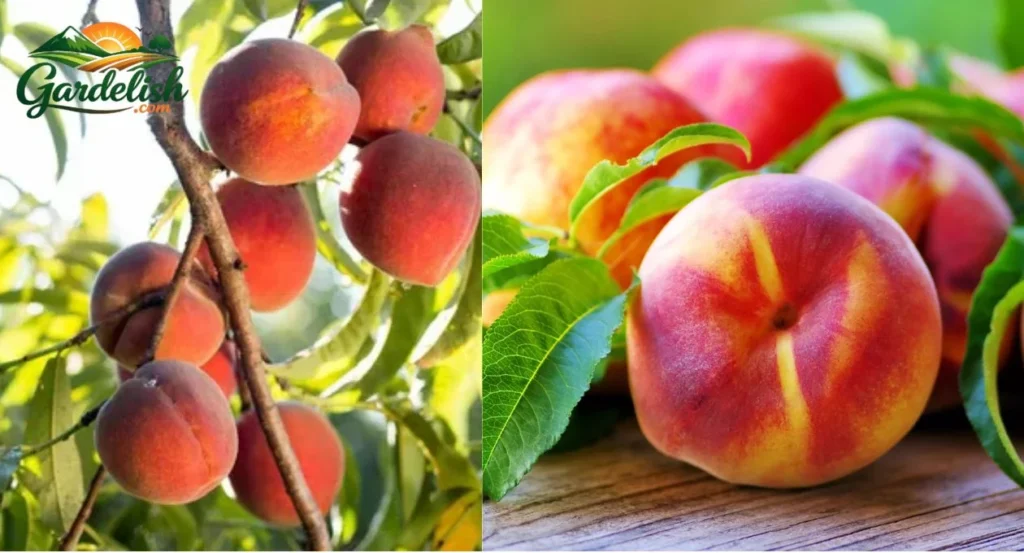
Georgia’s peach crop is still here, but it is more weather-dependent than many shoppers realize. In 2026, growers have reported a shorter crop in some parts of the state after late frost damage, even though peaches are still expected through the summer. That matters for anyone looking for fresh Georgia peaches at farm stands, but it also matters for home gardeners trying to understand why a peach tree can bloom beautifully and still carry little fruit. The Georgia peach crop is usually decided months before harvest, during winter chill, spring bloom, frost nights, pollination weather, and early disease pressure.
Quick Answer: The Georgia peach crop is smaller when warm winters, late frosts, or spring diseases hit at the wrong time
The Georgia peach crop depends on enough winter chill, safe bloom weather, good pollination, and steady fruit development. A warm spell can push trees into bloom early, and a later freeze can damage flowers or young fruit. In 2026, frost damage and weather swings have shortened availability in some Georgia orchards, but peaches are still expected. For home gardeners, the best protection is choosing the right chill-hour variety, pruning correctly, thinning fruit, watching frost forecasts, and managing fungal and bacterial diseases early.
Georgia peach crop is smaller this year, but it has not disappeared
The most important thing to know is that a “short crop” does not mean every orchard failed. Peach damage is patchy. One block may lose fruit because it sat in a cold pocket, while another block on a slope may keep enough fruit to pick. That is why shoppers may still find Georgia peaches, but not every farm stand will have the same volume every day.
Georgia’s commercial peach season typically runs from early May into mid-August, with different cultivars ripening in waves rather than all at once. UGA Extension notes that Georgia’s peach production season spans early May to mid-August, and home-garden cultivars may ripen from early May into late August or early September depending on variety and location.
For perspective, USDA NASS listed Georgia peach production at 35,800 tons in 2024 and 35,700 tons in 2025; final 2026 production data was not yet available as of June 30, 2026.
Weather swings decide the Georgia peach crop before most people think about peaches
A peach crop is made in stages. Gardeners usually notice the tree in spring, when pink bloom opens, but the crop story starts in winter. Peach trees need enough cool weather to break dormancy properly. UGA Extension defines a chill hour as time between 32°F and 45°F and recommends matching varieties to local chill-hour conditions.
Once chill is satisfied, warm weather pushes buds toward bloom. That is where Georgia’s climate can be tricky. A mild February can wake trees up, then a March freeze can damage open flowers or pea-sized fruit. In March 2026, UGA’s Climate and Agriculture blog warned that peaches were blooming into northeast Georgia and that freezing conditions could damage the crop, especially where temperatures stayed below freezing for several hours.
In the orchard, this often shows up as “pretty trees, empty branches.” The leaves look healthy, the tree wakes up, but the fruitlets are missing, shriveled, or dropping. Beginners often blame fertilizer at that point. Most of the time, the problem happened earlier at bloom.
Chill hours explain why peach trees can bloom poorly or crop unevenly
Peaches are not like figs or muscadines that can shrug off a lot of winter weirdness. They need a certain amount of winter chilling, and different varieties need different amounts. UGA peach data shows many cultivars in the 750–1,100 chill-hour range, with ripening dates spread from early summer into late summer.
If a variety needs more chill than your yard receives, you may see delayed leafing, weak bloom, scattered flowers, or poor fruit set. If a low-chill variety wakes too early in a frost-prone area, it may bloom beautifully and then lose the crop in one cold night.
For home gardeners in Georgia, the sweet spot is not simply “plant a Georgia peach.” It is “plant a peach variety matched to your county, elevation, and frost pattern.” Low areas, creek bottoms, and open lawns that collect cold air are riskier than gentle slopes with good air drainage.
Late frost damage is the most common reason a peach tree has leaves but no peaches
A late frost can damage peach flowers at several stages. Tight dormant buds tolerate more cold than open blooms. Once petals open and tiny fruit begins forming, the crop becomes much more vulnerable.
Peach crop troubleshooting table
| What you notice | Likely cause | What to do now | Prevention next season |
| Lots of bloom, then no fruit | Frost during bloom | Scratch small twigs to confirm tree is alive; resume normal care | Plant later-blooming varieties and avoid low frost pockets |
| Tiny fruit turns brown and drops | Freeze injury or poor pollination | Remove damaged fruit and reduce stress | Protect small trees during frost and encourage pollinators |
| Leaves healthy, crop light | Normal alternate stress, poor thinning, frost, or chill mismatch | Keep tree watered and disease-free | Thin fruit, prune annually, match chill hours |
| Fruit spots, cracking, leaf spotting | Bacterial spot or fungal disease | Remove badly affected fruit; avoid overhead irrigation | Choose tolerant cultivars and follow local spray guidance |
| Fruit rots near harvest | Brown rot in humid weather | Pick promptly and discard rotted fruit | Improve airflow, prune open-center, sanitation |
Home gardeners can protect a backyard peach crop with timing, pruning, and prevention
Commercial growers use tools such as wind machines, irrigation, and carefully timed spray programs. Home gardeners have fewer options, but they are not helpless. Small trees are much easier to protect than mature trees, and prevention almost always works better than rescue.
What to do before a frost
- Water the root zone the day before a predicted freeze. Moist soil holds heat better than dry soil.
- Cover small trees before sunset. Use frost cloth, sheets, or lightweight row cover, keeping fabric off delicate blooms if possible.
- Trap ground heat. Let the cover reach the ground rather than wrapping only the branches.
- Remove covers the next morning. Once temperatures rise, uncover the tree so blooms can dry and pollinators can work.
- Do not prune heavily right before a freeze. Fresh pruning can stimulate tender growth and remove flower buds you may still need.
This will not save every crop in a hard freeze, but it can make the difference during a light radiation frost.
Disease and pest pressure can reduce the crop after fruit set
A Georgia peach crop does not only fight frost. Warm, humid weather favors disease, and insect pests can damage fruit before it sizes up. In June 2026, the UGA Peach Blog reported a sudden surge of bacterial spot on peach leaves and fruit in Fort Valley, especially in an untreated block.
Home gardeners commonly run into brown rot, bacterial spot, peach leaf curl, plum curculio, San Jose scale, and peach tree borer. The mistake I see most often is waiting until fruit is already spotted, oozing, or rotting. By then, you are cleaning up damage, not preventing it.
Good prevention starts with an open-center prune, full sun, mulch kept away from the trunk, fallen-fruit cleanup, and local Extension-based spray timing where disease pressure is high. UGA’s 2026 peach updates also flagged San Jose scale management as a regular in-season concern, especially as warm weather speeds insect development.
Georgia peach harvest timing depends on variety, not just the calendar
Peaches ripen by cultivar. Early varieties may start in May, while later cultivars can stretch the season well into August or even September in some home-garden settings. UGA Extension notes that maturity varies by cultivar and that peaches often require multiple pickings because fruit does not ripen all at once.
| Season stage | What is happening | Gardener or shopper tip |
| Winter | Trees collect chill hours | Choose varieties suited to your local chill range |
| Bloom | Flowers open and pollination begins | Watch frost forecasts closely |
| Fruit set | Tiny peaches form and begin dropping naturally | Thin heavy clusters to one fruit every 6–8 inches |
| Early summer | Fruit sizes up | Water during dry spells and monitor pests |
| Harvest | Cultivars ripen in waves | Buy often, handle gently, and avoid green fruit |
| After harvest | Tree rebuilds energy | Keep leaves healthy until fall |
Shoppers should buy Georgia peaches early, often, and close to the grower when supplies are tight
In a shorter crop year, the best peaches may not sit around. Farm stands, U-pick orchards, and local markets can sell out earlier in the day, especially on weekends. A ripe peach should smell fragrant and have a creamy yellow or golden background color, not a green cast. Red blush is pretty, but it is not the best ripeness test.
Handle peaches like eggs. I have seen more good peaches ruined in the kitchen than in the orchard: stacked too deep in a bowl, chilled before ripe, or squeezed every time someone walks by. Let firm, mature peaches finish ripening at room temperature, then refrigerate briefly once ripe if you cannot eat them right away.
FAQs About the Georgia Peach Crop
Why is the Georgia peach crop smaller in some years?
The Georgia peach crop is usually smaller when warm winter weather, poor chill accumulation, late spring freezes, or disease pressure affects bloom and fruit set. Peaches are especially vulnerable when trees wake early and then face freezing temperatures during bloom or early fruit development. A single cold event can cause scattered losses or heavy damage depending on orchard location.
Are Georgia peaches available in 2026?
Yes, Georgia peaches are still available in 2026, but some growers are expecting a shorter crop because of frost damage and weather swings. Availability can vary sharply by farm, county, and variety. Shoppers should check local orchards before visiting, especially for U-pick dates, weekend supply, and late-season varieties.
When is Georgia peach season?
Georgia peach season usually begins in early May and runs into mid-August for commercial production. Some home-garden cultivars may ripen later, depending on the variety and local climate. Because peaches ripen in cultivar waves, the best buying window changes from week to week rather than following one fixed harvest date.
Why did my peach tree bloom but not produce fruit?
A peach tree that blooms but does not produce fruit often suffered frost injury during bloom, poor pollination, insufficient chill, or stress during fruit set. Look for dried flowers, tiny shriveled fruit, or a heavy early fruit drop. Healthy leaves do not guarantee a crop because fruit buds may have been damaged weeks earlier.
What chill hours do Georgia peach trees need?
Chill-hour needs vary by peach cultivar. Many Georgia and Southeast peach varieties fall somewhere around 750–1,100 chill hours, though some need less or more. UGA Extension recommends checking local chill-hour history and choosing cultivars suited to your area rather than buying by name alone.
What is the biggest mistake home gardeners make with peach trees?
The biggest mistake is planting the wrong variety in the wrong site. A peach tree needs full sun, well-drained soil, good air movement, proper chill-hour matching, annual pruning, and regular pest and disease prevention. Planting in a low frost pocket or choosing a poorly adapted variety often causes years of weak crops.
How can I prevent brown rot and bacterial spot on peaches?
Start with airflow and sanitation. Prune peach trees to an open center, remove mummified fruit, pick up fallen fruit, avoid overhead watering, and choose disease-tolerant cultivars when possible. In humid Georgia conditions, many gardeners also need a prevention-based spray schedule guided by local Extension recommendations, especially before symptoms become severe.
Conclusion
The Georgia peach crop is a lesson in timing. A tree can have enough winter chill, bloom beautifully, and still lose fruit if frost, rain, poor pollination, or disease arrives at the wrong moment. For shoppers, a shorter crop means checking farm availability early and buying peaches when local growers have them. For home gardeners, the best results come from choosing the right chill-hour variety, planting in a site with good air drainage, pruning for sunlight, thinning fruit, and preventing disease before it shows. Georgia can still grow exceptional peaches, but the most successful growers—commercial or backyard—treat every season as a weather-aware, hands-on crop.
California Cherry Harvest: When Cherries Ripen, How to Pick Them, and Why the Season Is So Short