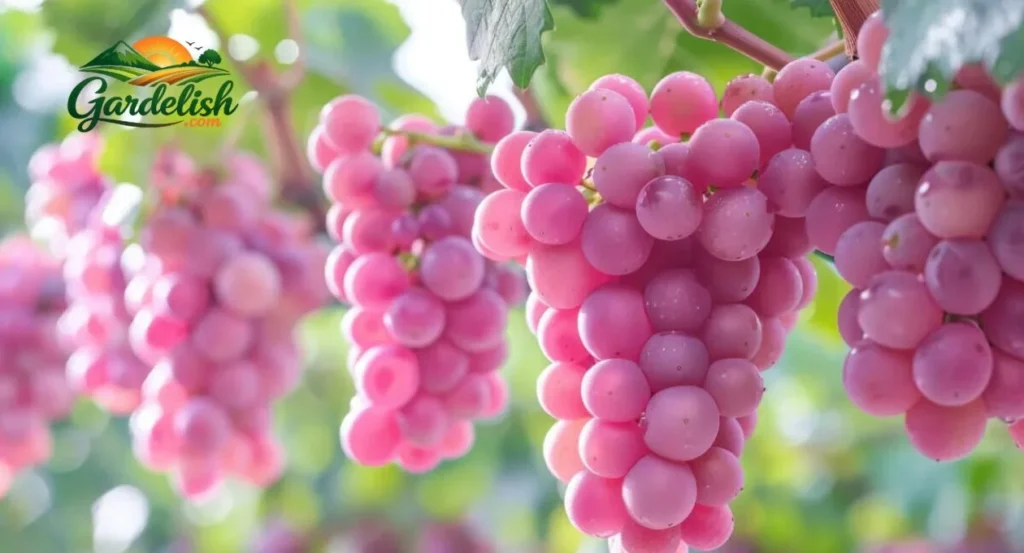
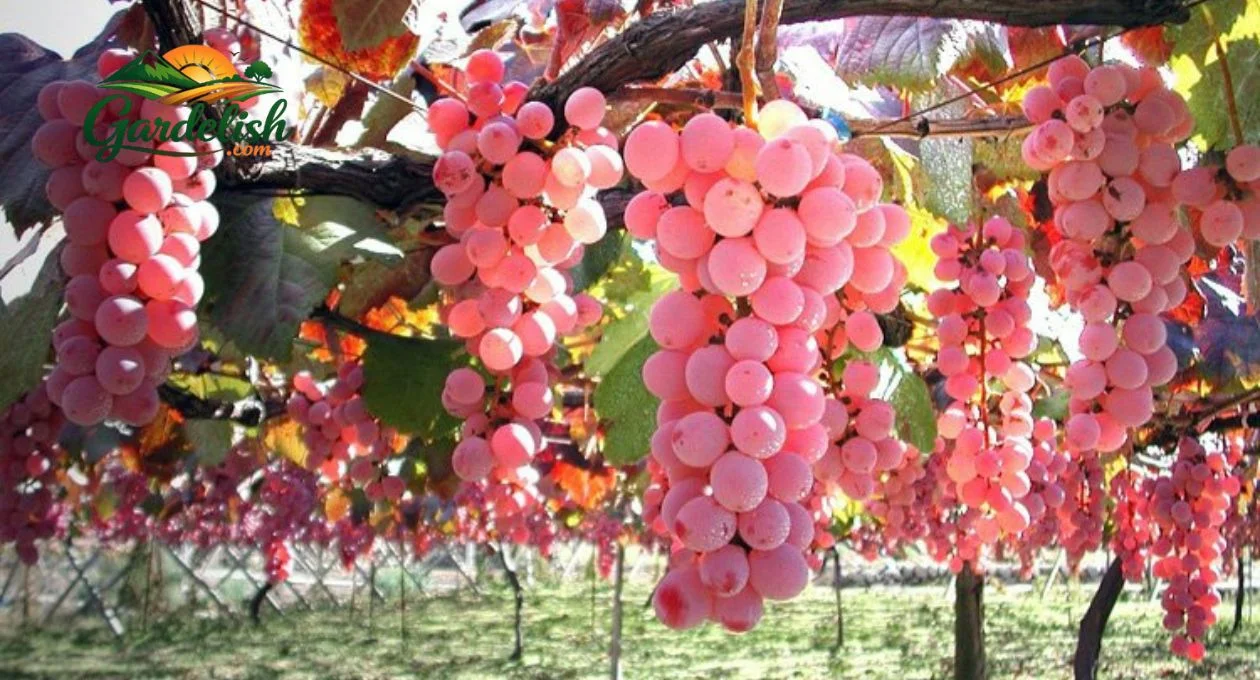
Japanese Koshu Pink Grapes are a distinctive Japanese grape variety known for their soft pink to light reddish-purple skin, delicate flavor, and long connection with Japanese winemaking. Although Koshu is often used to produce fresh white wine, the grape itself has a beautiful dusky-pink appearance that makes it interesting for gardeners, fruit collectors, and anyone who enjoys unusual grape varieties.
For home gardeners, the most important thing to understand is that Koshu is not just a decorative vine. It needs the same serious care as other grapevines: full sun, well-drained soil, a strong trellis or pergola, regular pruning, and good airflow around the canopy. When grown in the right climate and managed carefully, Japanese Koshu Pink Grapes can become both an ornamental feature and a productive fruiting vine.
This guide explains what Koshu grapes are, how they taste, where they grow best, how to care for them, and whether they are a good choice for your garden.
What Are Japanese Koshu Pink Grapes?
Japanese Koshu Pink Grapes, more commonly known as Koshu grapes, are a historic grape variety strongly associated with Japan’s Yamanashi region. They are recognized for their pale pink, copper-pink, or light reddish-purple skin and their clean, gentle flavor.
Even though the berries have colored skin, Koshu is widely known as a white wine grape. This can feel confusing at first, but grape skin color does not always mean the final wine will be red or pink. Koshu grapes are usually made into light, fresh white wines because their juice and winemaking style produce a pale, elegant result.
In the garden, Koshu grows as a woody perennial vine. It climbs and spreads using tendrils, so it needs a support system from the beginning. A healthy vine can become vigorous over time, especially in warm growing conditions, so it should not be treated like a small shrub or casual patio plant.
Koshu is best appreciated as a specialty grape. It is not usually grown for oversized, supermarket-style clusters. Its value comes from its heritage, attractive pink skin, refined flavor, and use in Japanese wine culture.
Origin, History, and Why Koshu Is Special
Koshu has a long history in Japanese grape growing. It is closely linked with Yamanashi, one of Japan’s most important fruit and wine-producing regions. The name “Koshu” itself comes from an old name for the Yamanashi area, which shows how deeply this grape is tied to place and tradition.
What makes Koshu special is not only its appearance, but also its ability to suit Japanese growing conditions. Japan’s grape-growing climate can be humid, especially during summer, and humidity often increases disease pressure on grapevines. Koshu’s relatively thick skin has helped it remain an important variety in that environment.
This is one reason gardeners find it interesting. It carries the story of adaptation: a grape that has been shaped by climate, farming practice, and local culture over many generations.
For modern gardeners, Koshu offers something different from common backyard grapes such as Concord, Flame Seedless, or Thompson Seedless. It feels more like a heritage fruit crop than a standard table grape. If you enjoy growing plants with a story behind them, Koshu has real appeal.
What Do Japanese Koshu Pink Grapes Taste Like?
Japanese Koshu Pink Grapes have a mild, clean, and refreshing taste. They are not usually known for intense candy-like sweetness. Instead, their flavor is more delicate, with gentle sweetness, light acidity, and a fresh finish.
Some people describe Koshu as subtle or refined rather than bold. That is important because expectations matter. If you want a very sweet, seedless snack grape, Koshu may not feel dramatic enough. But if you enjoy balanced fruit with a lighter flavor, it can be very pleasant.
The taste can vary depending on climate, harvest timing, soil, sunlight, and vine health. Grapes picked too early may taste sharp or sour. Grapes left to ripen properly on the vine develop better sugar balance and a more rounded flavor.
Koshu grapes can be used for:
Fresh eating
Light desserts
Fruit platters
Juice
Preserves or jelly
Small-batch winemaking where legally allowed
Decorative edible landscaping
Because the flavor is gentle, Koshu works well with simple foods. It suits fresh cheeses, mild salads, seafood-style dishes, rice-based meals, and light desserts better than very heavy or spicy foods.
Best Growing Conditions for Japanese Koshu Pink Grapes
Japanese Koshu Pink Grapes grow best outdoors in a warm, sunny, open location. Like most grapevines, they need heat and sunlight to ripen their fruit properly. A shaded vine may grow leaves, but the grapes often stay sour, ripen unevenly, or produce weak clusters.
Choose a site with:
Full sun for most of the day
Good air circulation
Well-drained soil
Room for a trellis or pergola
Protection from standing water
Easy access for pruning and harvesting
A south-facing or southwest-facing position can be useful in cooler gardens because it collects more warmth. In very hot regions, young vines may need careful watering during establishment, especially if planted near walls, paving, or reflective surfaces.
Koshu is best suited to mild or warm temperate growing conditions. In very cold climates, it may struggle unless planted in a protected microclimate. In very wet or humid areas, disease prevention becomes more important. Good pruning and airflow are essential because grape leaves and fruit should not remain damp for long periods.
This grape is usually a better outdoor garden plant than an indoor plant. Indoor conditions rarely provide enough sunlight, airflow, root space, or seasonal dormancy for a grapevine to perform well.
Soil Preparation and Planting Tips
Japanese Koshu Pink Grapes need soil that drains well. This is one of the most important requirements. Grapevines do not like sitting in soggy, compacted soil, especially during cool weather.
The ideal soil is moderately fertile, loose, and well-drained. Sandy loam, gravelly loam, or improved garden soil can work well. Heavy clay can be improved, but it should not remain waterlogged after rain. If your garden soil holds too much moisture, consider planting the vine on a raised mound, berm, or raised bed.
Before planting, mix mature compost into the planting area. Compost improves soil structure and helps the root zone hold moisture without becoming heavy and airless. Avoid using too much fresh manure or high-nitrogen fertilizer, as this can push leafy growth at the expense of fruit.
A practical planting method:
Dig a wide hole so the roots can spread comfortably.
Loosen the surrounding soil rather than only the planting hole.
Plant the vine at the same depth it grew in its nursery pot.
Water deeply after planting.
Add a light organic mulch around the root zone.
Keep mulch away from the trunk to prevent rot.
Install the trellis or support system immediately.
Do not wait until the vine becomes large before adding support. Grapevines grow quickly once established, and tangled vines are much harder to train later.
Natural internal link opportunities here include guides on soil improvement, composting, raised beds, and preparing garden soil for fruit plants.
Trellis, Training, and Pruning
A grapevine without training quickly becomes messy. Japanese Koshu Pink Grapes need a strong structure to keep the vine open, healthy, and easy to harvest.
Traditional Koshu growing often uses an overhead pergola-style system. This spreads the canopy and allows clusters to hang beneath the leaves. In a home garden, you can use a pergola, arbor, fence trellis, or wire trellis, as long as it is strong enough to support a mature vine.
Good support options include:
A sturdy arbor
A pergola
A two-wire grape trellis
A fence-style support
A cordon-trained wire system
Pruning is where many beginners feel nervous, but it is one of the most important parts of grape growing. Grapes produce fruit on new shoots that grow from mature wood. If you never prune, the vine may become leafy and attractive, but fruit quality usually declines.
The goal of pruning is balance. You want enough leaves to feed the fruit, but not so much growth that the canopy becomes dark, crowded, and damp. A crowded grapevine is more likely to suffer from mildew, rot, poor ripening, and small, shaded clusters.
Late winter or early spring pruning is usually the main pruning job, before strong new growth begins. During the growing season, you can also guide shoots, remove overcrowded growth, and keep the fruiting area open.
Good pruning helps with:
Better sunlight exposure
Improved airflow
Healthier fruit clusters
Easier harvesting
Lower disease pressure
Stronger long-term vine structure
For beginners, the first two years should focus more on building a strong vine shape than expecting a heavy harvest.
Watering, Feeding, and Mulching
Young Koshu vines need regular watering while their roots establish. During the first growing season, deep watering is especially important because the root system is still small.
Once established, grapevines are usually more drought-tolerant than many garden fruits, but they still need moisture during dry periods. Drought stress can reduce fruit size, weaken growth, and affect ripening.
Water at soil level whenever possible. Drip irrigation, a soaker hose, or slow hand watering is better than overhead sprinkling. Wet leaves, especially in the evening, can encourage fungal problems in humid climates.
Feeding should be moderate. Too much nitrogen often creates a lush green vine with fewer grapes. A light spring application of compost or a balanced organic fertilizer is usually enough for many home gardens.
Mulch can help conserve moisture and reduce weed competition, but it should be used carefully. Keep mulch a few inches away from the trunk. A constantly damp trunk area can invite rot, pests, or disease problems.
Good mulch options include:
Shredded leaves
Composted bark
Clean straw
A thin layer of mature compost
Avoid piling mulch too thickly. Grapes generally prefer warm, well-aerated soil, so the aim is moisture balance, not a heavy blanket that keeps the soil cold and wet.
Common Problems, Pests, and Disease Prevention
The most common problems with Japanese Koshu Pink Grapes are similar to problems seen in many grapevines: mildew, fruit rot, birds, insects, weak ripening, and poor pruning.
Powdery mildew may appear as a pale, dusty coating on leaves or fruit. Downy mildew is more common in damp conditions and can cause leaf spots or damaged foliage. Bunch rot may affect clusters when the canopy is too dense or the weather stays wet.
The best prevention starts with good garden practice:
Plant in full sun.
Leave enough space around the vine.
Prune every year.
Keep the canopy open.
Water at soil level.
Remove fallen leaves and old fruit.
Avoid excessive nitrogen.
Birds can also become a serious problem when grapes begin to ripen. Netting is often the most reliable protection for a home garden. In small gardens, some growers protect individual clusters with breathable bags or covers, especially when growing specialty grapes.
Common troubleshooting signs:
Lots of leaves but little fruit may mean too much nitrogen or poor pruning.
Sour grapes may mean early picking, too much shade, or a short growing season.
Rotting clusters often point to poor airflow, humidity, or overcrowding.
Small fruit can result from vine stress, poor pollination, or overcropping.
Missing fruit near harvest is often caused by birds, wasps, or animals.
A healthy grapevine is built over time. Do not judge the plant only by its first season. The early years are about root growth, structure, training, and learning how the vine behaves in your garden.
Harvesting and Using Koshu Grapes in the Garden
Japanese Koshu Pink Grapes should be harvested when the fruit tastes ripe, not just when it looks colorful. Pink skin can appear before the flavor is fully developed, so tasting is the best harvest test.
Sample berries from different parts of the cluster. Ripe grapes should have a pleasant balance of sweetness and acidity. If they taste too sharp, give the vine more time if the weather allows.
Unlike some fruits, grapes do not improve much after picking. They should ripen on the vine. This makes harvest timing important.
After harvesting, handle the clusters gently. Koshu grapes have visual appeal, and bruising can reduce their quality. Store them cool and use them fresh when possible.
Garden uses include:
Fresh eating from the vine
Serving on fruit boards
Making grape juice
Preparing jelly or preserves
Using in light desserts
Pairing with mild savory foods
Growing over a pergola for edible shade
A mature Koshu vine can become a beautiful part of an edible landscape. The clusters, leaves, and climbing habit all add seasonal interest.
Japanese Koshu Pink Grapes vs Regular Table Grapes
Japanese Koshu Pink Grapes are different from regular table grapes in several important ways. Most modern table grapes are bred for large berry size, strong sweetness, crisp texture, and often seedless eating. Koshu is valued more for its heritage, delicate flavor, pink skin, and wine-grape character.
Regular table grapes are usually the better choice if your main goal is easy snacking. They often have a sweeter, more familiar taste and may be easier to find at nurseries.
Koshu is a better choice if you want:
A rare or unusual grape variety
A grape linked to Japanese horticulture
A pink-skinned fruiting vine
A grape with winemaking history
A specialty plant for an edible landscape
A more refined, less sugary flavor profile
In simple terms, table grapes are usually grown for convenience and sweetness. Koshu is grown for character, history, subtle flavor, and visual appeal.
This difference is important for ranking and reader satisfaction because many people searching for Japanese Koshu Pink Grapes may not only want to know what they are; they may also want to know whether they are worth growing or buying compared with ordinary grapes.
Are Japanese Koshu Pink Grapes Good for Beginners?
Japanese Koshu Pink Grapes can be grown by committed beginners, but they are not the easiest grape for everyone. They are best for gardeners who are willing to learn pruning, build a support system, and manage disease prevention.
A beginner can succeed with Koshu if the site is sunny, the soil drains well, and the vine is trained properly from the start. The main mistake is planting a grapevine and then treating it like a low-maintenance shrub. Grapes need annual attention.
If you are new to grapes, start with one vine. Give it space, install a strong trellis, and focus on healthy structure before expecting large harvests. Once you understand pruning and seasonal care, grape growing becomes much less intimidating.
Koshu may not be the best first grape for very cold climates or gardens with heavy, wet soil. In those cases, a locally adapted grape variety may be more reliable.
Conclusion: Should You Grow Japanese Koshu Pink Grapes?
Japanese Koshu Pink Grapes are a beautiful and meaningful choice for gardeners who enjoy rare fruit, heritage plants, and edible landscaping. Their pink skin, gentle flavor, and connection to Japanese wine culture make them much more interesting than an ordinary backyard grapevine.
They need full sun, well-drained soil, strong support, regular pruning, and good airflow. They also need patience. The first seasons are about training the vine and building plant health, while better harvests come as the vine matures.
If you want a highly sweet, seedless table grape, Koshu may not be your best option. But if you want a specialty grape with history, ornamental value, and a refined taste, Japanese Koshu Pink Grapes are worth considering for the right garden.
5 SEO-Friendly FAQs
1. What are Japanese Koshu Pink Grapes?
Japanese Koshu Pink Grapes are a historic Japanese grape variety known for pink to light reddish-purple skin, delicate flavor, and use in Japanese white wine. They are strongly associated with Yamanashi, Japan.
2. Can Japanese Koshu Pink Grapes grow in a home garden?
Yes, they can grow in a home garden if they receive full sun, well-drained soil, strong support, and regular pruning. They are best suited to outdoor gardens with a warm growing season.
3. What do Japanese Koshu Pink Grapes taste like?
Koshu grapes usually taste mild, clean, and refreshing. They have gentle sweetness with light acidity rather than the very strong sweetness found in many modern table grapes.
4. Are Japanese Koshu Pink Grapes used for wine?
Yes, Koshu grapes are widely known for producing fresh, light Japanese white wine. They can also be eaten fresh or used for juice, preserves, and edible garden harvests.
5. Are Japanese Koshu Pink Grapes easy to grow?
They are moderately challenging. Beginners can grow them, but they need proper pruning, good airflow, disease prevention, and a strong trellis or pergola.
Short SEO-Frienndly Conclusion
Japanese Koshu Pink Grapes are a rare pink-skinned grape variety with strong garden appeal, delicate flavor, and deep Japanese heritage. With full sun, well-drained soil, proper pruning, and good airflow, they can become a beautiful and productive vine for gardeners who enjoy specialty fruit.
Ginger Shortage: Why It Happens and How Gardeners Can Grow Their Own