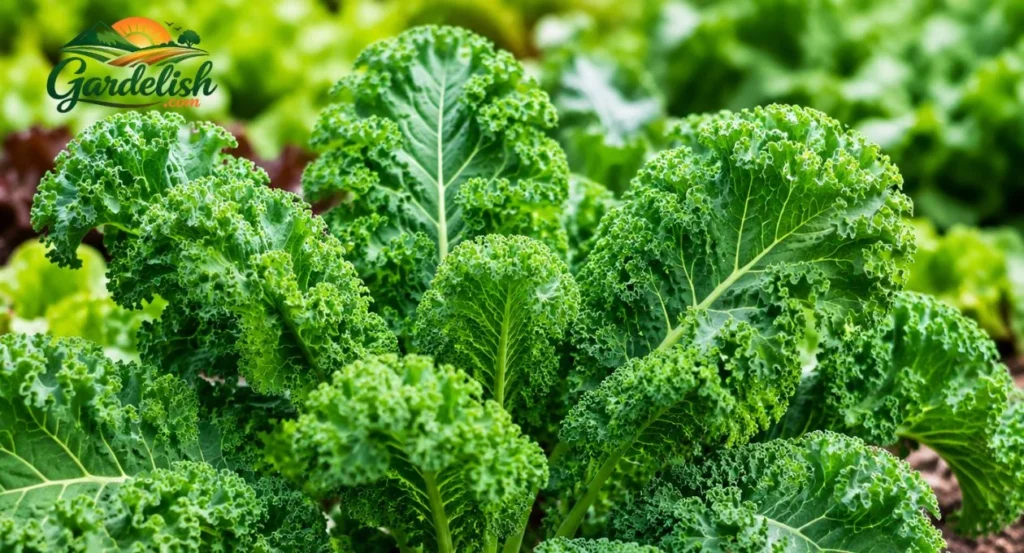
A kale shortage usually happens when weather stress, rising growing costs, transport delays, or seasonal crop gaps reduce the amount of fresh kale reaching stores. For home gardeners, the good news is simple: kale is one of the easiest leafy greens to grow, and even a small raised bed, container, or fall garden can help you avoid relying completely on supermarket supply.
Kale, known botanically as Brassica oleracea var. acephala, is a cool-season crop related to cabbage, broccoli, Brussels sprouts, and collard greens. It grows best in mild weather, produces sweeter leaves after light frost, and struggles when heat, drought, pests, or poor soil push the plant out of its comfort zone.
So when people search for “Kale Shortage,” they are usually asking two things: why kale is becoming harder or more expensive to buy, and what they can do about it. This guide explains both from a practical gardening perspective.
What Is Causing the Kale Shortage?
A kale shortage is rarely caused by one single issue. It is usually the result of several pressures happening at the same time.
Kale grows best in cool, steady conditions. When farms face sudden heat, late frost, heavy rain, drought, or disease pressure, leaf quality can drop quickly. Even if the plants survive, the crop may become too small, too tough, too damaged, or too inconsistent for grocery shelves.
Other common causes include:
- Unstable spring and fall weather
- Higher fuel and transport costs
- Labor shortages during planting or harvest
- Pest pressure from aphids, flea beetles, cabbage worms, and whiteflies
- Soil-borne diseases such as clubroot
- Supply chain delays between farms, distributors, and stores
- Strong consumer demand for leafy greens and “superfood” vegetables
Unlike storage crops such as potatoes, onions, or winter squash, fresh kale does not sit for months in a warehouse. It is harvested, cooled, shipped, displayed, and sold within a short window. Any delay in that chain can affect freshness and availability.
Why Kale Is Sensitive to Weather and Seasonal Stress
Kale is hardy, but it is not invincible. Gardeners often think of kale as a tough crop because it can tolerate light frost and sometimes survive winter with protection. That is true, but commercial production still depends on predictable growing windows.

Heat Stress
Kale prefers cool weather. In hot conditions, leaves may become tougher, stronger in flavor, or slower to regrow after harvest. Plants may also bolt, which means they shift energy into flowering instead of producing tender leaves.
Home gardeners often notice this in late spring or summer. A plant that looked beautiful in April can become tired, bitter, and pest-covered by July. On farms, the same stress can reduce harvest quality across large fields.
Drought and Irregular Watering
Kale needs steady moisture for tender leaf growth. Dry soil slows the plant, while sudden heavy watering after drought can create uneven growth. Sandy soil dries faster, while heavy clay soil may hold too much water around the roots.
Consistent watering matters more than heavy watering. In raised beds, containers, and market gardens, mulch can help keep the root zone cool and moist.
Frost and Cold Damage
Kale can handle cold better than many vegetables, but young seedlings and stressed plants are still vulnerable. A light frost can improve flavor, but repeated freeze-thaw cycles may damage leaves. In colder USDA hardiness zones, gardeners often use row covers, low tunnels, cold frames, or mulch around the base to extend the harvest.
How the Kale Shortage Affects Gardeners and Consumers
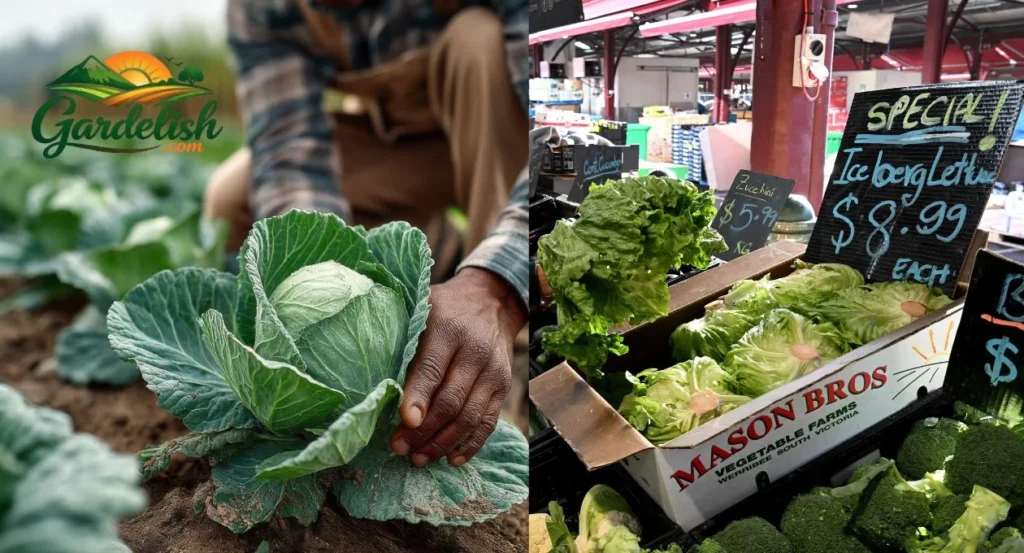
For consumers, a kale shortage usually means higher prices, smaller bunches, fewer organic options, or inconsistent quality. You may see more bagged kale instead of fresh bunches, or stores may replace kale displays with spinach, collards, mustard greens, Swiss chard, or cabbage.
For gardeners, the shortage is a reminder that leafy greens are worth growing at home. Kale does not require a large garden. A few plants can provide repeated harvests for soups, salads, stir-fries, smoothies, and side dishes.
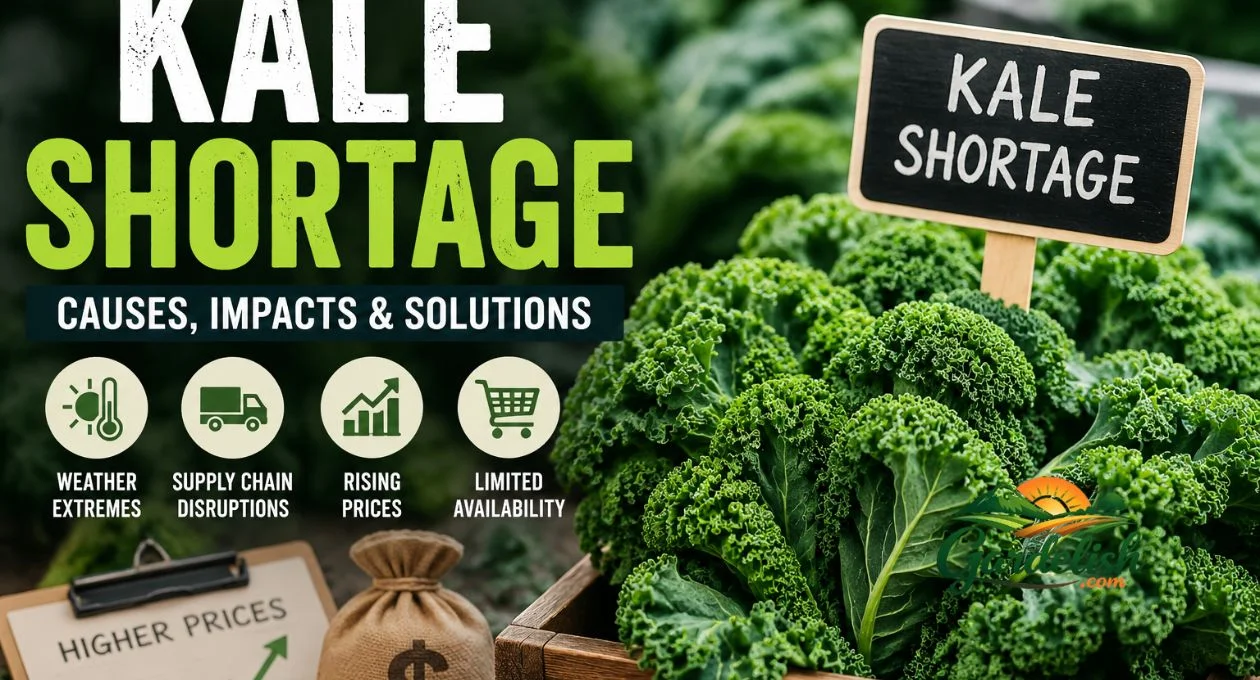
The biggest benefit of growing kale yourself is control. You choose the variety, soil quality, watering method, fertilizer, pest control approach, and harvest timing. You can pick younger leaves when they are tender instead of waiting for oversized bunches from the store.
Can You Avoid the Kale Shortage by Growing Kale at Home?
Yes, many gardeners can reduce their dependence on store-bought kale by growing their own. Kale is one of the best beginner-friendly vegetables because it tolerates cool weather, grows in beds or containers, and allows repeated harvesting from the same plant.
You do not need a farm-sized plot. A balcony container, a small raised bed, or a few plants tucked between herbs can produce a useful amount of leaves.
For reliable harvests, focus on three things:
- Plant during the right season.
- Keep the soil fertile and evenly moist.
- Protect the plants from common Brassica pests.
If you already grow lettuce or spinach, kale is a useful companion in your cool-season garden because it usually lasts longer and handles colder weather better.
Best Growing Conditions for a Reliable Kale Harvest
Kale grows best in full sun during cool months, but in warmer regions, afternoon shade can help prevent stress. In mild climates, it can be grown through fall, winter, and early spring.
Soil
Kale prefers fertile, well-drained soil with plenty of organic matter. Loamy soil is ideal, but raised beds can improve heavy clay or poor garden soil.
Before planting, mix in compost or well-rotted organic matter. This improves moisture retention, soil structure, and microbial activity. If your soil is weak, a balanced organic fertilizer can help young plants establish faster.
Good internal linking opportunity: link this section to a detailed article on soil improvement, composting, or raised bed soil mix.
Sunlight
Kale grows well with 6 or more hours of sun in cool weather. In hot climates, partial shade can reduce leaf toughness and help plants last longer.
For container gardening, place pots where plants receive morning sun and some afternoon protection during warm months.
Watering
Kale needs consistent moisture. Water deeply when the top inch of soil feels dry. Avoid letting the plant wilt repeatedly, because drought-stressed kale often becomes tougher and more attractive to pests.
Drip irrigation, soaker hoses, and mulch are useful for keeping moisture steady without wetting the leaves too often.
Mulching
A layer of straw, shredded leaves, grass clippings, or composted mulch helps control weeds, protect roots, and reduce water loss. Mulching is especially helpful in raised beds and warmer zones where soil dries quickly.
Best Kale Varieties to Grow During Supply Problems
Choosing the right variety can make a big difference. Some kale types are better for cold weather, while others are more tender for salads or more decorative in edible landscapes.
Curly Kale
Curly kale is the common grocery-store type. It has frilly leaves, a strong texture, and good cold tolerance. It works well for soups, chips, sautés, and freezing.
Lacinato Kale
Also called dinosaur kale or Tuscan kale, Lacinato has dark blue-green, narrow leaves with a bumpy texture. It is excellent for cooking and often has a slightly sweeter, deeper flavor.
Red Russian Kale
Red Russian kale has tender, flat leaves with purple stems. It is one of the better choices for salads and baby leaf harvests. It grows quickly and is often easier to chew raw than curly kale.
Siberian Kale
Siberian types are hardy and useful for colder gardens. They are a good choice for fall planting, winter harvests, and gardeners who want resilient greens.
Dwarf or Compact Kale
For containers, choose compact varieties. These are easier to manage on patios, balconies, and small raised beds.
Good internal linking opportunity: link this section to a seasonal planting guide or container vegetable gardening article.
When to Plant Kale for Fewer Gaps in Harvest
Timing is one of the best ways to avoid your own personal kale shortage.
In most gardens, kale performs best as a spring and fall crop. In cooler climates, it can continue into winter with protection. In hot regions, it is often better to grow kale in fall, winter, and early spring rather than forcing it through summer heat.
Spring Planting
Start seeds indoors several weeks before the last frost, or sow directly once the soil can be worked. Transplant seedlings when they are sturdy and the weather is cool.
Spring kale can provide early harvests, but it may decline when summer heat arrives.
Fall Planting
Fall is often the best season for kale. Seeds can be started in late summer and transplanted as temperatures begin to cool. Fall-grown kale usually has better flavor, fewer heat problems, and a longer harvest window.
Succession Planting
Instead of planting all kale at once, sow small batches every 2–3 weeks during the suitable season. This creates a steady supply of young leaves and reduces the risk of losing one entire planting to pests or weather.
Common Kale Problems During Shortage Seasons
When kale is under stress, pests and diseases often become more noticeable. A shortage year for farms can also be a challenging year for home gardeners if the weather is unusually hot, wet, or dry.
Aphids
Aphids gather on tender new growth and the undersides of leaves. They can cause curling, sticky residue, and weak growth. Spray them off with water, encourage ladybugs and lacewings, and remove heavily infested leaves.
Cabbage Worms
Green cabbage worms chew holes in kale leaves. Check the undersides of leaves regularly. Floating row covers are one of the best prevention methods, especially when used right after planting.
Flea Beetles
Flea beetles create tiny shot-hole damage, especially on young plants. Protect seedlings with row covers and keep plants growing strongly with consistent moisture.
Clubroot
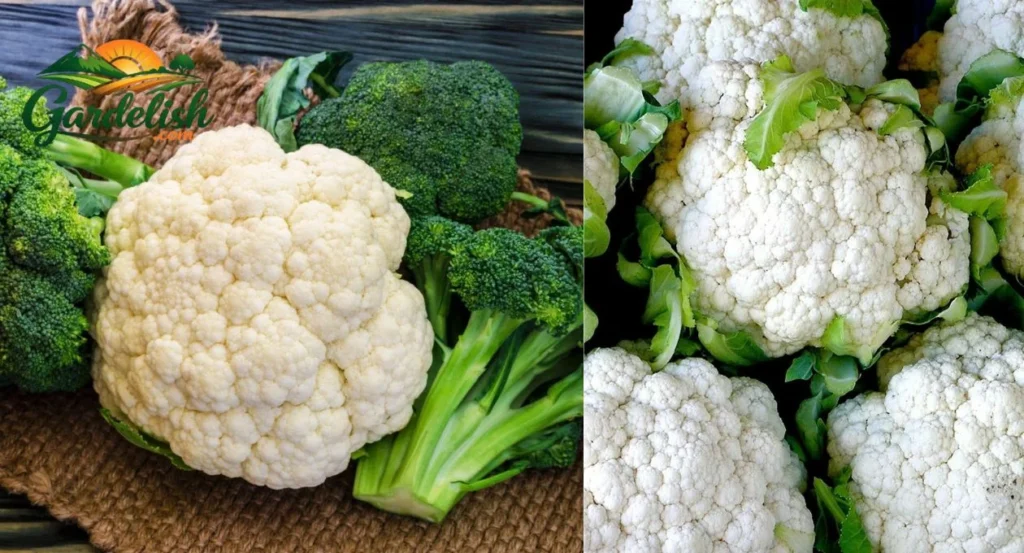
Clubroot is a soil-borne disease affecting Brassica crops. It causes swollen roots and weak, wilting plants. Crop rotation is important. Avoid planting kale, cabbage, broccoli, or cauliflower in the same bed year after year.
Powdery Mildew and Leaf Spots
Poor airflow, wet leaves, and overcrowding can encourage fungal issues. Space plants properly, water at soil level, and remove damaged foliage.
Good internal linking opportunity: link this section to organic pest control, companion planting, or vegetable disease prevention articles.
Practical Tips to Grow More Kale in Less Space
Kale is productive when harvested correctly. Instead of cutting the whole plant at once, remove outer leaves and leave the growing center intact. This “cut-and-come-again” method allows the plant to keep producing.
Use these practical tips:
- Space mature kale plants about 12–18 inches apart, depending on variety.
- Grow baby kale closer together if harvesting young leaves.
- Plant kale along the edge of raised beds for easy picking.
- Use deep containers with drainage holes.
- Feed lightly but consistently; too much nitrogen can attract pests.
- Harvest often to encourage new growth.
- Remove yellowing lower leaves to improve airflow.
- Use shade cloth during unexpected heat waves.
In containers, choose a pot at least 10–12 inches deep for one compact kale plant. Larger containers hold moisture better and reduce stress.
Best Alternatives When Fresh Kale Is Hard to Find
If grocery-store kale is expensive or unavailable, several leafy greens can fill the gap in the kitchen and garden.
Collard Greens
Collards are close relatives of kale and tolerate heat better in many regions. They are excellent for cooking and can produce large leaves over a long season.
Swiss Chard
Swiss chard is not a Brassica, but it is productive, colorful, and forgiving. It handles warmer weather better than kale and grows well in containers.
Spinach
Spinach is tender and quick-growing, but it bolts fast in heat. It is best for cool-season planting and baby leaf harvests.
Mustard Greens
Mustard greens grow quickly and have a peppery flavor. They are useful for gardeners who want fast greens while waiting for kale to mature.
Cabbage Leaves
Young outer cabbage leaves can be used in cooked dishes, especially when kale is unavailable.
A smart garden plan includes more than one leafy green. Diversity protects your harvest. If kale struggles, collards, chard, mustard, or spinach may still perform well.
Is the Kale Shortage Temporary or Long-Term?
Most kale shortages are temporary, but supply problems can return whenever weather, production costs, labor, or transport issues affect growers. Kale is seasonal by nature, so availability can change throughout the year.
For home gardeners, the best response is not panic. It is planning.
Grow kale during its strongest seasons, improve your soil, use mulch, plant a few different leafy greens, and protect young plants from pests. Even if stores have limited supply, your garden can still provide fresh leaves for much of the year.
A home garden will not replace the entire commercial food system, but it gives you more control. And with kale, even a small effort can produce a surprisingly steady harvest.
Conclusion: Kale Shortage and the Value of Growing Your Own Greens
The Kale Shortage is a reminder that fresh produce depends on weather, soil health, farming conditions, labor, transport, and seasonal timing. Kale may be hardy, but it still needs cool temperatures, steady moisture, fertile soil, and careful handling to reach stores in good condition.
For gardeners, this is an opportunity. Kale is practical, nutritious, beginner-friendly, and well suited to raised beds, containers, and cool-season gardens. By planting the right varieties, improving soil with compost, watering consistently, and using simple pest protection, you can grow your own reliable supply.
When fresh kale becomes harder to find, the best answer may be just outside your kitchen door..
FAQs
1. What is causing the Kale Shortage?
The Kale Shortage is usually caused by weather stress, seasonal crop gaps, higher farming costs, pest pressure, and supply chain delays. Kale is a fresh leafy green, so even small disruptions can affect store availability.
2. Can I grow kale at home during a shortage?
Yes. Kale is one of the easiest leafy greens to grow at home. It grows well in raised beds, containers, and cool-season gardens if it receives fertile soil, steady moisture, and basic pest protection.
3. What is the best season to plant kale?
Kale grows best in spring and fall. In hot climates, fall and winter planting often works better because kale prefers cool weather and can become tough or bitter in strong summer heat.
4. What can I use instead of kale?
Good kale alternatives include collard greens, Swiss chard, spinach, mustard greens, cabbage leaves, and bok choy. These greens can be used in soups, sautés, salads, and cooked dishes.
5. Why does kale taste better after frost?
Light frost can make kale taste sweeter because cool temperatures change how the plant stores sugars. This is why fall-grown kale often has better flavor than heat-stressed summer kale.
Short SEO-Friendly Conclusion
The Kale Shortage is driven by seasonal growing challenges, weather stress, farming costs, pests, and supply chain issues. For gardeners, the most practical solution is to grow kale at home during cool seasons, improve soil with compost, water consistently, and plant reliable alternatives like collards, spinach, Swiss chard, and mustard greens.
Japanese Koshu Pink Grapes: Growing, Taste, Care, and Garden Uses